
 EN
EN
 ar
ar bg
bg hr
hr cs
cs da
da nl
nl fi
fi fr
fr de
de el
el hi
hi it
it ko
ko no
no pl
pl pt
pt ro
ro ru
ru es
es sv
sv tl
tl iw
iw id
id lv
lv lt
lt sr
sr sk
sk sl
sl uk
uk vi
vi et
et hu
hu th
th tr
tr fa
fa ms
ms hy
hy ka
ka ur
ur bn
bn mn
mn ta
ta kk
kk uz
uz ku
ku
Automated Equipment Test Cable
Kingmach manufactures Automated Equipment Test Cable in Changsha, China, with ISO9001, ISO14001, and ISO45001 certification noted in the product information. For buyers, the cable package can be reviewed together with the sensors, acquisition modules, readouts, and monitoring platform rather than treated as an unrelated purchase. Business terms in the local product files include a minimum order quantity of one piece, negotiable pricing, T/T in advance, and shipment within 30 days after full payment receipt. Carton or wooden case packaging can be used, with customized packaging available for project needs.
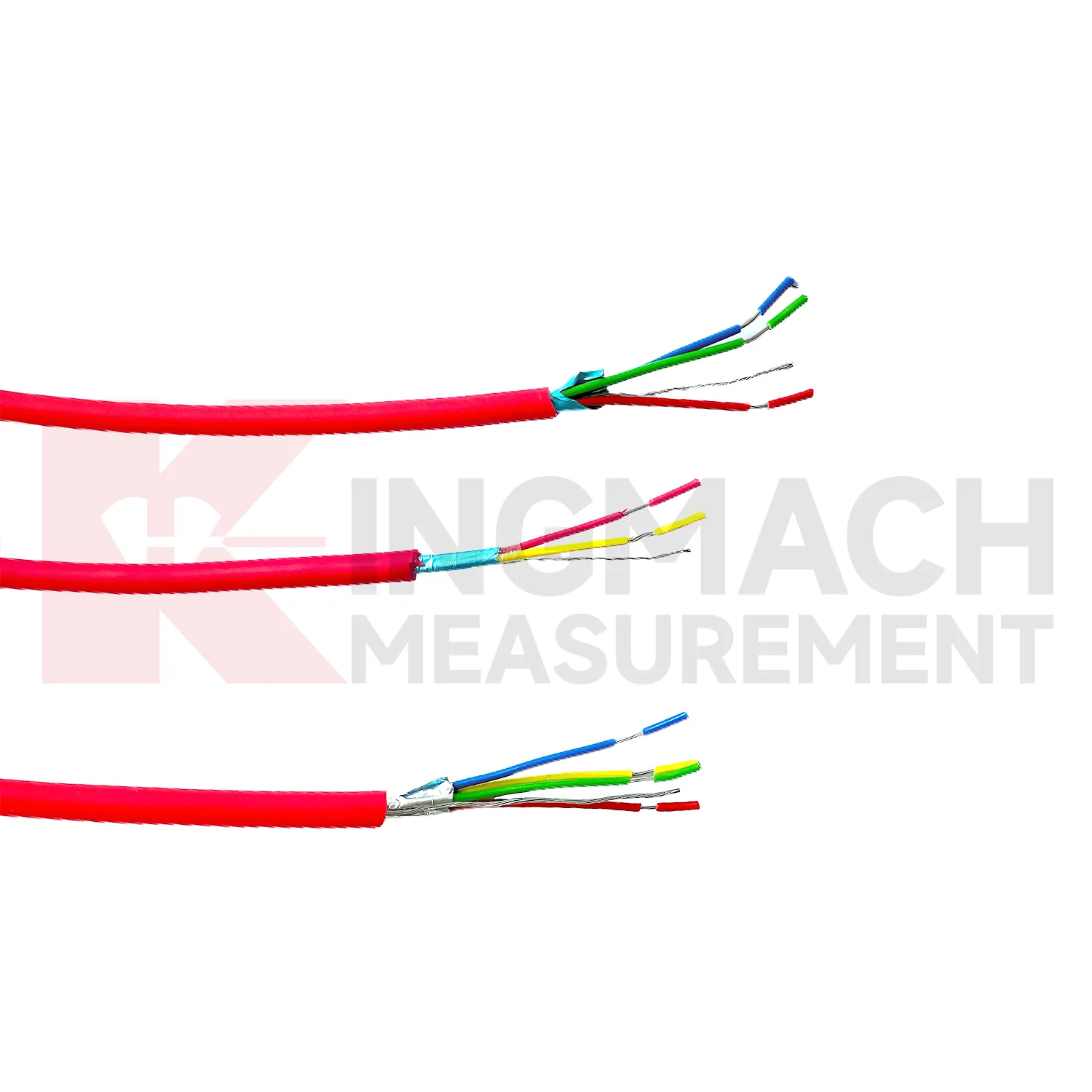
Application of Automated Equipment Test Cable
Monitoring system upgrades use Kingmach Automated Equipment Test Cable when old routes must be replaced, extended, or reorganized without losing traceability. A site may add new sensors, move cabinets, change data loggers, or repair damaged lines after years of service. Multi-core shielded and hydraulic cable options allow engineers to plan new routes around channel count, wet exposure, interference, and maintenance access. During upgrade work, recording old and new cable IDs, core assignments, and first stable readings prevents future reviewers from confusing a wiring change with a structural trend.
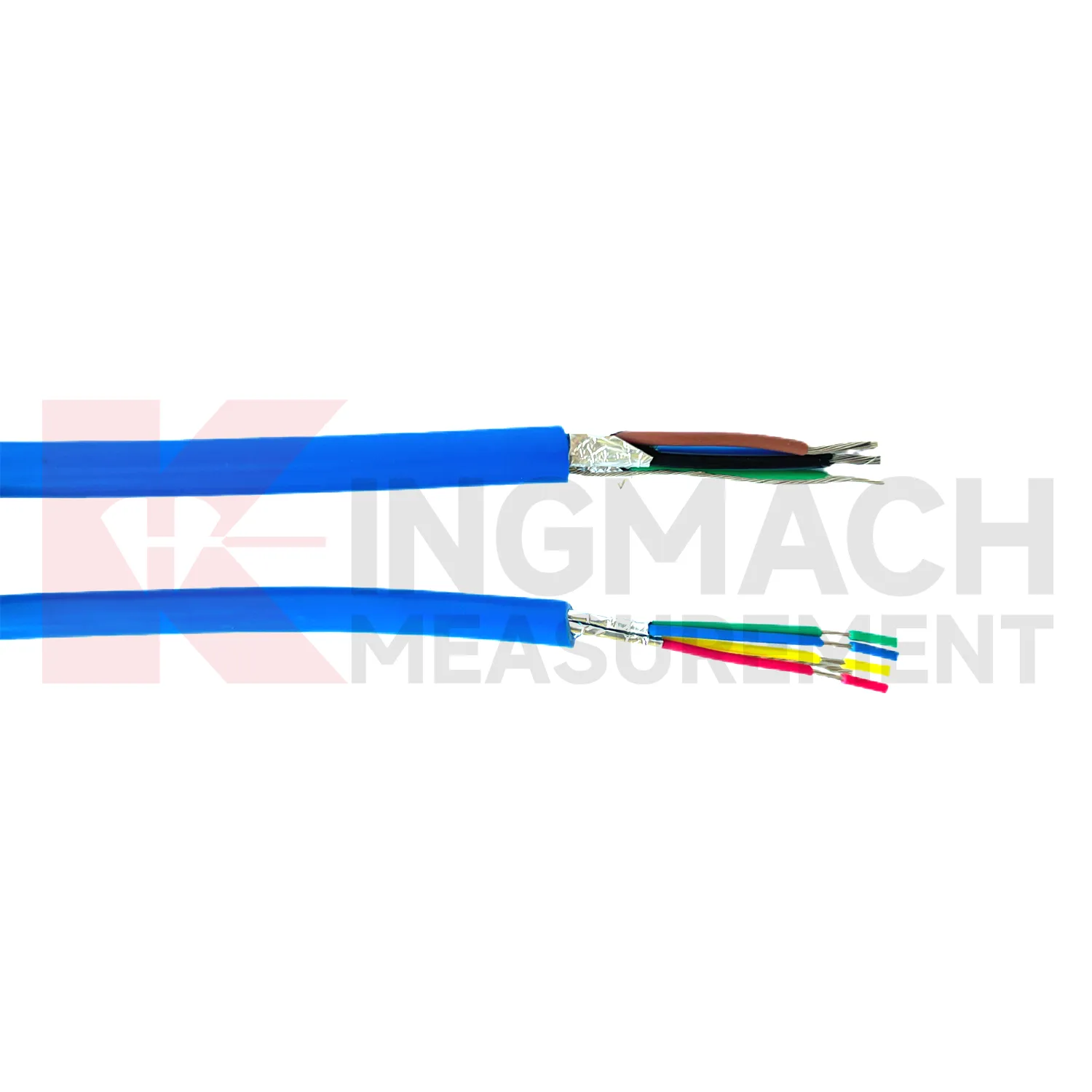
The future of Automated Equipment Test Cable
Future use of Kingmach Automated Equipment Test Cable will be tied more closely to digital monitoring networks. As owners connect bridges, tunnels, dams, slopes, and buildings to online platforms, cable quality will remain a quiet but critical part of data trust. Wireless links may handle part of the communication path, but many field sensors still need stable power and signal routes at the measurement point. Shielded, sealed, and well-documented cables will help automated systems separate true structural events from connection noise, moisture faults, or channel interruptions.
Care & Maintenance of Automated Equipment Test Cable
Labeling is a maintenance task for Kingmach Automated Equipment Test Cable, not just a neatness habit. Each cable should show instrument point, cable model, core assignment, cabinet location, and recorder channel. The same information should appear in the handover file. When a channel later reports noise, flatline data, or sudden jumps, technicians can inspect the correct route without disturbing neighboring sensors. Clear labels are especially important on multi-core cable, where a single sheath may carry several conductors that must remain traceable.
Kingmach Automated Equipment Test Cable
Kingmach Automated Equipment Test Cable are important because many monitoring faults first appear as small connection problems rather than sensor damage. A loose connector, wet cable end, crushed sheath, or cable running beside strong electrical equipment can create readings that look like structural movement. Shielded and sealed cable construction helps reduce that risk when paired with careful routing and cabinet work. The product category covers test-specific shielded wires and hydraulic cables made for anti-interference, waterproof, moisture-proof, and wear-resistant service. In long-term structural health monitoring, this protects the credibility of strain, load, displacement, settlement, tilt, water level, vibration, and environmental records.
FAQ
Q: What are Kingmach Automated Equipment Test Cable used for?
A: They connect monitoring sensors, acquisition equipment, cabinets, and data recorders while helping protect signal transmission in demanding field environments.
Q: Which cable models are listed in this category?
A: The local product pages list test dedicated shielded wire JMZX-XPX and hydraulic cable JMZX-XSX.
Q: What is JMZX-XPX designed for?
A: It is a shielded test wire with composite shielding for low-loss sensor signal transmission and resistance to EMI and RFI.
Q: What is JMZX-XSX designed for?
A: It is a hydraulic engineering cable with multi-layer sealing and water-resistant insulation for humid, underwater, or wet routes.
Q: Where are these cables commonly applied?
A: They are used in bridges, tunnels, slopes, buildings, dams, foundation pits, railways, hydraulic works, and mixed monitoring systems.
Reviews
Matthew Garcia
Instrumentation cables are durable and perform well even in harsh environments. Will definitely order again.
Andrew Lee
The visualization software is intuitive and powerful. It helps us analyze monitoring data efficiently.
Latest Inquiries
To protect the privacy of our buyers, only public service email domains like Gmail, Yahoo, and MSN will be displayed. Additionally, only a limited portion of the inquiry content will be shown.
Evelyn***@gmail.comSouth Africa
Hi, we are a contractor working on tunnel construction and need settlement sensors and displacement ...
Ava***@gmail.comAustralia
Hi, I am looking for reliable tiltmeters and accelerometers for structural health monitoring. Please...
Related product categories
- Singlelayer Shielded Test Cable
- Multicore Shielded Test Cable
- 2core / 4core / 6core / 8core Hydrological Cable
- Corrosionresistant Hydrological Cable
- Shielded Hydrological Cable
- Multicore Hydrological Cable
- Data Transmission Cable
- Automated Equipment Test Cable
- Sensor Shielded Test Cable
- Motor Shielded Test Cable
- Signal Cables
- Test dedicated shielded wire