
 EN
EN
 ar
ar bg
bg hr
hr cs
cs da
da nl
nl fi
fi fr
fr de
de el
el hi
hi it
it ko
ko no
no pl
pl pt
pt ro
ro ru
ru es
es sv
sv tl
tl iw
iw id
id lv
lv lt
lt sr
sr sk
sk sl
sl uk
uk vi
vi et
et hu
hu th
th tr
tr fa
fa ms
ms hy
hy ka
ka ur
ur bn
bn mn
mn ta
ta kk
kk uz
uz ku
ku
Motor Shielded Test Cable
The JMZX-XPX test dedicated shielded wire is built for measurement tasks where the signal path passes through electrically busy work areas. Its composite shielding helps resist EMI and RFI, while high insulation and pressure resistance support precise sensor transmission in harsh environments. This makes it useful during commissioning, temporary testing, cabinet-to-sensor wiring, and routes near pumps, motors, welding areas, or power cabinets. The important feature is not length alone; it is the ability to keep a weak measurement channel readable when the surrounding site is noisy.
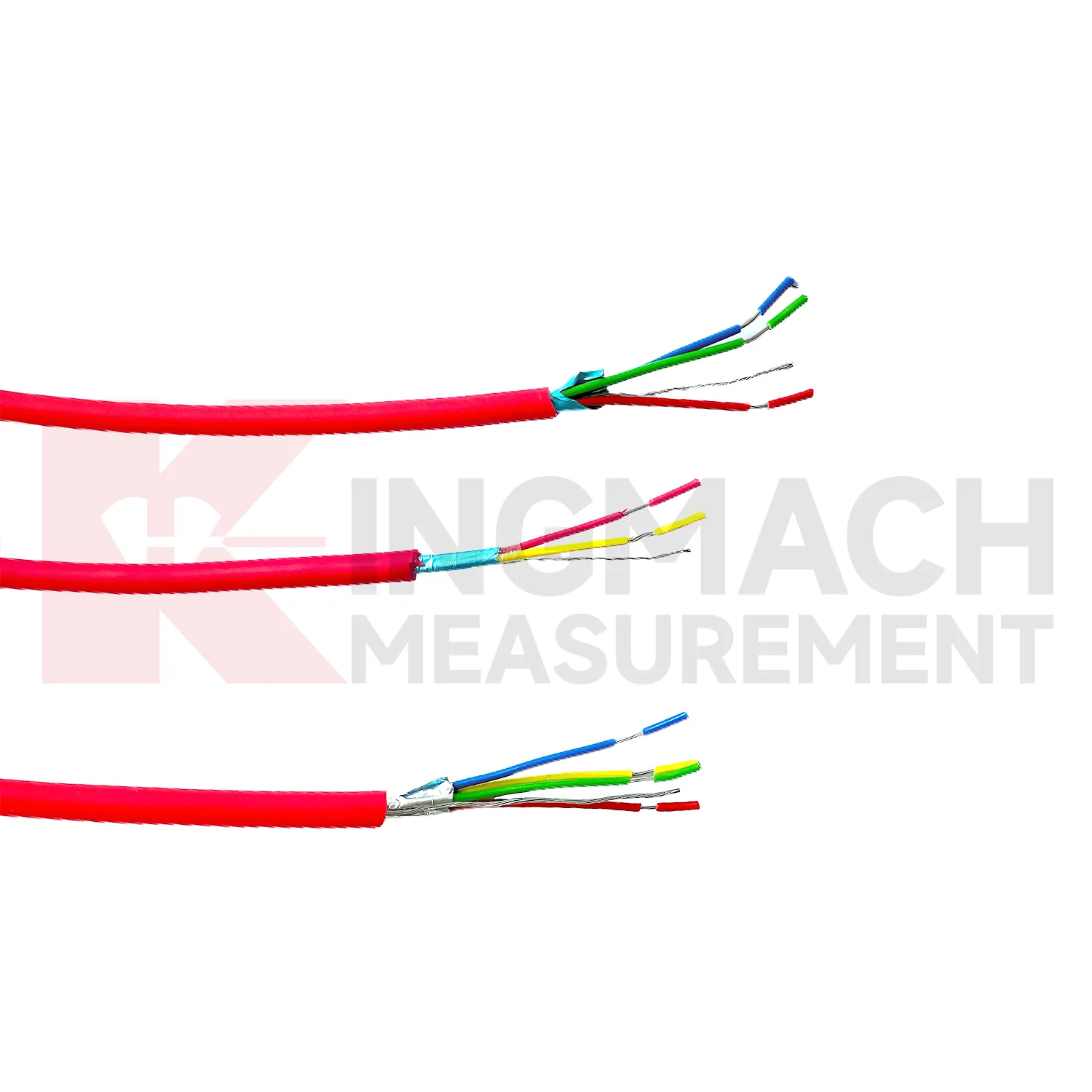
Application of Motor Shielded Test Cable
Railway and subway monitoring uses Kingmach Motor Shielded Test Cable where vibration, traction power, signaling equipment, and restricted access can make maintenance difficult. A stable cable path is important because small signal disturbances may be mistaken for track, tunnel, bridge, or subgrade behavior. JMZX-XPX helps where anti-interference performance is required near electrical systems. Moisture-resistant routing supports underground or drainage-adjacent sections. Once installed, cable labels and channel records let maintenance staff inspect the network quickly during limited access windows.
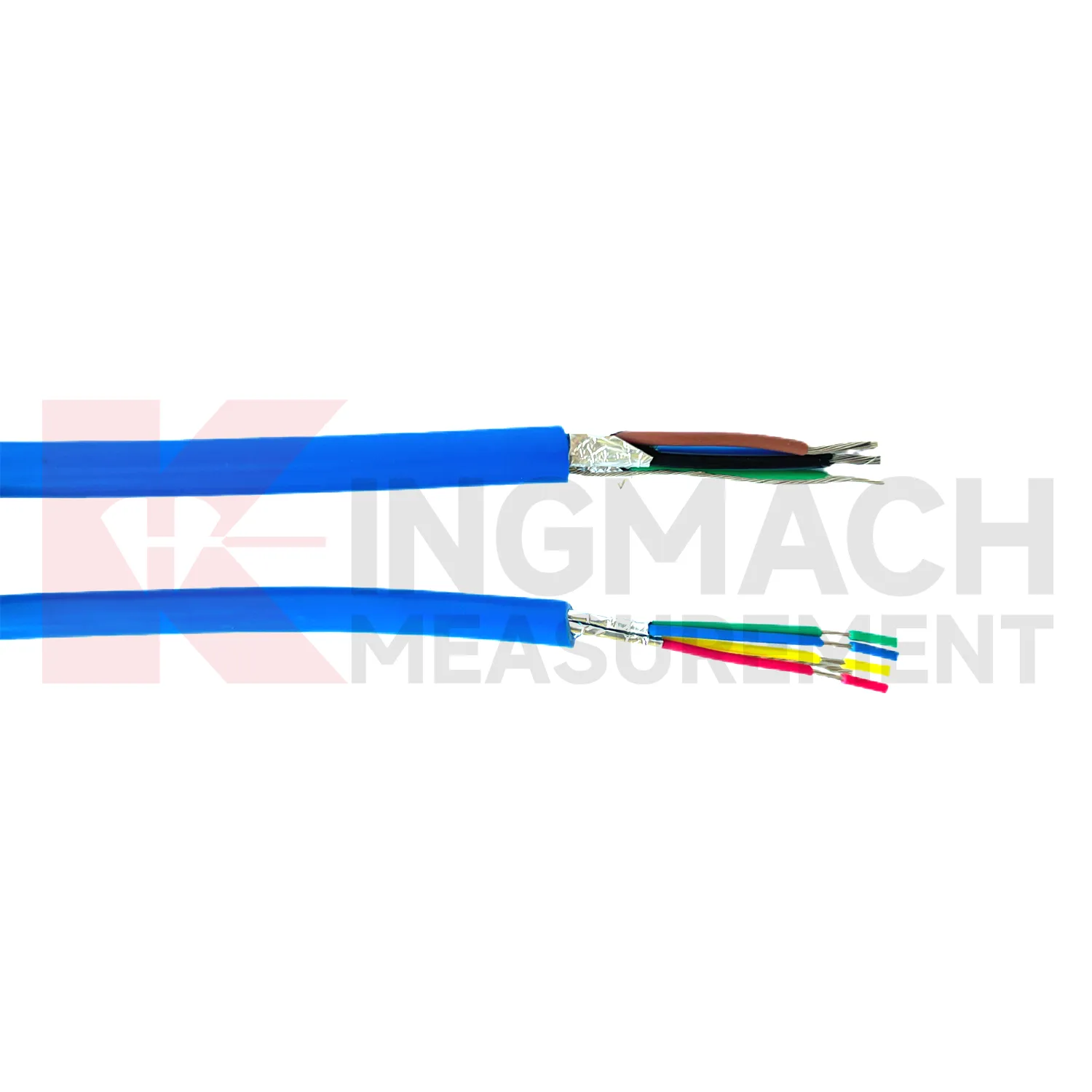
The future of Motor Shielded Test Cable
Standardized project records will shape the future use of Kingmach Motor Shielded Test Cable. Owners and engineering firms will expect handover files to include cable type, core count, route drawing, cabinet entry, connector status, and commissioning data. This level of detail makes later audits easier and supports cross-site comparison. When every monitoring point has a traceable cable history, the team can respond faster to alarms, replacement work, and system expansion without losing confidence in old data.
Care & Maintenance of Motor Shielded Test Cable
Before installing Kingmach Motor Shielded Test Cable, confirm the route, core count, cable model, wet exposure, interference sources, bending points, and cabinet entry method. JMZX-XPX is suitable when shielded signal transmission is the priority, while JMZX-XSX should be considered where hydraulic, humid, or underwater conditions add sealing and tensile demands. Do not let the final route be decided only after workers arrive on site. A short pre-installation review prevents cable shortages, wrong core use, poor conduit placement, and rushed terminations that later create unstable readings.
Kingmach Motor Shielded Test Cable
The value of Kingmach Motor Shielded Test Cable becomes clear during commissioning. Before a monitoring system is accepted, engineers need stable readings, clean channels, correct labels, and a cable route that can survive normal site activity. If a reading drifts during the first test, the team should inspect shield continuity, cable end sealing, connector tightness, cabinet entry, and nearby interference sources before blaming the sensor. Good cable work shortens this troubleshooting process. It also gives the owner a clearer handover package: cable model, route photo, core assignment, recorder channel, and first stable data record.
FAQ
Q: What should be confirmed before placing an order?
A: Confirm project quantity, required core format, expected delivery length, packaging demand, payment terms, and receiving schedule.
Q: What minimum order quantity is shown?
A: The local product pages list a minimum order quantity of one piece.
Q: How is pricing handled?
A: Pricing is listed as negotiable, so the buyer should confirm quantity, model, packaging, and project delivery details with Kingmach.
Q: What delivery term appears in the local files?
A: Shipment is listed within 30 days after full payment receipt, subject to the order and project arrangement.
Q: What certifications are shown?
A: The product information lists ISO9001, ISO14001, and ISO45001 certification for Kingmach.
Reviews
Michael Anderson
The strain gauges and load cells are extremely accurate and stable. They performed very well in our bridge monitoring project. Highly recommended!
Ryan Lewis
Fast delivery and excellent product quality. The accelerometers and tiltmeters are highly reliable. Strongly recommend this company.
Latest Inquiries
To protect the privacy of our buyers, only public service email domains like Gmail, Yahoo, and MSN will be displayed. Additionally, only a limited portion of the inquiry content will be shown.
Emma***@gmail.comCanada
Dear Sir/Madam, we are interested in displacement transducers and settlement sensors for a geotechni...
Isabella***@gmail.comGermany
Hello, we are evaluating weir flow meters for a water management project. Please share accuracy deta...