
 EN
EN
 ar
ar bg
bg hr
hr cs
cs da
da nl
nl fi
fi fr
fr de
de el
el hi
hi it
it ko
ko no
no pl
pl pt
pt ro
ro ru
ru es
es sv
sv tl
tl iw
iw id
id lv
lv lt
lt sr
sr sk
sk sl
sl uk
uk vi
vi et
et hu
hu th
th tr
tr fa
fa ms
ms hy
hy ka
ka ur
ur bn
bn mn
mn ta
ta kk
kk uz
uz ku
ku
accelerometer sensors
Cable force monitoring is one of the more specialized uses of Kingmach accelerometer sensors. A vibrating cable carries frequency information that can be processed into force values when the cable parameters and calculation method are properly configured. That means the sensor is part of a larger test method, not a standalone answer. The installation must capture the cable response cleanly, and the record should preserve cable identity, test condition, environmental context, and review result. Repeat tests should use the same location and procedure whenever possible. If the cable, boundary condition, or measurement position changes, the record should say so. Written this way, the page explains the engineering value without relying on dense technical tables.
During interpretation, the team should compare the motion with nearby strain, displacement, tilt, load, wind, temperature, traffic, machinery, or construction notes. That wider view helps separate normal response from a pattern that needs inspection.
If the reading changes suddenly, the first check should include the sensor attachment, cable route, connector, channel name, and recent field activity. This prevents a maintenance issue from being mistaken for structural behavior.
Long-term monitoring benefits from repeatable procedure. When the same point, direction, event definition, and analysis method are preserved, new vibration records can be compared with earlier records in a defensible way.
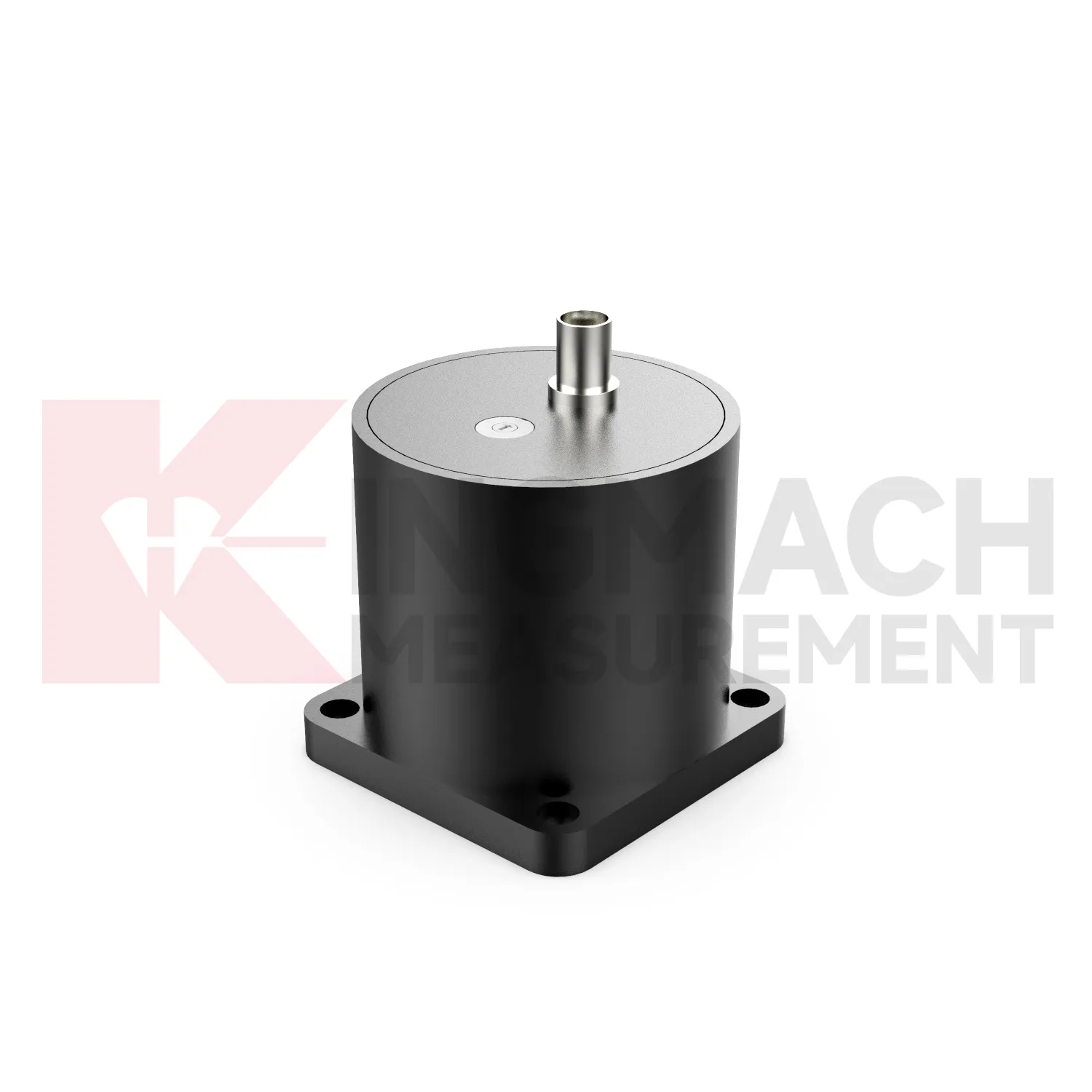
Application of accelerometer sensors
Integrated monitoring platforms use Kingmach accelerometer sensors as the dynamic response layer beside settlement, displacement, tilt, strain, load, and environmental records. A sudden vibration event can be understood better when other sensors show whether the structure also moved, strained, tilted, or experienced wind or temperature changes. Platform setup should define point names, axes, event tags, alarm review, and related channels. This prevents acceleration data from becoming isolated. Dynamic monitoring works best when it is connected to the wider story of the asset. During a review, the engineer should be able to see the event, the motion, the related structural response, and the inspection note in one workflow.
Platform integration should also separate raw traces from summary views. Engineers may need detailed waveforms and frequency behavior, while owners may need event time, affected asset, severity, and follow-up action. Both views should come from the same organized data chain.
Good platform setup reduces confusion during abnormal events. If channel names, axis labels, related sensors, and event tags are prepared before the alarm, the team can review the situation quickly instead of rebuilding context from scattered files. It also supports handover because a new reviewer can understand why the dynamic point exists and which other readings should be opened beside it.
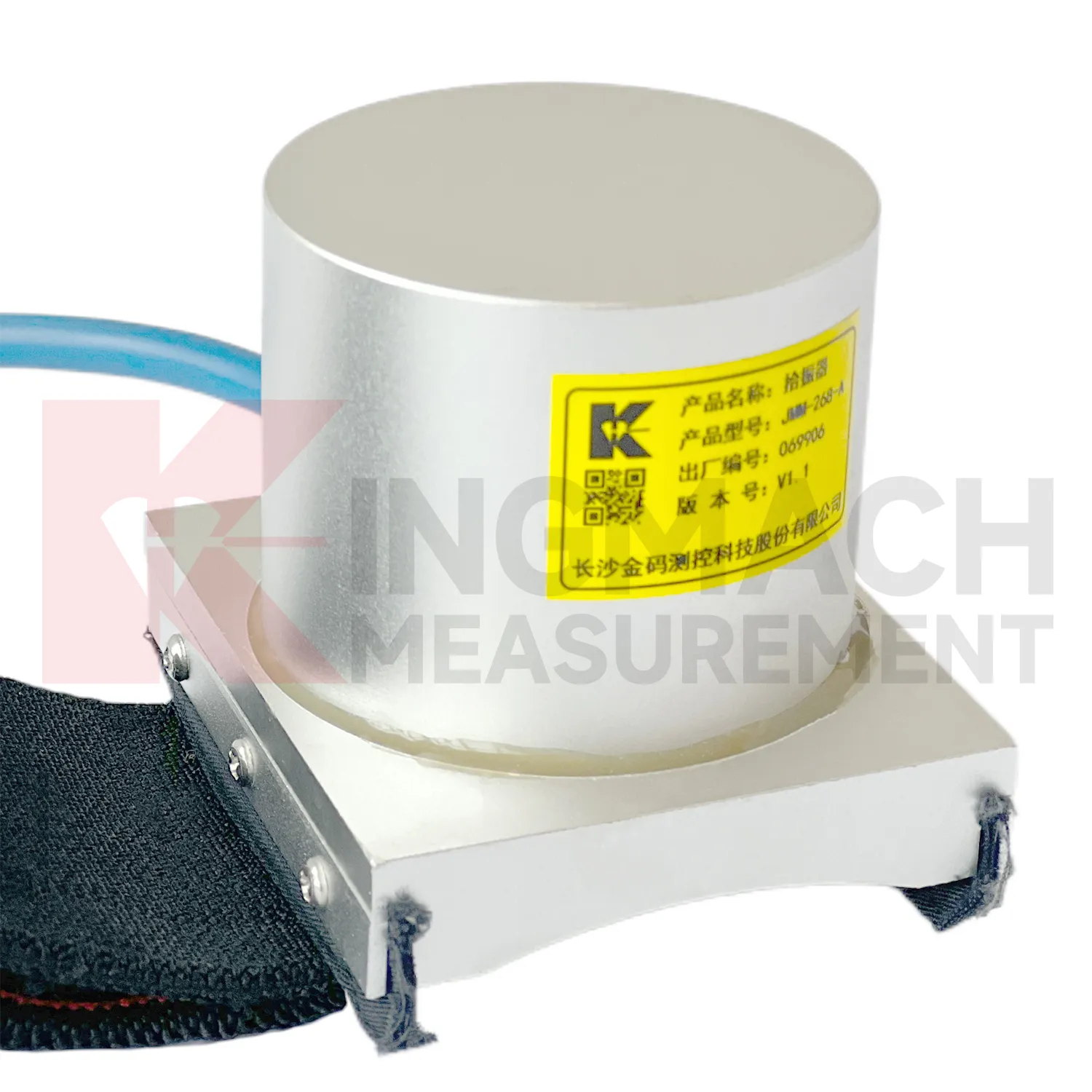
The future of accelerometer sensors
Remote monitoring will influence future Kingmach accelerometer sensors deployments, especially on bridges, railways, tunnels, towers, and industrial sites where access is limited. A remote dynamic station should report sensor status, acquisition health, event timing, and data availability, not only final vibration values. Maintenance teams need to know whether missing data came from quiet conditions, power trouble, communication loss, or a damaged installation. Clear status reporting will make dynamic monitoring more reliable during the events when it is needed most. Remote records are useful only when the team can trust that the station was ready before the event occurred.
During interpretation, the team should compare the motion with nearby strain, displacement, tilt, load, wind, temperature, traffic, machinery, or construction notes. That wider view helps separate normal response from a pattern that needs inspection.
If the reading changes suddenly, the first check should include the sensor attachment, cable route, connector, channel name, and recent field activity. This prevents a maintenance issue from being mistaken for structural behavior.
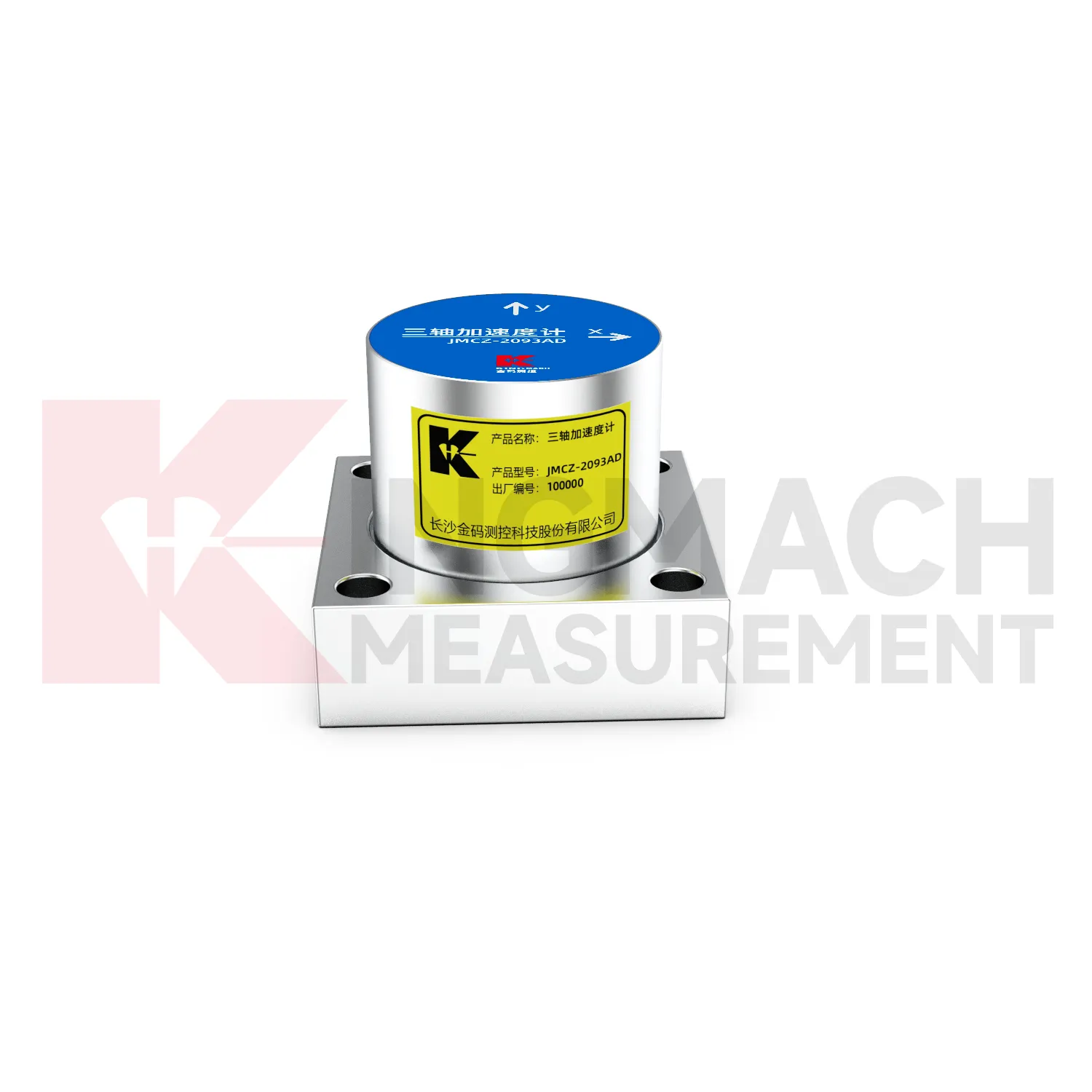
Care & Maintenance of accelerometer sensors
Acquisition settings for Kingmach accelerometer sensors should be checked after commissioning and after any platform change. Dynamic monitoring depends on timing, event capture, channel naming, and storage behavior. If the system records too slowly, a short event may be missed. If it stores too little context, the waveform may be hard to interpret. Keep a record of sampling plan, event trigger, analysis method, and related channels. After software updates or cabinet work, run a controlled check so the team knows the system is still capturing motion correctly. Acquisition care protects the investment made in the field installation.
Weak-vibration review should include nearby walking, wind, traffic, equipment start-up, and construction activity because these sources can influence the trace. People walking nearby, wind, traffic, equipment start-up, and construction work can all influence the trace, so the field note should capture what was happening around the point.
For high-risk assets, inspection timing should follow events as well as calendar dates. After impact, blasting, severe weather, unusual vibration, or equipment maintenance, the sensor and the data path both deserve a quick check.
Kingmach accelerometer sensors
Kingmach accelerometer sensors help engineering teams understand vibration risk rather than simply collect motion traces. In bridge, tunnel, building, railway, machinery, and ground-motion work, acceleration data shows how a structure moves when traffic, wind, machinery, blasting, earthquake activity, or cable vibration occurs. The useful result is not just a waveform; it is a record that shows frequency, response level, timing, and whether movement is repeating or changing. Dynamic monitoring is especially useful when movement is too quick for visual inspection or too subtle to judge by touch. When acceleration records are reviewed with inspection notes, environmental conditions, and related structural instruments, engineers can separate normal operating response from behavior that requires attention. This makes vibration measurement part of a practical safety and maintenance process.
For field teams, the record is strongest when the waveform is tied to a named event and a known physical point. The note should state what was operating, what changed on site, whether other instruments reacted, and whether the motion repeated under similar conditions.
FAQ
Q: What maintenance do Kingmach accelerometer sensors need?
A: Check mounting, cable condition, connector sealing, axis label, acquisition status, cabinet condition, and recent site disturbance.
Q: How often should they be inspected?
A: Frequency depends on asset risk, access, vibration level, and whether construction or severe weather is active nearby.
Q: What should be checked after a strong event?
A: Inspect sensor attachment, cable route, cabinet, data completeness, event labels, and related structural readings.
Q: Can software changes affect data?
A: Yes. Platform or acquisition changes can affect channel names, timing, storage, triggers, and analysis settings.
Q: How should replacement be documented?
A: Record old and new equipment, location, reason, date, technician, first test record, and any change to axis or channel name.
Dynamic data can be sensitive to small field changes. A new bracket, nearby machine, temporary work platform, changed cable route, or software update can alter the record, so those changes belong in the maintenance history.
Reviews
Matthew Garcia
Instrumentation cables are durable and perform well even in harsh environments. Will definitely order again.
James Thompson
The tiltmeters and accelerometers are very sensitive and provide precise data. Perfect for our structural health monitoring system.
Latest Inquiries
To protect the privacy of our buyers, only public service email domains like Gmail, Yahoo, and MSN will be displayed. Additionally, only a limited portion of the inquiry content will be shown.
Sophia***@gmail.comUnited Kingdom
Good day, we need environmental monitoring sensors including temperature, humidity, and wind sensors...
Harper***@gmail.comIndia
Dear Sir, we are planning to procure a complete monitoring system including strain gauges, tiltmeter...
Related product categories
- mems accelerometers
- triaxial accelerometer sensor
- lateral accelerometer sensor
- three axis accelerometer
- three axis accelerometer sensor
- wireless accelerometer
- 3 axial accelerometer
- accelerometer vibration sensor
- piezoelectric accelerometers
- tri axis accelerometer
- piezo electric accelerometer
- accelerometers sensors