
 EN
EN
 ar
ar bg
bg hr
hr cs
cs da
da nl
nl fi
fi fr
fr de
de el
el hi
hi it
it ko
ko no
no pl
pl pt
pt ro
ro ru
ru es
es sv
sv tl
tl iw
iw id
id lv
lv lt
lt sr
sr sk
sk sl
sl uk
uk vi
vi et
et hu
hu th
th tr
tr fa
fa ms
ms hy
hy ka
ka ur
ur bn
bn mn
mn ta
ta kk
kk uz
uz ku
ku
load cell and strain gauge
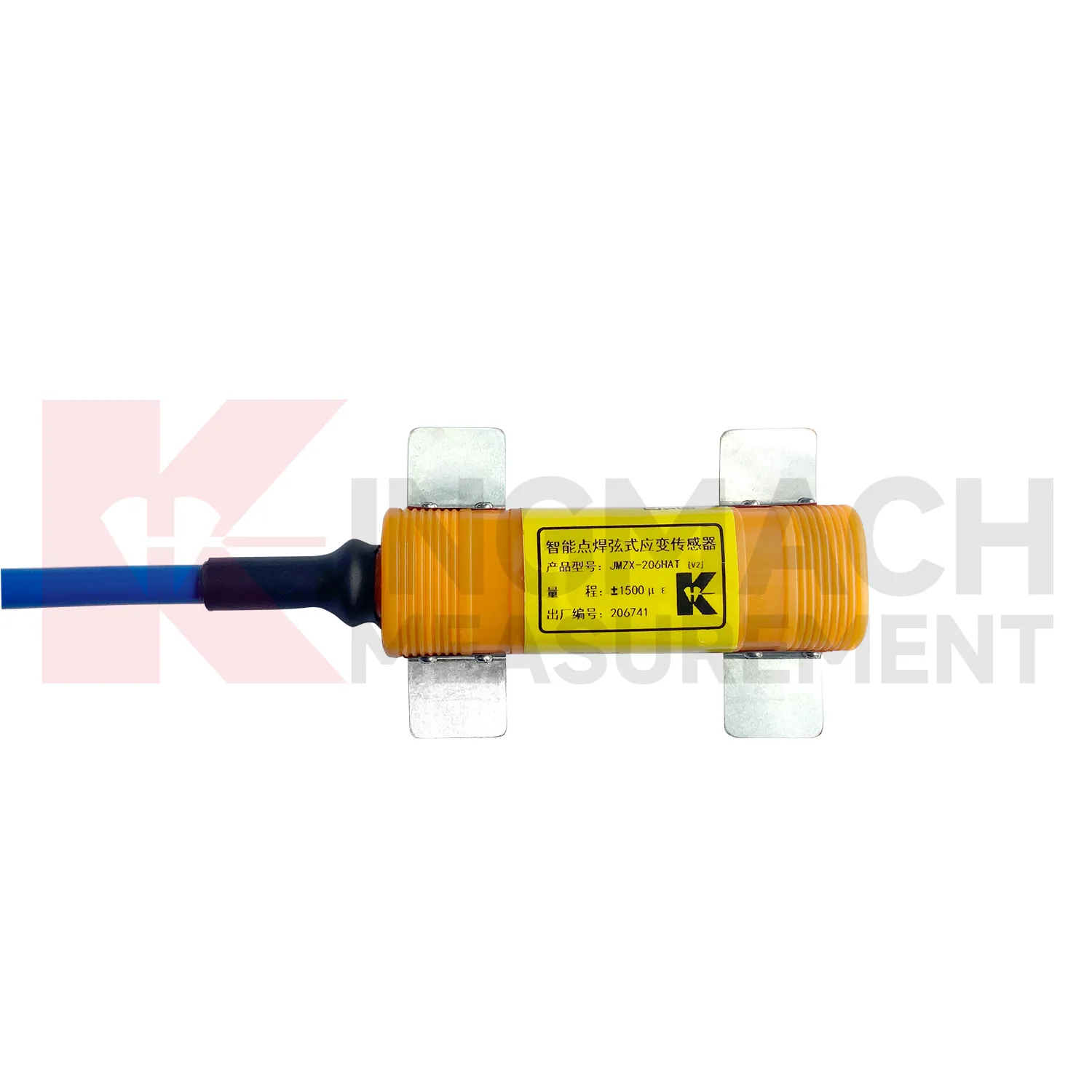
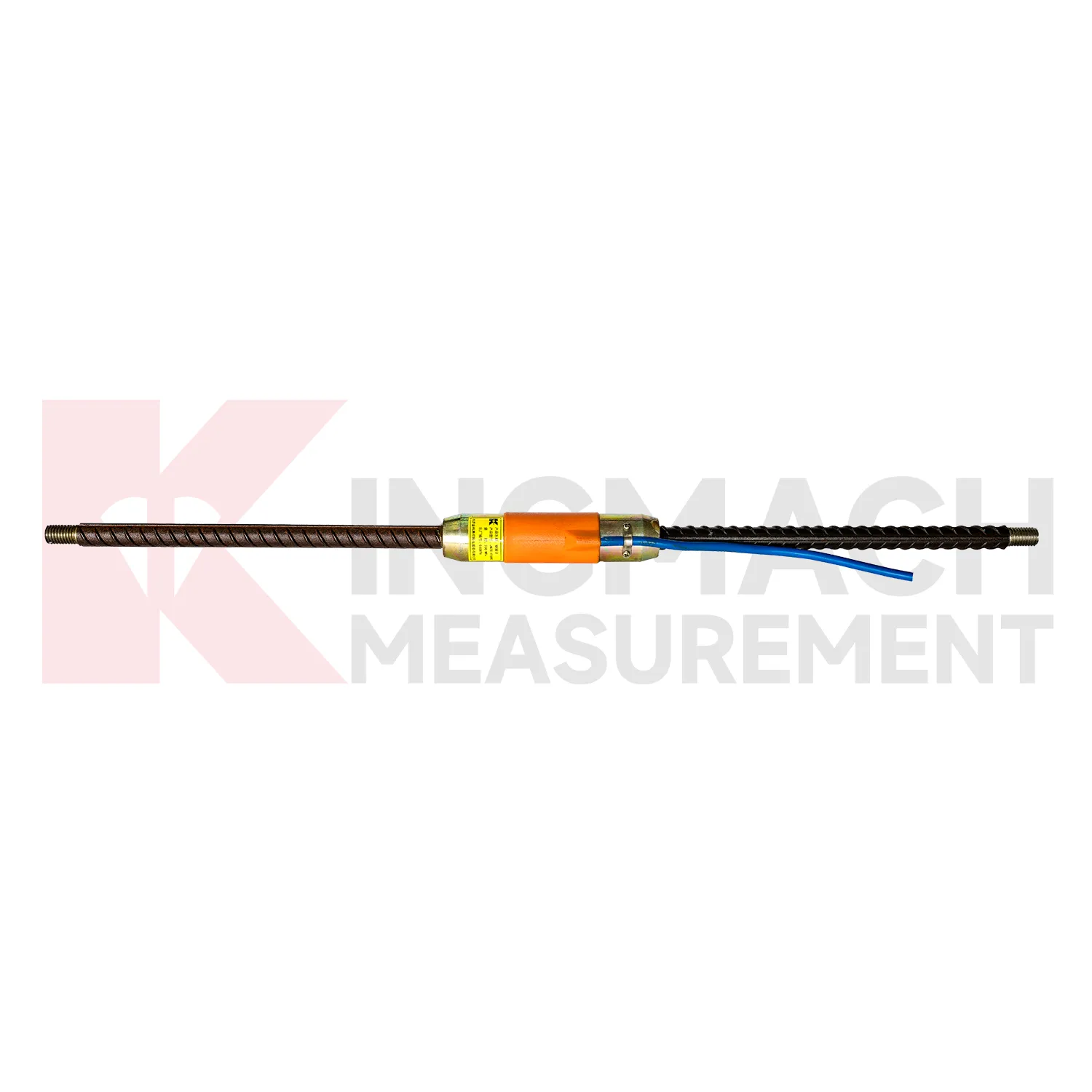
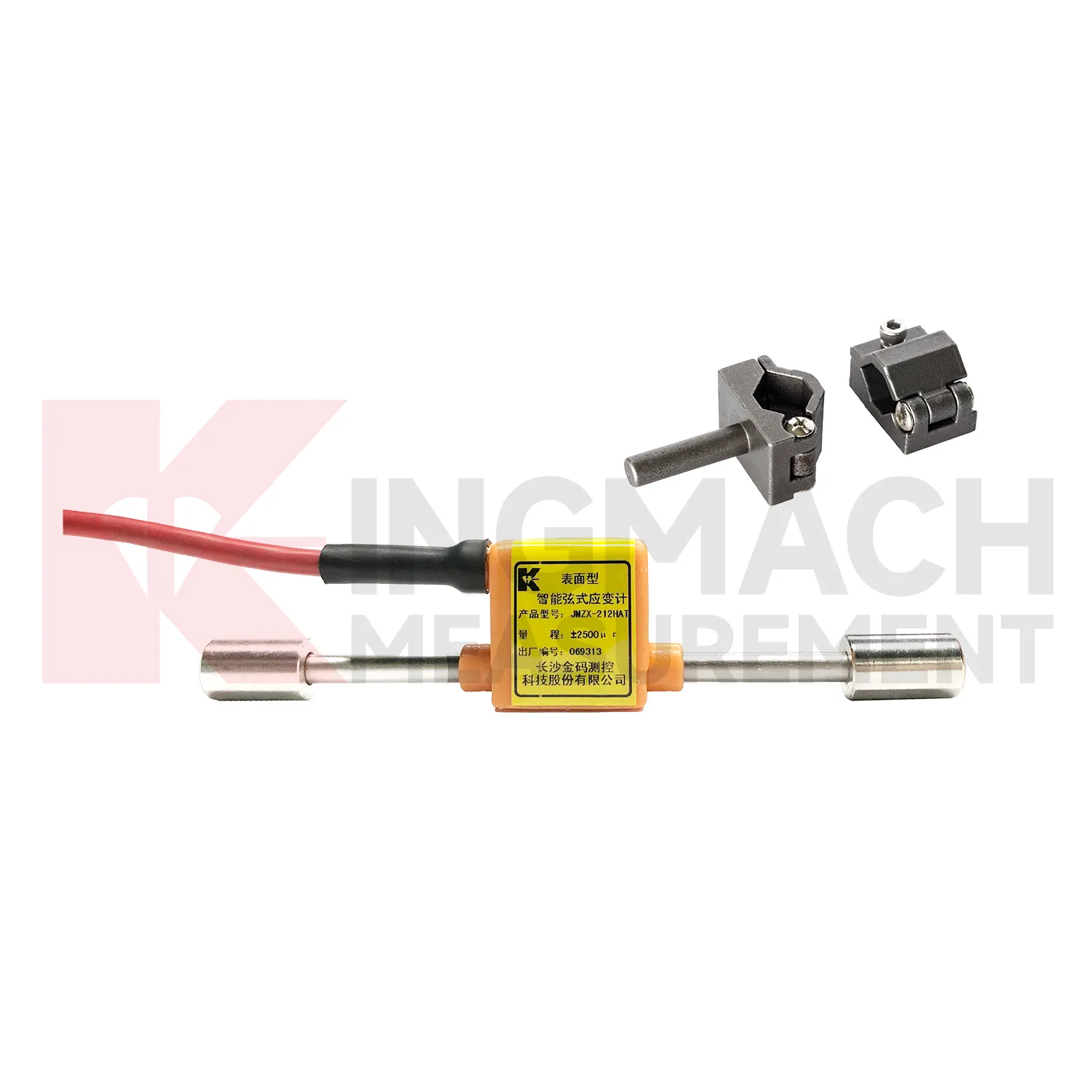
For steel members, Kingmach {keyword} includes the JMZX-206HAT surface welded model. It is built for strain measurement on steel structures such as bridges, buildings, railway facilities, pipes, tunnel linings, support members, and hydropower structures. The model has a measuring range from -1500 microstrain to +2500 microstrain, 0.5%FS accuracy, and 0.1 microstrain resolution. Installation uses a polished 10 x 80 mm flat surface and spot welding, which helps preserve the structural integrity of the steel member while forming a stable sensor connection. The low height design reduces strain error caused by bending deformation. An intelligent chip supports full digital detection, long distance signal transmission, and strong anti interference performance. An embedded memory chip stores the model, serial number, calibration coefficients, and up to 800 measurement records, which is useful when project teams need traceable sensor information in the field. The model information is useful during design review, procurement, and installation planning. Engineers can match the gauge length, range, and waterproof rating to the structure, while site teams can plan cable routing, data logger channels, and protection details before work begins. For field teams, those details also shape installation tools, spare cable length, readout selection, and protection work. They also help the owner decide whether manual reading, scheduled logging, or unattended monitoring is the better operating method.
Application of load cell and strain gauge
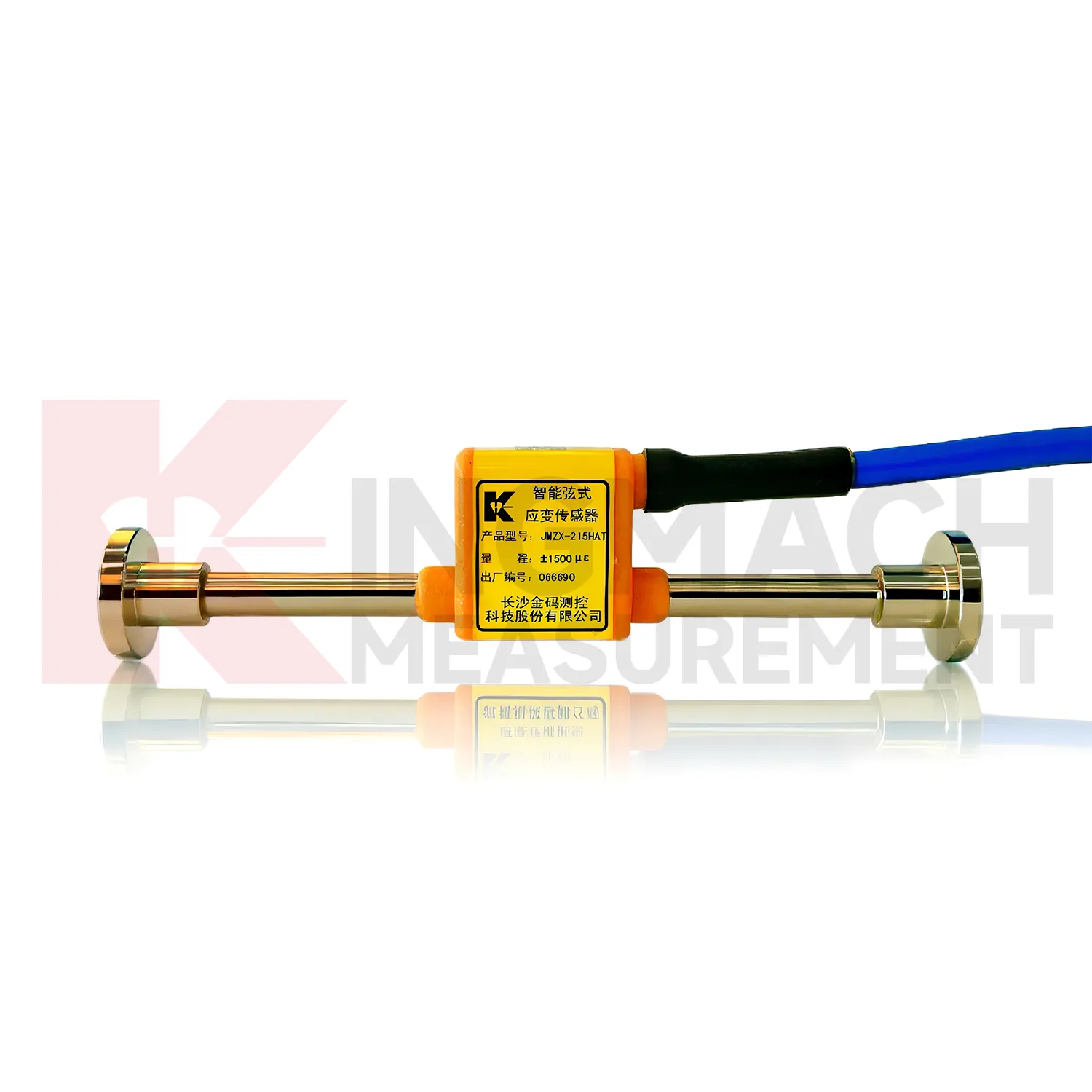
In dam and hydraulic structure monitoring, {keyword} supports strain observation in concrete blocks, galleries, spillways, anchors, reinforcement, and steel components affected by water pressure and temperature cycles. The project pain points are long service life, seepage influence, thermal movement, concrete creep, and limited access after construction. Kingmach embedded gauges can be placed before concrete pouring and provide ±1500 microstrain range, 0.5%F.S. precision, and waterproof durability up to 150 meters. Surface gauges also include temperature measurement versions, with -40℃ to +120℃ thermometer range and ±0.5℃ accuracy. In dam safety monitoring, strain readings can be reviewed with water level, seepage, displacement, and temperature data. This helps owners identify whether structural stress is following normal seasonal behavior or moving toward a risk condition. For general product use, the same equipment can serve several structures when the range, waterproof rating, and installation method match the monitoring point. For field use, the strain point should be named, mapped, protected, and reviewed with nearby sensors before any alarm is judged. The same record can support staged construction control, post event inspection, and long term maintenance planning.
The future of load cell and strain gauge
For {keyword}, smarter data handling will matter as much as sensor hardware. Kingmach models already support frequency signal transmission, automated acquisition, and in some cases digital detection with stored model numbers, serial numbers, calibration coefficients, and up to 800 records. Future systems can use that identity data to reduce channel mix ups, connect sensors with digital twins, and improve alarm review. Instead of treating a strain alarm as a simple threshold event, platforms can compare strain with temperature, traffic load, reservoir level, excavation stage, or nearby displacement channels. AI warning analysis may help filter routine seasonal movement from abnormal stress change, but final judgment should stay with engineers who know the structure and site history. This trend will be strongest where owners need fewer site visits and cleaner records. Remote bridges, reservoirs, slopes, and rail corridors will benefit from better transmission, lower power hardware, and reliable edge storage. Those improvements fit long term infrastructure monitoring better than one time testing.
Care & Maintenance of load cell and strain gauge
Temperature management is part of maintaining {keyword}. Kingmach temperature versions can measure the monitoring point across -40℃ to +120℃ with ±0.5℃ temperature measurement accuracy, allowing strain correction when thermal movement affects the reading. During installation, keep temperature sensor wiring and strain wiring clearly labeled. During long term use, compare strain changes with temperature records before judging a structural problem. Bridges, exposed steel, dam galleries, and tunnel entrances can all show daily or seasonal thermal movement. If a channel drifts, review weather, curing stage, sunlight exposure, nearby heat sources, and acquisition settings. This simple habit prevents normal thermal behavior from being mistaken for structural distress. A simple inspection schedule should cover waterproof seals, cable jackets, grounding, connectors, data logger power, communication status, and comparison with nearby sensors. Compare suspicious readings with nearby channels before repair decisions. Keep these checks in the project log. Review the channel after major site work.
Kingmach load cell and strain gauge
Engineers select {keyword} when the monitoring point must stay close to the material being measured. Surface models follow strain on concrete or steel. Embedded models are tied to rebar or brackets before concrete placement. Weldable models are fixed to steel members after surface preparation. Rebar strainmeters replace or connect with reinforcing bars to read stress inside reinforced concrete. Kingmach's strain gauge products share the same purpose even when their installation methods differ: they help describe how load, temperature, settlement, vibration, or construction activity changes the stress state of a structure. The result is a measured strain history that can be checked during inspection rather than reconstructed from memory. Temperature correction, automated acquisition, and long distance signal transmission can be included when the project needs continuous readings from exposed or hard to reach locations. Site records matter. That field record supports later inspection. It also gives engineers a cleaner baseline for later comparison.
FAQ
Q: How should {keyword} be maintained?
A: Inspect the sensor protection, cable route, junction boxes, seals, channel labels, and baseline trends. Compare readings with temperature and nearby sensors before judging an alarm.
Q: How often should calibration be checked?
A: Follow project requirements and review calibration before load tests, major construction stages, repair work, or when readings drift without a clear site reason.
Q: What causes unstable readings?
A: Common causes include loose wiring, water entry, damaged cable jackets, poor grounding, surface debonding, weak welds, wrong acquisition settings, and real structural movement.
Q: Can the sensor be replaced after embedment?
A: Usually not without structural work, so embedded gauges need careful installation, cable protection, and documentation before concrete is poured.
Q: What records should be kept?
A: Keep model, serial number, calibration coefficients, location, installation photos, cable route, channel name, baseline readings, and maintenance notes.
Reviews
Christopher Martinez
Very satisfied with the readouts & data loggers. User-friendly interface and supports multiple sensor inputs.
Andrew Lee
The visualization software is intuitive and powerful. It helps us analyze monitoring data efficiently.
Latest Inquiries
To protect the privacy of our buyers, only public service email domains like Gmail, Yahoo, and MSN will be displayed. Additionally, only a limited portion of the inquiry content will be shown.
Sophia***@gmail.comUnited Kingdom
Good day, we need environmental monitoring sensors including temperature, humidity, and wind sensors...
Charlotte***@gmail.comUnited Arab Emirates
Hi, we require instrumentation cables suitable for harsh environments. Could you advise on specifica...