
 EN
EN
 ar
ar bg
bg hr
hr cs
cs da
da nl
nl fi
fi fr
fr de
de el
el hi
hi it
it ko
ko no
no pl
pl pt
pt ro
ro ru
ru es
es sv
sv tl
tl iw
iw id
id lv
lv lt
lt sr
sr sk
sk sl
sl uk
uk vi
vi et
et hu
hu th
th tr
tr fa
fa ms
ms hy
hy ka
ka ur
ur bn
bn mn
mn ta
ta kk
kk uz
uz ku
ku
vibrate sensor
Cable force monitoring is one of the more specialized uses of Kingmach vibrate sensor. A vibrating cable carries frequency information that can be processed into force values when the cable parameters and calculation method are properly configured. That means the sensor is part of a larger test method, not a standalone answer. The installation must capture the cable response cleanly, and the record should preserve cable identity, test condition, environmental context, and review result. Repeat tests should use the same location and procedure whenever possible. If the cable, boundary condition, or measurement position changes, the record should say so. Written this way, the page explains the engineering value without relying on dense technical tables.
During interpretation, the team should compare the motion with nearby strain, displacement, tilt, load, wind, temperature, traffic, machinery, or construction notes. That wider view helps separate normal response from a pattern that needs inspection.
If the reading changes suddenly, the first check should include the sensor attachment, cable route, connector, channel name, and recent field activity. This prevents a maintenance issue from being mistaken for structural behavior.
Long-term monitoring benefits from repeatable procedure. When the same point, direction, event definition, and analysis method are preserved, new vibration records can be compared with earlier records in a defensible way.
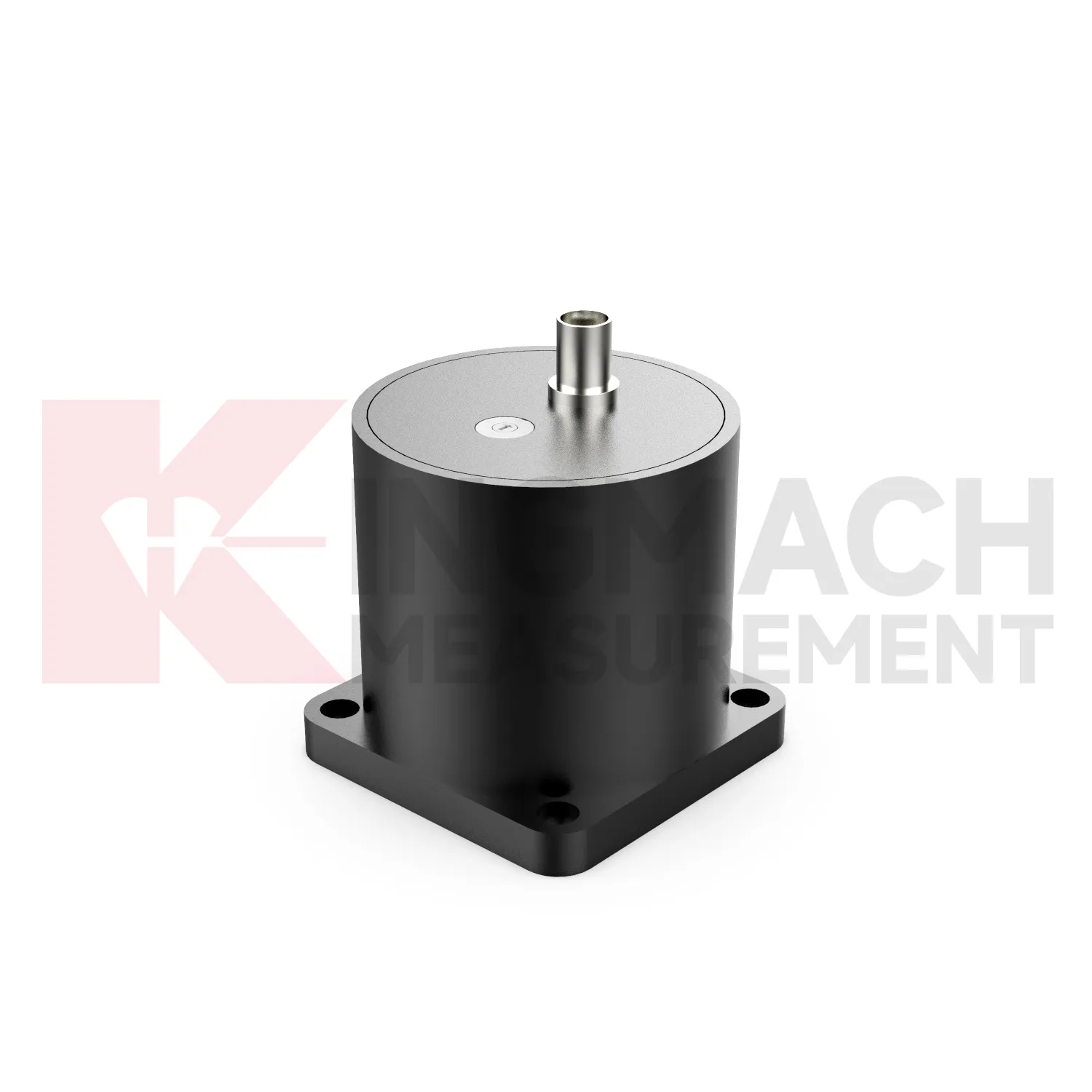
Application of vibrate sensor
Machinery and industrial structures use Kingmach vibrate sensor to record motion from rotating equipment, impact work, production lines, foundations, and support frames. The goal may be comfort, safety, fatigue review, machine condition, or structural response. A sensor should be mounted on a surface that carries the actual vibration, not on a loose cover or secondary panel. The record should note machine state, speed setting, operating cycle, and any maintenance event. Acceleration data is most useful when the engineer can compare normal operation with a changed vibration pattern. If the record is reviewed with noise, temperature, load, and maintenance notes, it can help identify whether a change came from the machine, its foundation, or the surrounding structure.
Industrial monitoring also needs a clear operating baseline. A production line during start-up, steady operation, shutdown, or maintenance may produce different motion. The report should say which condition was measured so a later change is not confused with a normal operating phase.
For machinery foundations, the sensor position should avoid covers, handrails, and panels that vibrate differently from the base. If maintenance changes the machine alignment, support, or operating speed, that note belongs beside the next vibration record.
Repeated measurements should use comparable operating conditions whenever possible. If the plant changes process speed, adds equipment, repairs a foundation, or changes nearby supports, the vibration trend should be reviewed with that history before any judgment is made.

The future of vibrate sensor
Remote monitoring will influence future Kingmach vibrate sensor deployments, especially on bridges, railways, tunnels, towers, and industrial sites where access is limited. A remote dynamic station should report sensor status, acquisition health, event timing, and data availability, not only final vibration values. Maintenance teams need to know whether missing data came from quiet conditions, power trouble, communication loss, or a damaged installation. Clear status reporting will make dynamic monitoring more reliable during the events when it is needed most. Remote records are useful only when the team can trust that the station was ready before the event occurred.
During interpretation, the team should compare the motion with nearby strain, displacement, tilt, load, wind, temperature, traffic, machinery, or construction notes. That wider view helps separate normal response from a pattern that needs inspection.
If the reading changes suddenly, the first check should include the sensor attachment, cable route, connector, channel name, and recent field activity. This prevents a maintenance issue from being mistaken for structural behavior.
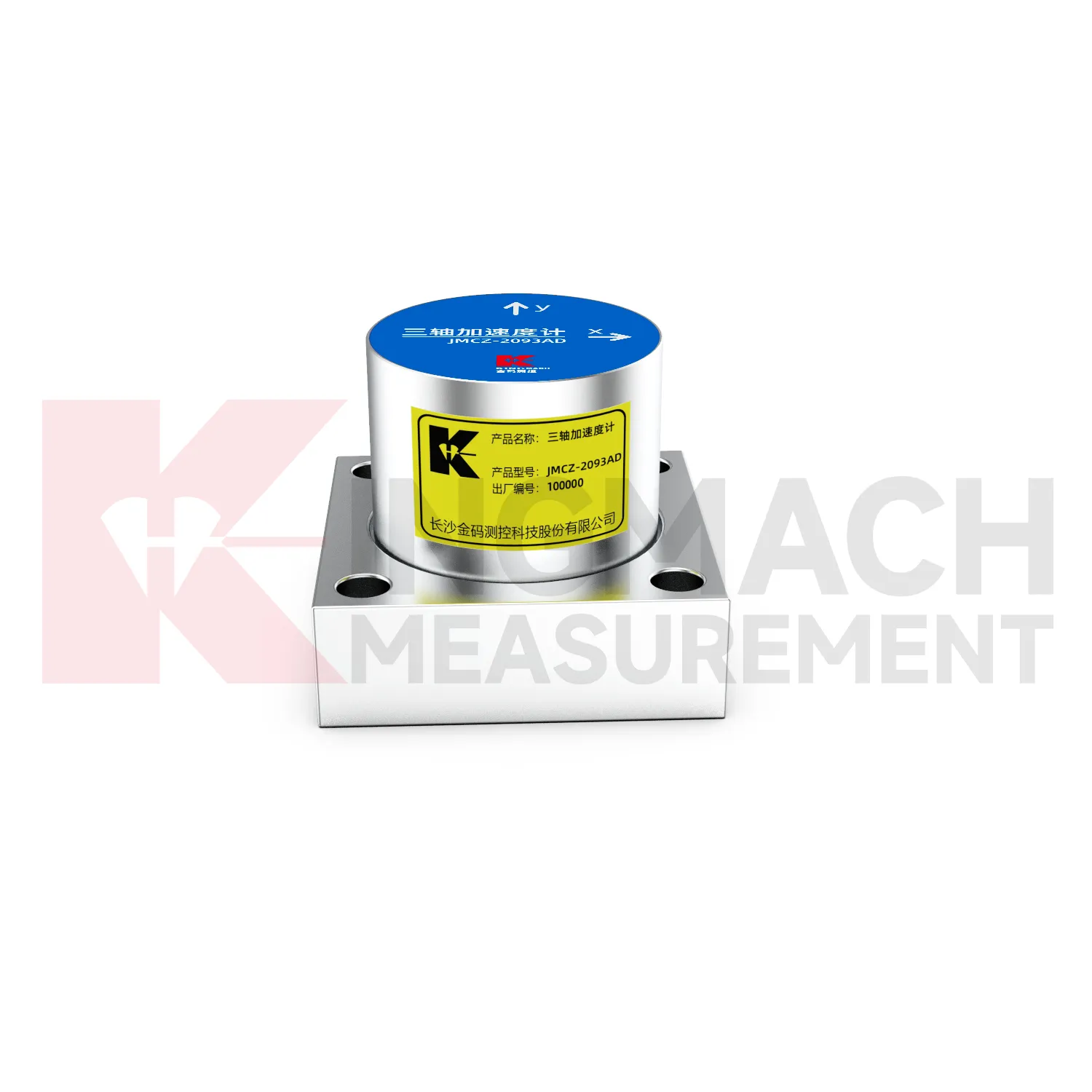
Care & Maintenance of vibrate sensor
Environmental protection helps Kingmach vibrate sensor remain stable in field use. Sensors and cables may face dust, moisture, temperature change, construction debris, vibration, and impact. Inspect seals, cable glands, cabinet entries, mounting bolts, and any protective cover. In tunnels or outdoor bridges, check for water and corrosion. In machinery rooms, check oil, dust, and accidental contact. Field protection should not block the motion being measured or create its own vibration. Maintenance notes should state what was inspected and whether the first record after inspection looked normal. This keeps field condition and data quality connected.
Protection work should be checked after site activities that can change the physical surroundings. Painting, cleaning, welding, formwork, cable tray work, or equipment relocation can disturb a point without looking like a sensor fault. The inspection note should describe the surrounding condition, not only the sensor body.
If a cover or enclosure is added, confirm that it does not touch the sensor or create a new vibration path. Good protection keeps water and impact away while leaving the measured structure free to move naturally.
Kingmach vibrate sensor
Kingmach vibrate sensor support structural health monitoring by turning motion into a reviewable data trail. For bridge and building work, the data may help identify dominant frequency, cable behavior, vibration level, and response after an impact or construction event. For ground and earthquake studies, the record may show pulse timing and motion intensity. For machinery and industrial structures, repeated patterns can point to operating conditions or resonance. The monitoring plan should define what counts as normal, what requires field inspection, and which related sensors should be checked before making a decision. This prevents the vibration record from becoming an isolated curve and makes it part of a structured review process.
For owner handover, the file should include point photos, axis labels, acquisition settings, related structural channels, and examples of normal behavior. That helps future reviewers understand whether a later event is unusual.
Weak-vibration review should include nearby walking, wind, traffic, equipment start-up, and construction activity because these sources can influence the trace. People walking nearby, wind, traffic, equipment start-up, and construction work can all influence the trace, so the field note should capture what was happening around the point.
FAQ
Q: What are Kingmach vibrate sensor used for?
A: They are used to record acceleration and vibration behavior so engineers can review structural motion, frequency response, impact events, ground motion, and cable vibration.
Q: Where are they commonly applied?
A: They are used in bridges, buildings, tunnels, railways, machinery areas, ground-motion stations, wind towers, and construction vibration monitoring.
Q: Why not rely only on visual inspection?
A: Many dynamic problems happen too quickly or too subtly to see, while acceleration records preserve timing, direction, and frequency information.
Q: Can acceleration data support cable force review?
A: Yes, when the vibration measurement and calculation method are configured correctly for the cable being tested.
Q: Should acceleration data be reviewed alone?
A: No. It is stronger when compared with strain, displacement, tilt, load, environmental records, and inspection notes.
During interpretation, the team should compare the motion with nearby strain, displacement, tilt, load, wind, temperature, traffic, machinery, or construction notes. That wider view helps separate normal response from a pattern that needs inspection.
Reviews
Michael Anderson
The strain gauges and load cells are extremely accurate and stable. They performed very well in our bridge monitoring project. Highly recommended!
Joshua Clark
We ordered a full monitoring solution including sensors and data loggers. Everything works seamlessly together. Great supplier!
Latest Inquiries
To protect the privacy of our buyers, only public service email domains like Gmail, Yahoo, and MSN will be displayed. Additionally, only a limited portion of the inquiry content will be shown.
Charlotte***@gmail.comUnited Arab Emirates
Hi, we require instrumentation cables suitable for harsh environments. Could you advise on specifica...
Sophia***@gmail.comUnited Kingdom
Good day, we need environmental monitoring sensors including temperature, humidity, and wind sensors...