
 EN
 ar
 bg
 hr
 cs
 da
 nl
 fi
 fr
 de
 el
 hi
 it
 ko
 no
 pl
 pt
 ro
 ru
 es
 sv
 tl
 iw
 id
 lv
 lt
 sr
 sk
 sl
 uk
 vi
 et
 hu
 th
 tr
 fa
 ms
 hy
 ka
 ur
 bn
 mn
 ta
 kk
 uz
 ku

vibrating sensor
Three-direction acceleration measurement is useful when motion may occur in more than one direction. Kingmach acceleration equipment can support structural vibration, impact and blasting monitoring, cable tension review, earthquake and collapse monitoring, and dynamic work in bridges, railways, vehicles, ships, machinery, metallurgy, construction, and transportation. The value is not simply that three channels are recorded; the value is that engineers can see whether the structure moves vertically, laterally, longitudinally, or as a combined response. That helps when a vibration source is uncertain or when direction affects diagnosis, comfort, safety, or maintenance planning. The review should keep each axis label clear and should avoid mixing channel names during platform setup. Directional clarity is one of the simplest ways to make dynamic records easier to trust over time.
Long-term monitoring benefits from repeatable procedure. When the same point, direction, event definition, and analysis method are preserved, new vibration records can be compared with earlier records in a defensible way.
The report should not leave the waveform isolated. It should explain what the asset was doing, why the point was measured, which event triggered interest, and what follow-up action or observation was made.
Dynamic data can be sensitive to small field changes. A new bracket, nearby machine, temporary work platform, changed cable route, or software update can alter the record, so those changes belong in the maintenance history.
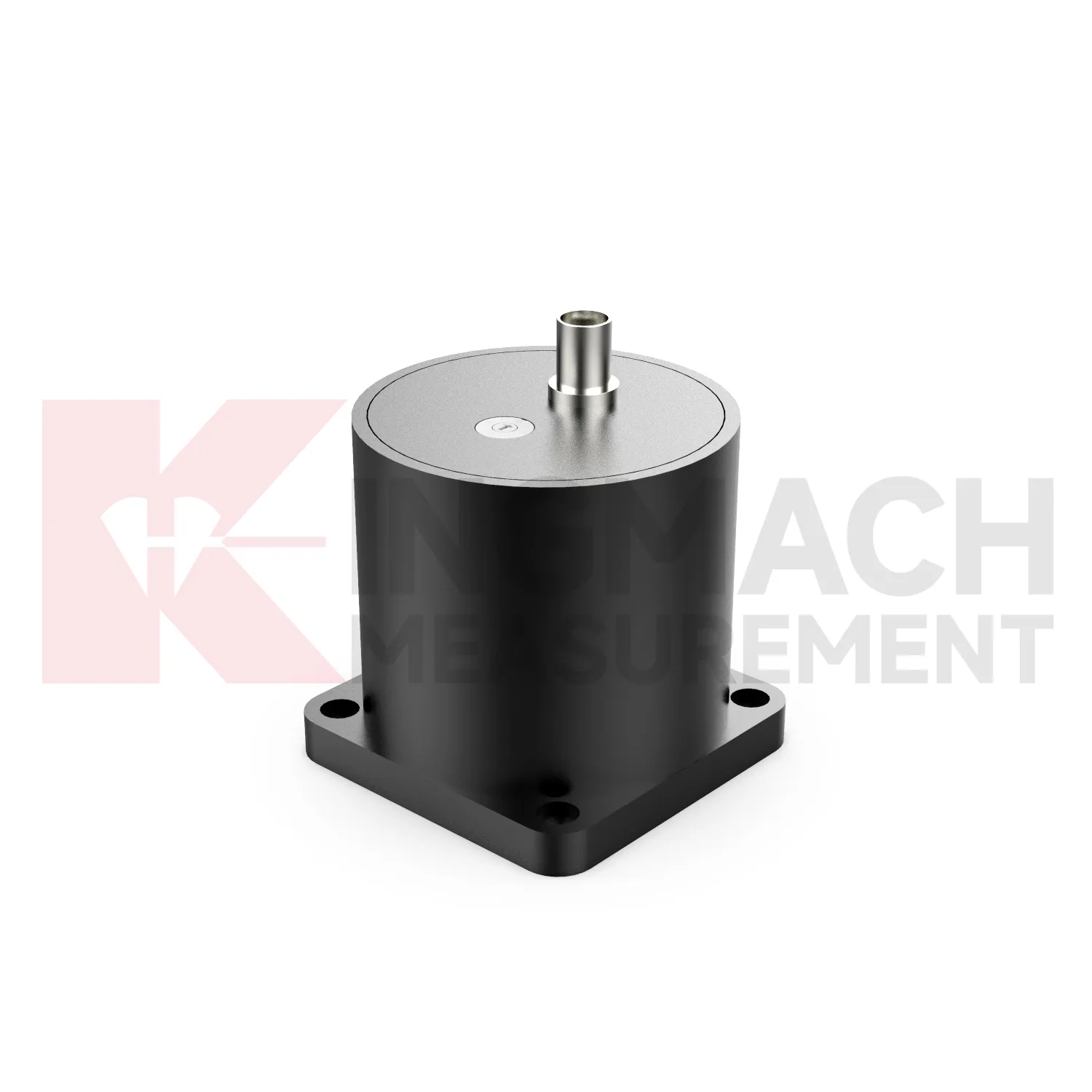
Application of vibrating sensor
Bridge projects use Kingmach vibrating sensor to understand deck response, cable vibration, pier movement, and behavior during traffic, wind, impact, or maintenance activity. Acceleration data can help identify frequency changes and abnormal vibration patterns that visual inspection may miss. For cable-supported bridges, vibration response may also support cable force review when the test method is configured correctly. The monitoring plan should tie each point to a structural member, axis direction, event type, and analysis method. Acceleration should be reviewed with strain, displacement, tilt, temperature, wind, and traffic records when available. A bridge may vibrate normally during heavy traffic or high wind, but the same motion under quiet conditions can mean something different. Clear event notes and linked data help engineers make that distinction.
Bridge work also needs a careful separation between local and global response. A sensor near a cable anchorage, bearing seat, pier cap, or deck panel may tell a different story from a point at midspan. The report should identify the structural member, not just the bridge name, so reviewers know which part of the bridge produced the signal.
For long-term bridge operation, repeated vibration records can become a reference library. Engineers can compare similar traffic, wind, or maintenance events and see whether the response remains familiar. If a new event no longer matches that history, the team has a better reason to inspect the related member.
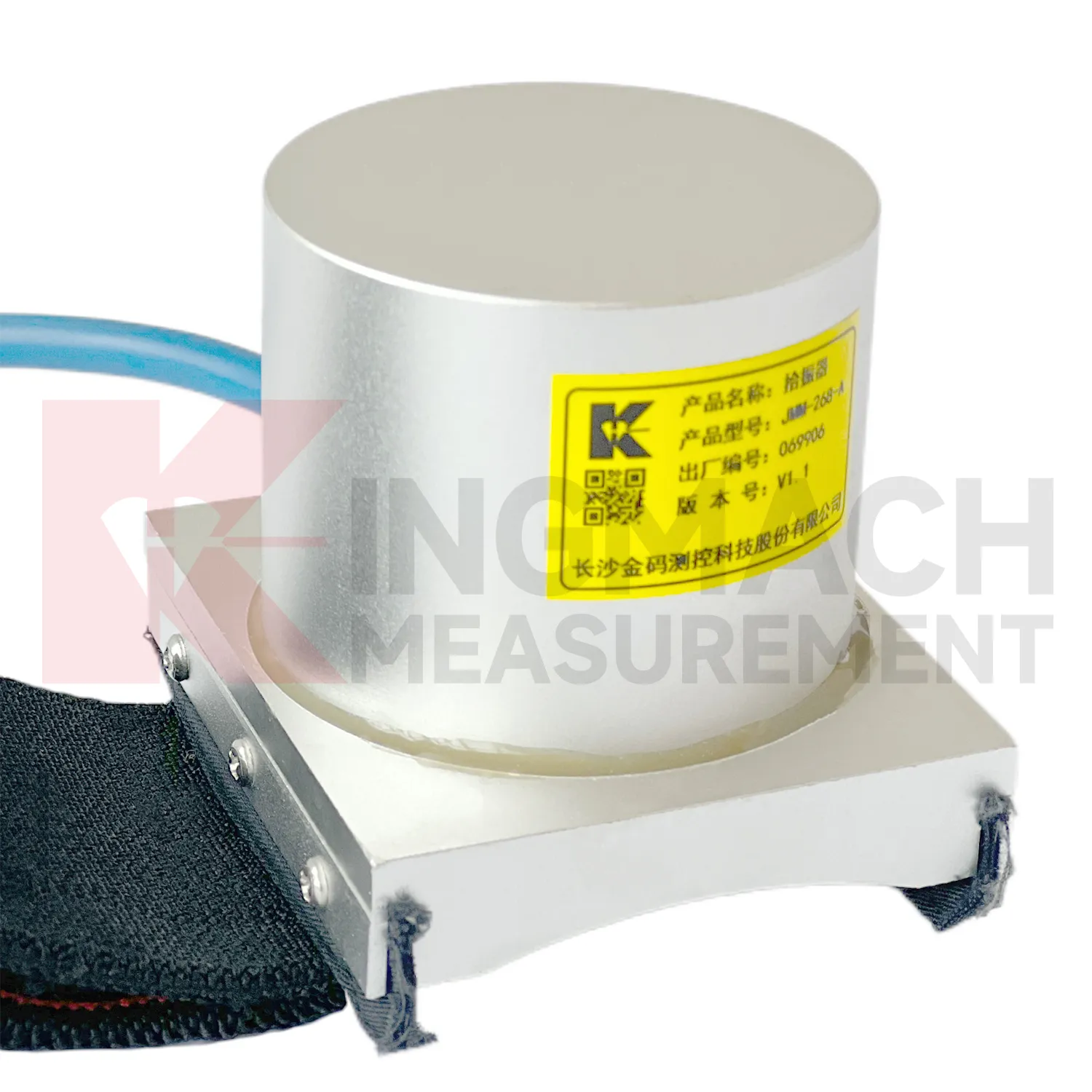
The future of vibrating sensor
The future of Kingmach vibrating sensor will make long-term asset records more useful. Dynamic response can change as a bridge ages, a cable is adjusted, a machine foundation settles, or a building is modified. When acceleration records are stored with event notes, maintenance history, and related sensor data, owners can compare present behavior with past behavior. That long view helps separate one-time events from gradual change. A mature monitoring record turns vibration measurement into part of asset management. It also helps teams decide whether to inspect, continue observing, adjust equipment, or compare a new event with an earlier one.
Future asset records should preserve examples of normal behavior, not only alarms. A bridge, tunnel, machine base, or building floor may have a familiar vibration pattern during routine operation. Keeping those examples helps reviewers judge whether a later event is genuinely new.
This long view also supports budgeting. If certain points show repeated events after maintenance, weather, or operating changes, owners can plan inspection and repair work around evidence rather than reacting to isolated traces.
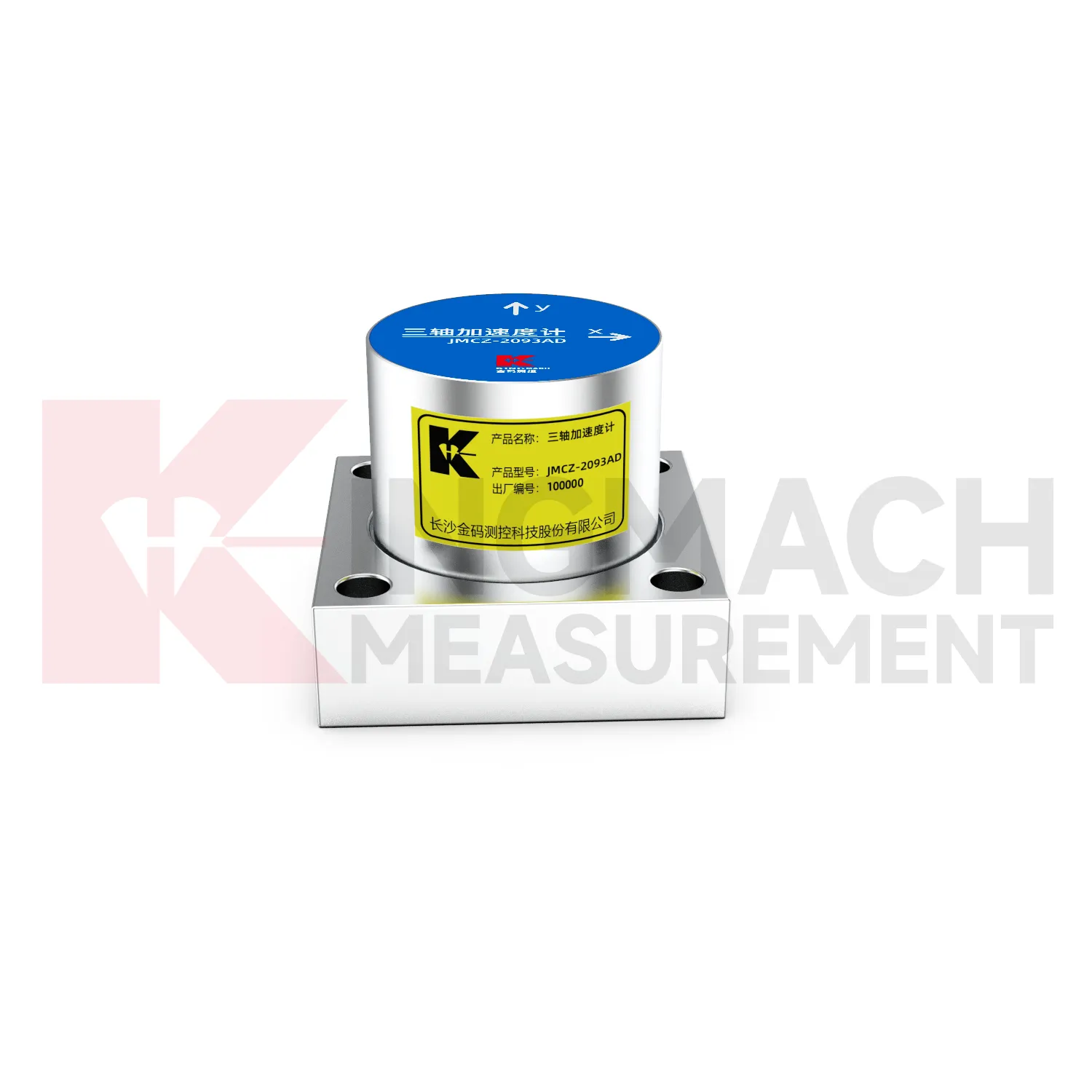
Care & Maintenance of vibrating sensor
Data review is part of maintaining Kingmach vibrating sensor. Look for impossible jumps, flatlines, clipping, repeated noise, missing events, or disagreement between nearby sensors. Compare acceleration records with strain, displacement, tilt, wind, traffic, machinery state, or construction logs when possible. A vibration trace should not be judged in isolation. If an alarm appears, first confirm sensor condition, mounting, cable status, event timing, and related records. This disciplined review helps teams separate real structural response from measurement trouble. It also gives maintenance teams a clear path for deciding whether to inspect the point or the asset.
Reviewers should keep a short decision note with abnormal records. The note can state whether the event matched expected operation, whether another sensor confirmed it, whether field inspection was requested, and whether the point itself needed maintenance. That note is often more useful later than a raw curve alone.
For recurring vibration, trend review should compare similar operating conditions rather than unrelated events. A train passage, machine start-up, blast, and wind event should not be mixed into one judgment unless the report explains why they are comparable.
Kingmach vibrating sensor
Kingmach vibrating sensor can help distinguish vibration source from vibration effect. A building may shake because of equipment, traffic, construction, wind, or foundation interaction. A bridge may respond to cable vibration, deck movement, pedestrian load, or vehicle flow. A tunnel may show different motion during excavation than during operation. Acceleration records help compare these possibilities when they are reviewed with location, direction, frequency content, and related instruments. The goal is to understand what caused the motion and whether it affects safety, comfort, maintenance, or long-term performance. A good dynamic record narrows the question instead of simply adding another graph.
A useful dynamic record needs both signal quality and site context. Mounting condition, axis direction, cable stability, acquisition timing, and event labeling all affect whether the data can support an engineering decision after review.
During interpretation, the team should compare the motion with nearby strain, displacement, tilt, load, wind, temperature, traffic, machinery, or construction notes. That wider view helps separate normal response from a pattern that needs inspection.
FAQ
Q: What is event-based vibration monitoring?
A: It records motion during traffic, wind, blasting, impact, machine operation, earthquake activity, or other defined events.
Q: What makes a useful event record?
A: A useful record includes time, sensor location, axis direction, event type, nearby site condition, and related sensor behavior.
Q: How are building vibration records interpreted?
A: They are checked against equipment operation, traffic, construction work, occupancy notes, and structural observations.
Q: How are bridge vibration records interpreted?
A: They may be compared with cable behavior, traffic, wind, strain, displacement, and inspection results.
Q: What causes misleading vibration readings?
A: Loose mounting, cable noise, wrong channel names, poor grounding, local equipment, or missing event notes can mislead reviewers.
Long-term monitoring benefits from repeatable procedure. When the same point, direction, event definition, and analysis method are preserved, new vibration records can be compared with earlier records in a defensible way.
The report should not leave the waveform isolated. It should explain what the asset was doing, why the point was measured, which event triggered interest, and what follow-up action or observation was made.
Reviews
Ryan Lewis
Fast delivery and excellent product quality. The accelerometers and tiltmeters are highly reliable. Strongly recommend this company.
Robert Taylor
The weir flow meter is well-built and delivers accurate measurements. Great value for water management applications.
Latest Inquiries
To protect the privacy of our buyers, only public service email domains like Gmail, Yahoo, and MSN will be displayed. Additionally, only a limited portion of the inquiry content will be shown.
Isabella***@gmail.comGermany
Hello, we are evaluating weir flow meters for a water management project. Please share accuracy deta...
Olivia***@gmail.comUnited States
Hello, we are currently sourcing high-precision strain gauges and load cells for a bridge monitoring...