
 EN
 ar
 bg
 hr
 cs
 da
 nl
 fi
 fr
 de
 el
 hi
 it
 ko
 no
 pl
 pt
 ro
 ru
 es
 sv
 tl
 iw
 id
 lv
 lt
 sr
 sk
 sl
 uk
 vi
 et
 hu
 th
 tr
 fa
 ms
 hy
 ka
 ur
 bn
 mn
 ta
 kk
 uz
 ku

wireless thermometer data logger
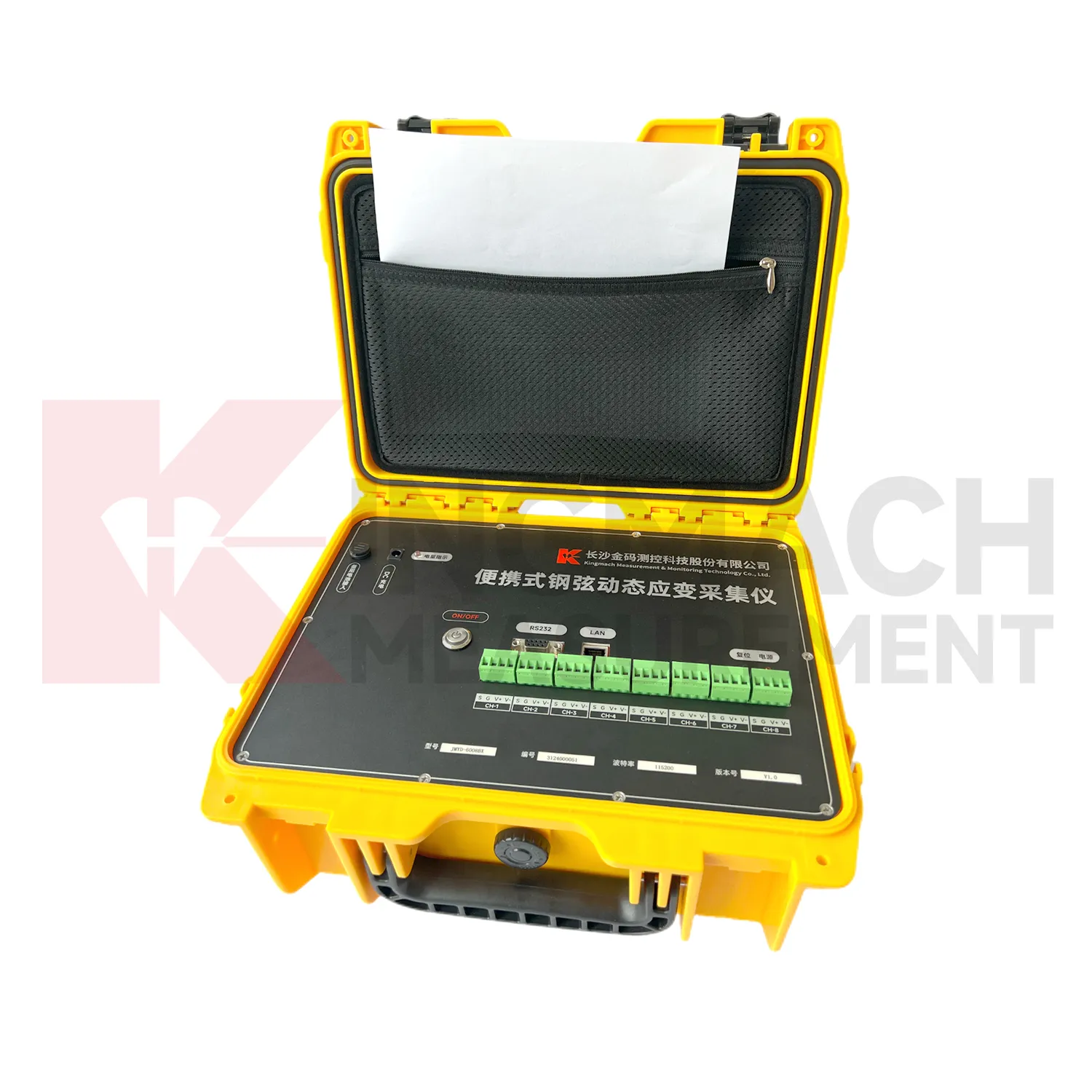
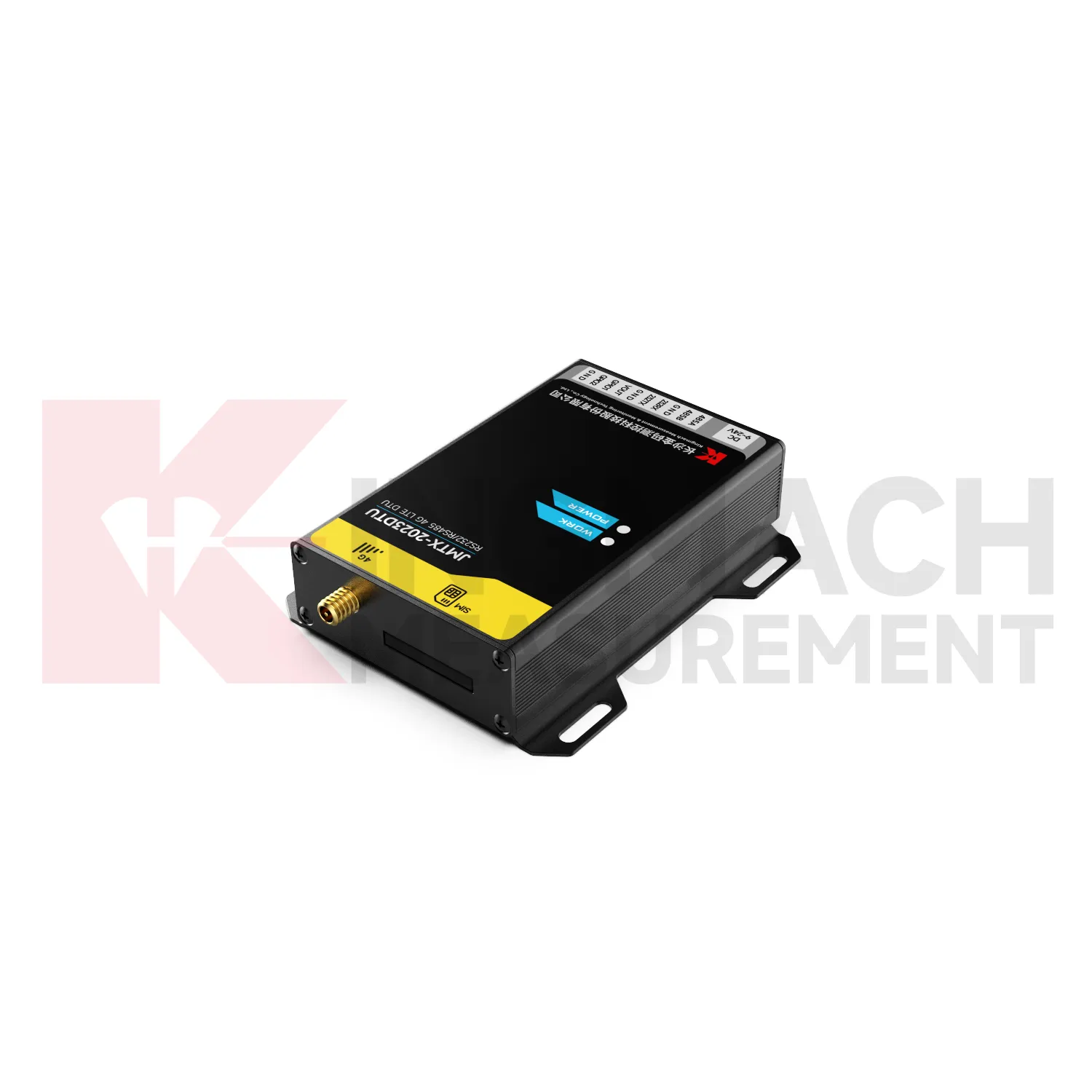
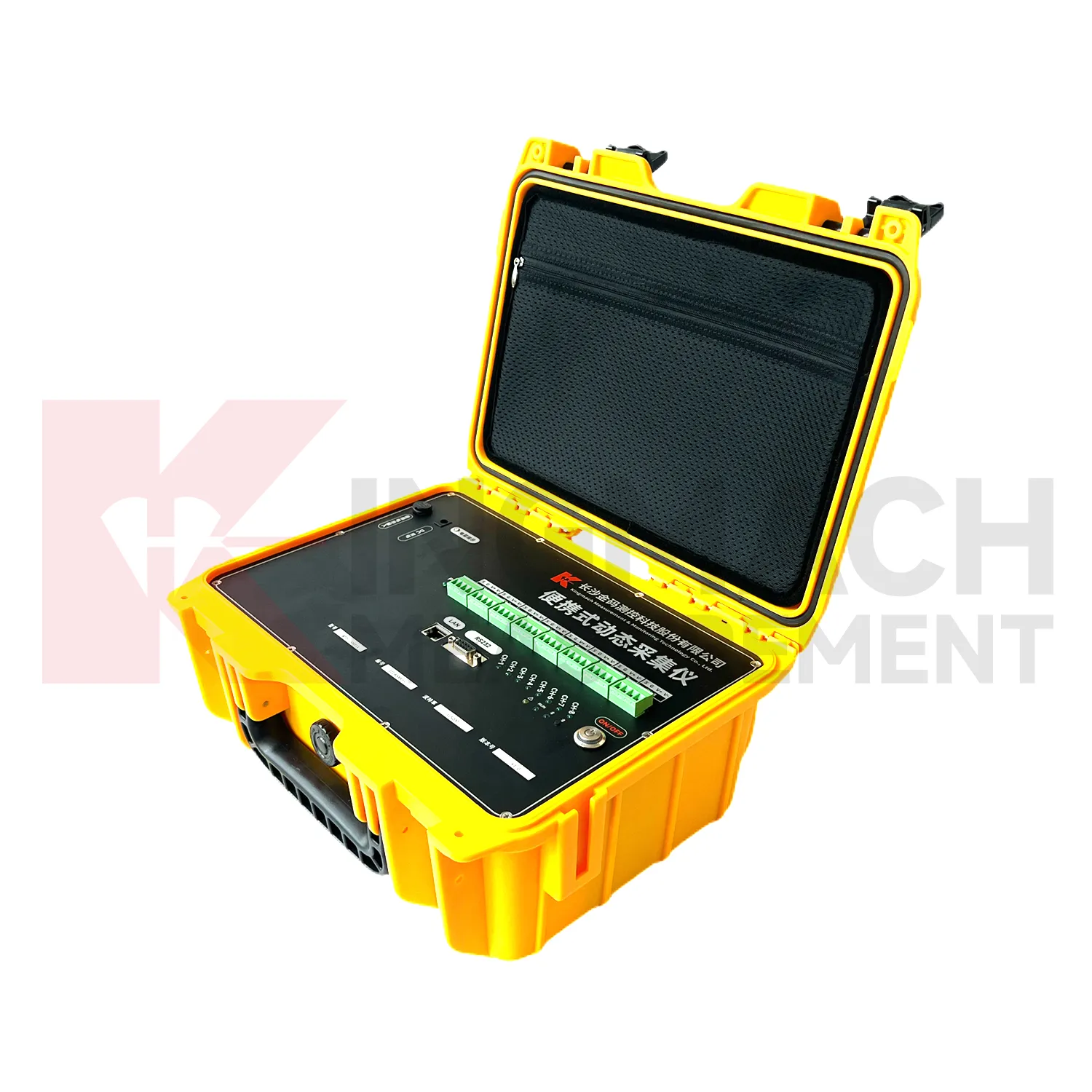
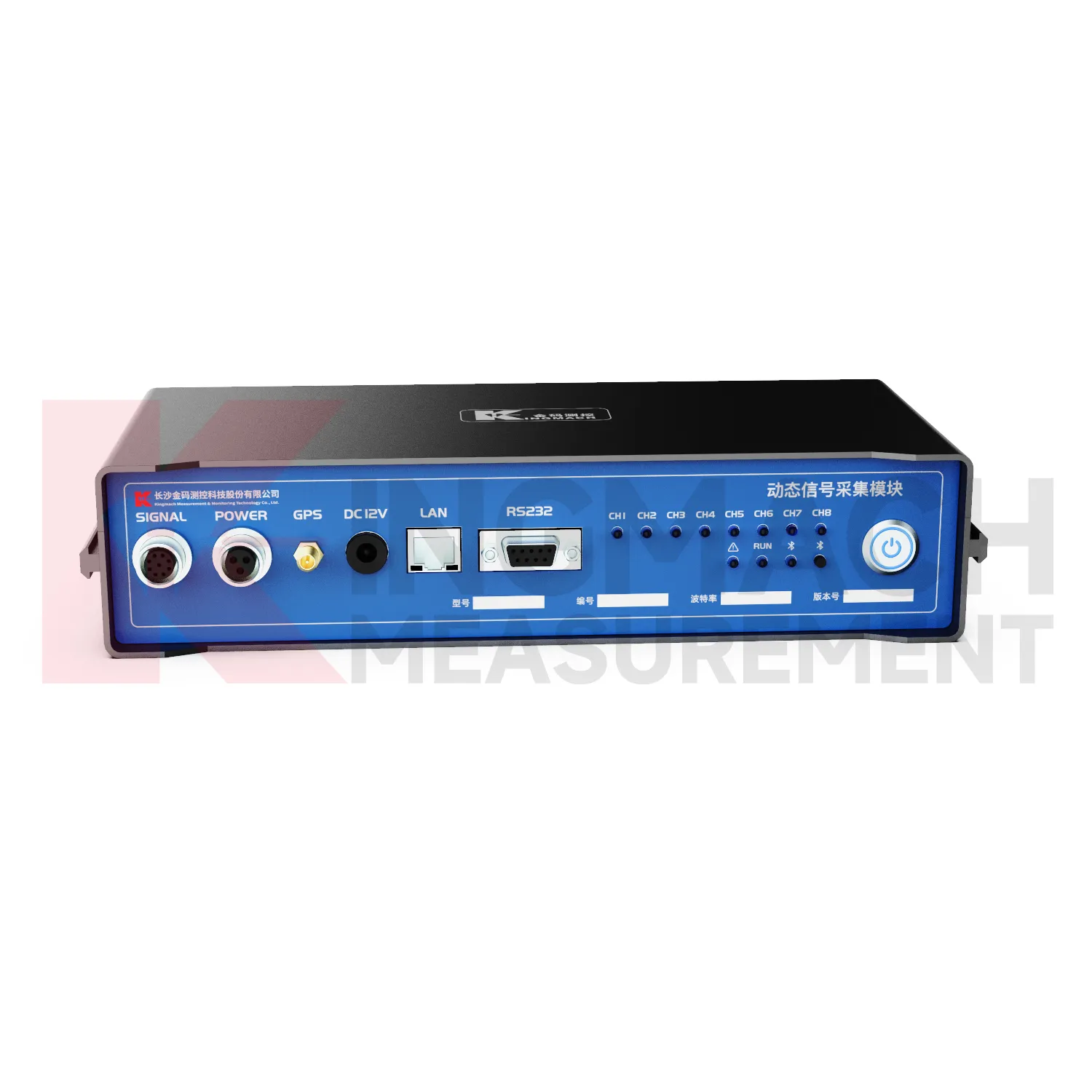
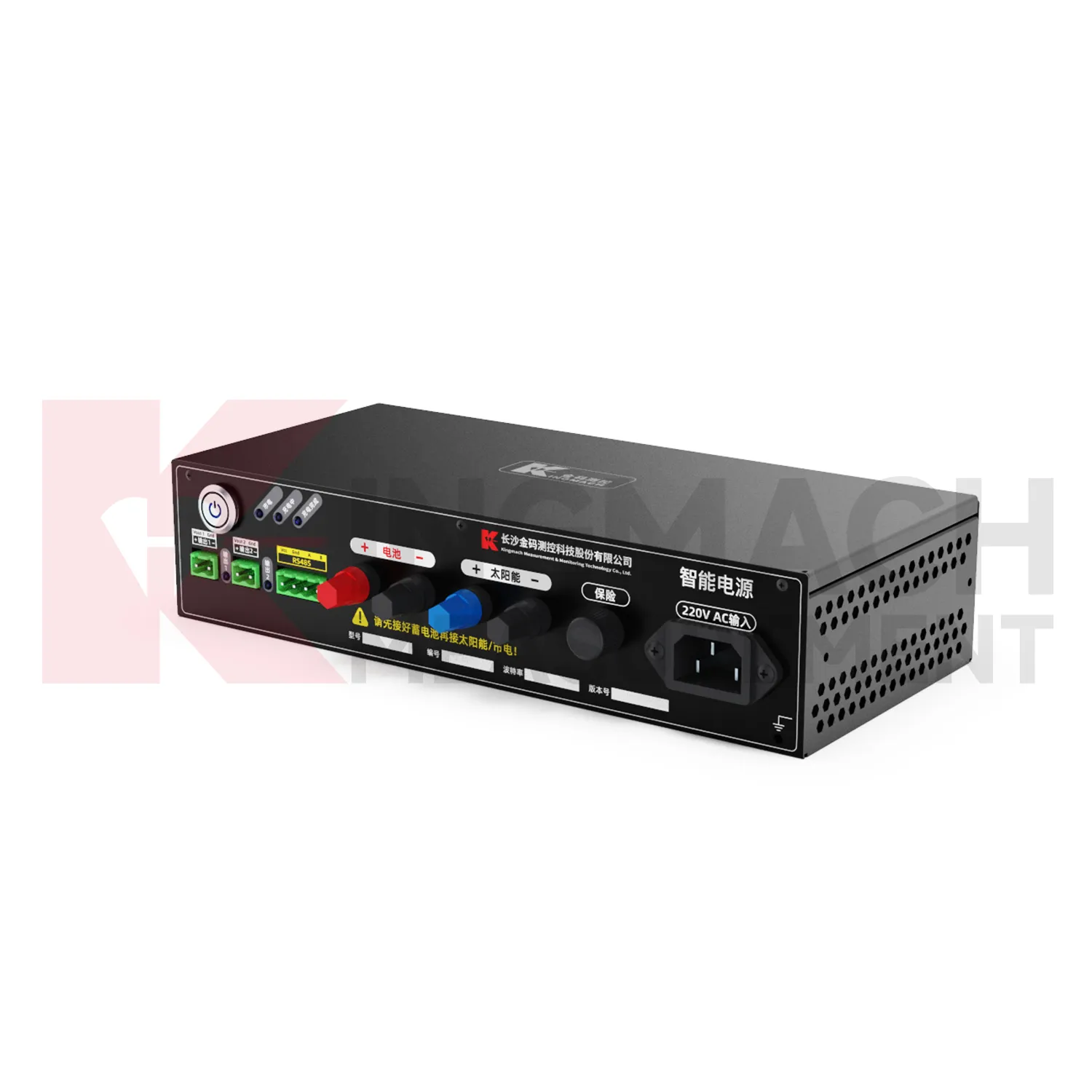
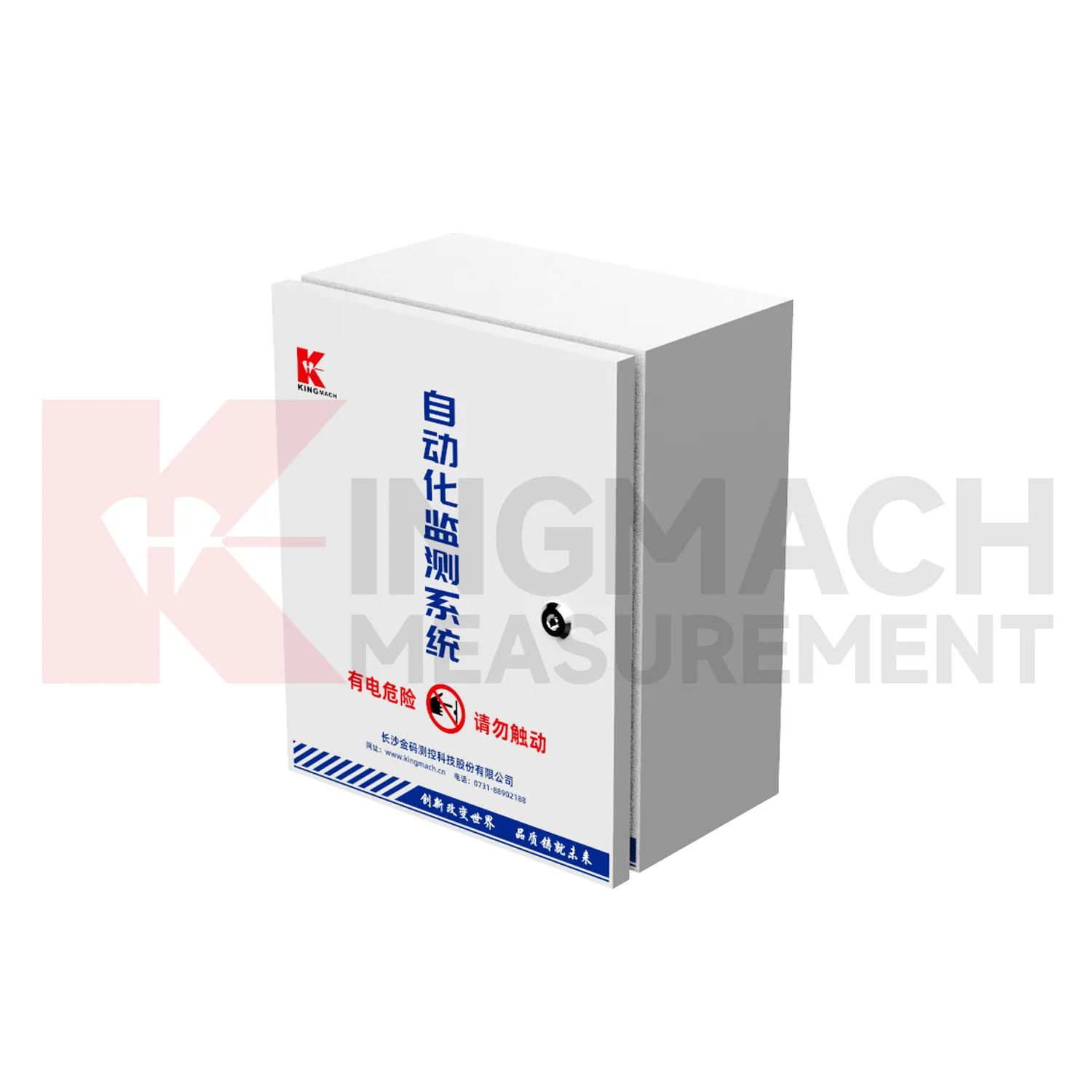
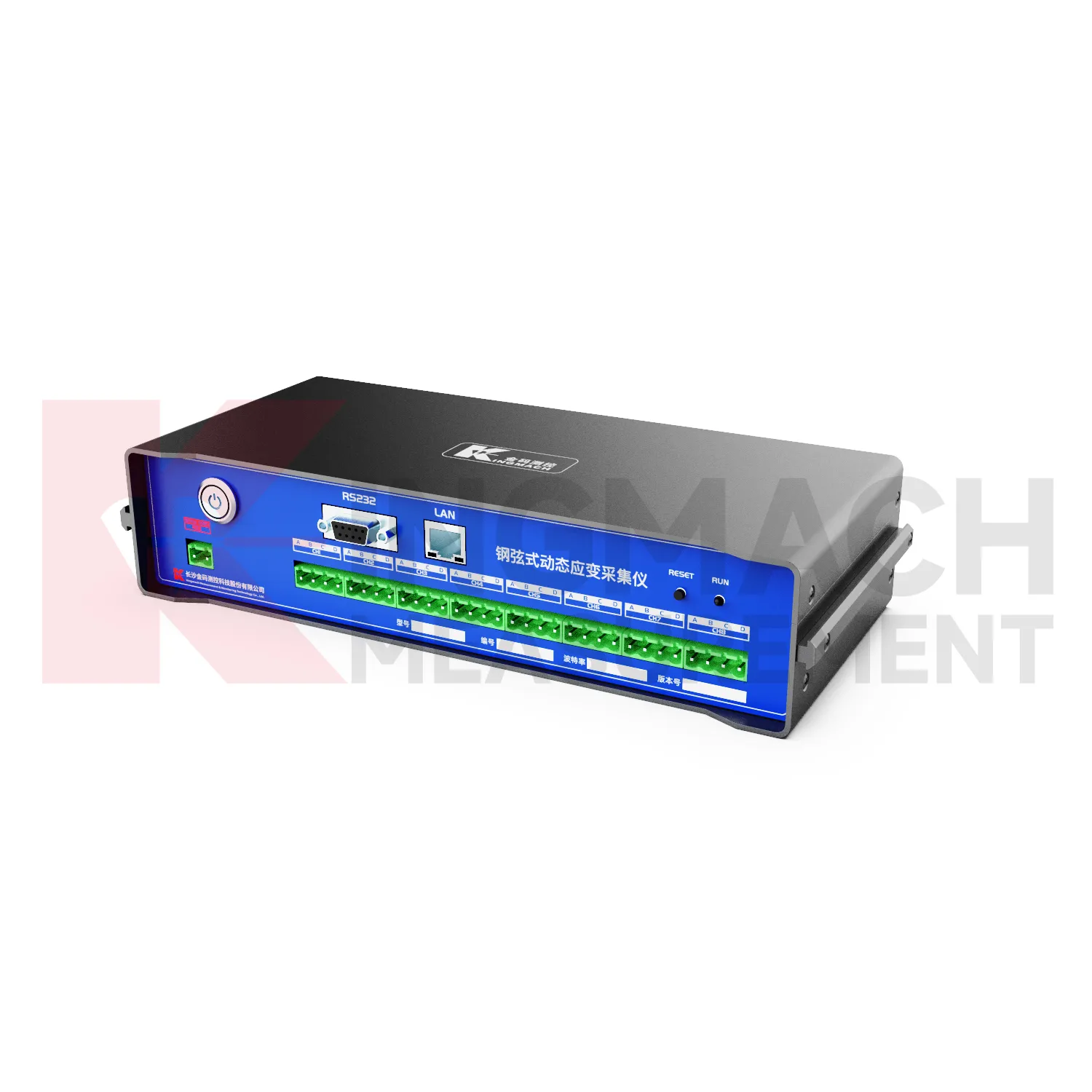
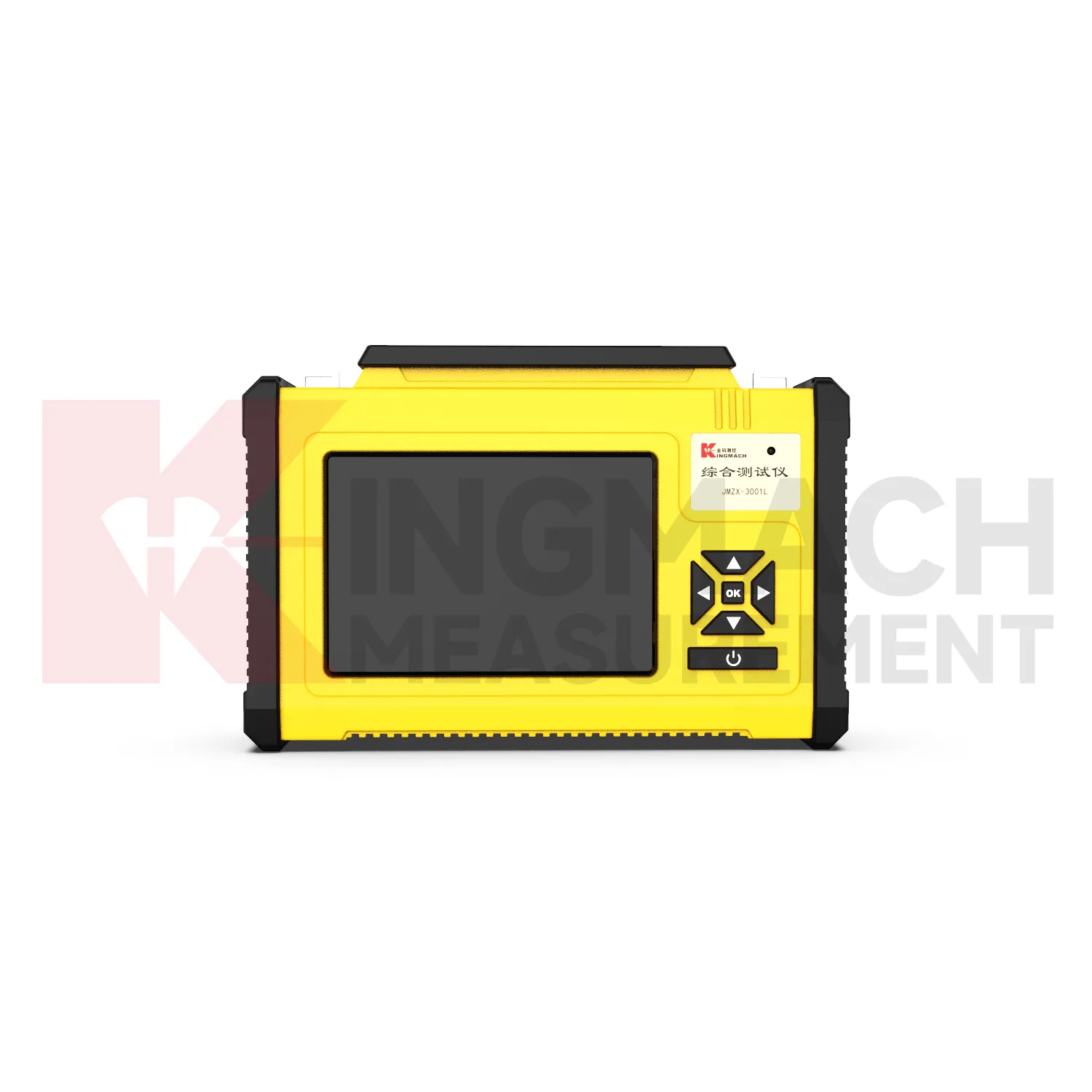
Kingmach wireless thermometer data logger help project teams balance portability, automation, and data quality. Portable instruments are easy to carry and useful for spot measurement, sensor commissioning, and temporary tests. Fixed or wireless data loggers are better for routine acquisition, unattended stations, and remote monitoring. Dynamic signal acquisition equipment is needed when the event is short or the waveform must be reviewed. The buyer should not select the device only by channel count. The better question is how the data will be collected, checked, transmitted, stored, and used by the engineer or owner. That workflow determines whether the acquisition record remains useful after installation. Portability helps field crews move quickly, but automation protects continuity when nobody is on site. High-speed capture helps short events, while scheduled logging supports slow movement and environmental change. Matching these roles prevents overbuilding a simple inspection route or under-equipping a safety station that requires continuous review. The result is a more disciplined purchase and a cleaner field workflow. Teams can select a handheld readout for verification, a wireless logger for remote duty, or dynamic acquisition for event behavior without mixing their roles. This keeps the acquisition plan aligned with field access, risk level, and reporting requirements. over time.
Application of wireless thermometer data logger
Long-term asset monitoring uses Kingmach wireless thermometer data logger when owners need records that survive staff changes and maintenance cycles. A bridge, dam, tunnel, slope, or building may keep sensors in service for years. The data logger must support stable acquisition, readable channel names, dependable storage, and practical data export. Readouts remain useful for periodic verification and repair checks. The monitoring plan should include baseline values, normal behavior examples, battery or power checks, communication status, and a clear handover file. Long-term records are most useful when they show not only values, but also the operating condition and maintenance history behind those values. Asset owners should also plan how records are reviewed after repairs, seasonal changes, platform updates, and sensor replacement. If a channel is renamed or a logger is moved, the history should explain the change. This keeps old and new records comparable. A durable acquisition workflow protects the owner from losing technical continuity when contractors, operators, or maintenance teams change over the life of the asset. This is important when monitoring contracts end but the sensors remain in service for inspection, warranty review, repair planning, or annual safety reporting. The logger history becomes part of the asset file, not a temporary construction record.
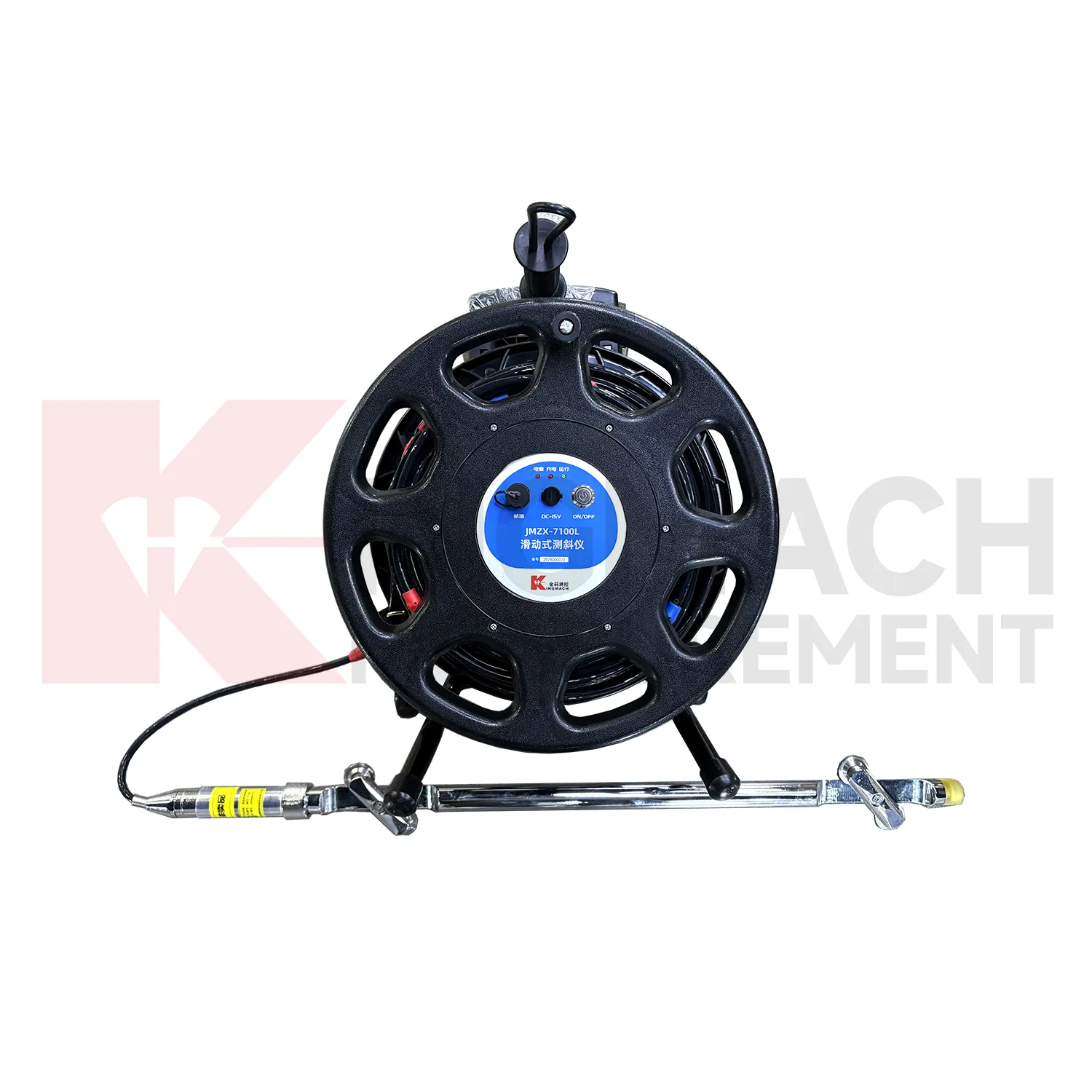
The future of wireless thermometer data logger
Future Kingmach wireless thermometer data logger will support stronger links between acquisition equipment and monitoring platforms. Readouts and loggers will remain physical field devices, but the value of the record increases when data can move into review systems without losing channel identity or site context. Stable export, wireless upload, remote update, and platform naming discipline will become more important. This direction helps owners maintain continuous records across portable checks, fixed stations, dynamic tests, and long-term monitoring dashboards. Platform integration should also protect field meaning. A channel uploaded from a remote logger should still show its structure, sensor type, acquisition interval, and maintenance state inside the review system. If that identity is lost, the dashboard may look complete while the engineering meaning becomes weak. Future acquisition planning should therefore treat device configuration and platform naming as one connected task. This will reduce manual cleanup after data export and improve long-term traceability. for owners. clearly.
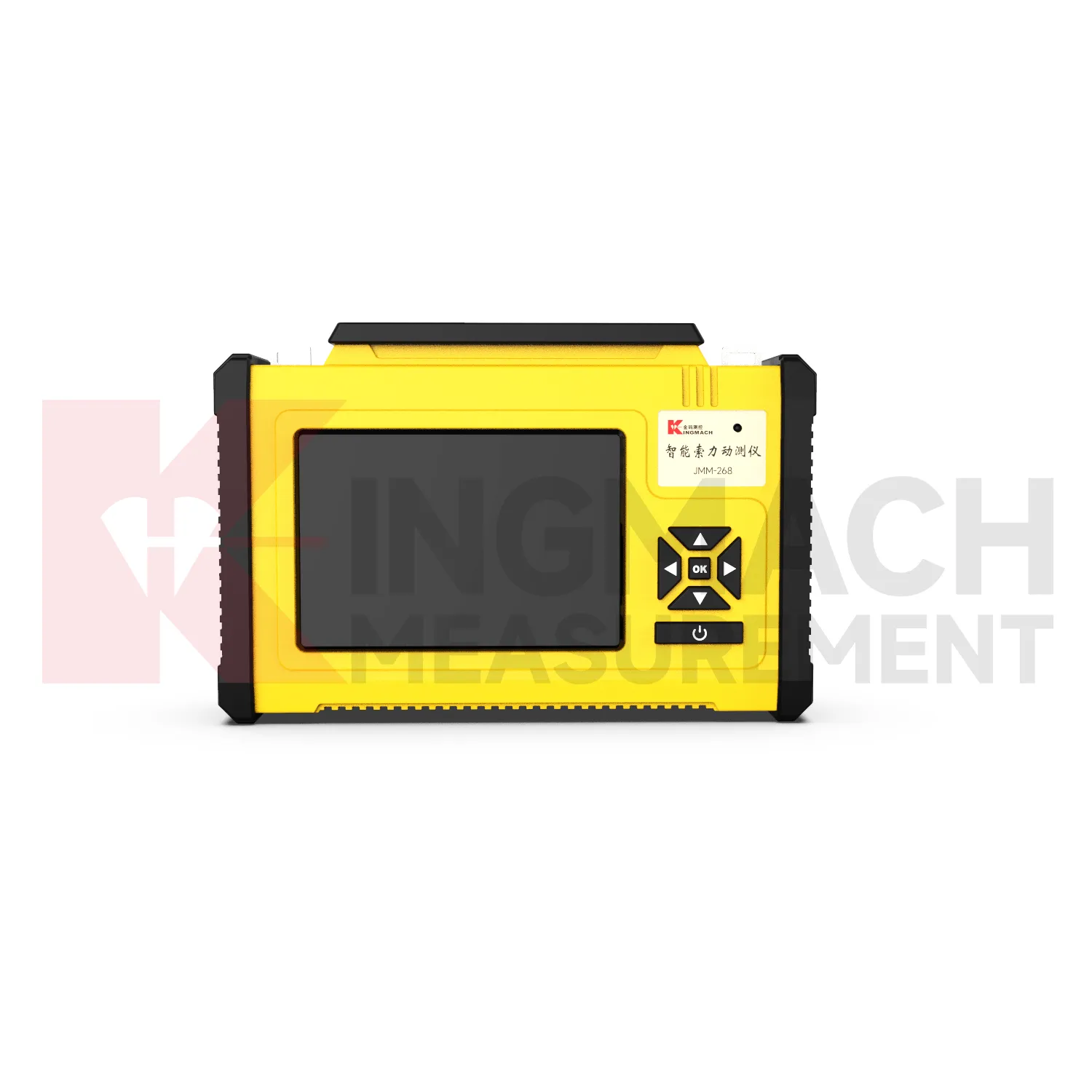
Care & Maintenance of wireless thermometer data logger
Dynamic acquisition maintenance for Kingmach wireless thermometer data logger should focus on timing, synchronization, and signal condition. Check channel connections, grounding, sampling settings, event names, trigger rules, and storage capacity before a test. Dynamic records are difficult to repeat when the event is train passage, blasting, impact, or machinery start-up. After the test, save raw data, event notes, sensor positions, and any abnormal site activity. This maintenance discipline helps engineers interpret the waveform and compare repeated events without uncertainty about the acquisition setup. Before the next test, review whether the previous event was captured cleanly. If a channel clipped, drifted, lost connection, or showed unexpected noise, correct the setup before relying on another event. Dynamic maintenance is therefore part of test quality, not only equipment care. The maintenance file should include sampling settings, trigger notes, cable condition, sensor mounting status, and storage location for raw files. These details help engineers repeat the test method later and compare event records under similar conditions.
Kingmach wireless thermometer data logger
Kingmach wireless thermometer data logger help bridge the gap between measurement hardware and engineering decisions. Sensors create signals, but owners and contractors need records that can be reviewed, exported, compared, and explained. A readout may confirm installation quality during a short site visit. A wireless logger may keep recording through rain, night work, or restricted access. A dynamic acquisition unit may capture synchronized events that ordinary slow logging would miss. These roles are different, yet they share the same purpose: keeping sensor information traceable. The best acquisition plan defines power, channel count, communication method, storage duty, and data review before instruments are installed. Once those details are defined, the team can decide which device belongs at each point. A temporary test may need a portable unit, while a remote slope station may need low-power upload and local storage. Matching device role to monitoring purpose makes the record easier to trust. across the project lifecycle.
FAQ
Q: What are Readouts & Data Loggers used for?
A: They collect, display, store, and transfer sensor readings so engineering teams can review monitoring data from structural, geotechnical, and industrial projects.
Q: How are readouts different from data loggers?
A: Readouts are often used for field checking and portable measurement, while data loggers support automatic acquisition, scheduled records, and longer monitoring periods.
Q: Which sensors can be connected?
A: The category can support vibrating wire sensors, digital RS485 sensors, temperature points, dynamic signals, strain instruments, displacement sensors, tilt sensors, and other monitoring devices depending on the model.
Q: Why is channel naming important?
A: Clear channel names connect each reading with the correct sensor, location, structure, and review purpose, which prevents confusion during reporting and handover.
Q: What should be checked before purchase?
A: Buyers should define sensor type, channel count, acquisition interval, power supply, communication method, storage needs, site access, and reporting workflow.
Reviews
Robert Taylor
The weir flow meter is well-built and delivers accurate measurements. Great value for water management applications.
Ryan Lewis
Fast delivery and excellent product quality. The accelerometers and tiltmeters are highly reliable. Strongly recommend this company.
Latest Inquiries
To protect the privacy of our buyers, only public service email domains like Gmail, Yahoo, and MSN will be displayed. Additionally, only a limited portion of the inquiry content will be shown.
Sophia***@gmail.comUnited Kingdom
Good day, we need environmental monitoring sensors including temperature, humidity, and wind sensors...
Emma***@gmail.comCanada
Dear Sir/Madam, we are interested in displacement transducers and settlement sensors for a geotechni...
Related product categories
- Industrialgrade Central Acquisition Module
- Lowpower Central Acquisition Module
- Highprecision Central Acquisition Module
- Multitype Signal Central Acquisition Module
- RS485 Highspeed Bus Acquisition Module
- Digital Highspeed Bus Acquisition Module
- Vibrating Wire Signal Acquisition System
- Portable Dynamic Signal Acquisition Unit
- Central Acquisition Expansion Module
- Central Data Acquisition Host
- Intelligent Power Module
- Digital Intelligent Power Module