
 EN
EN
 ar
ar bg
bg hr
hr cs
cs da
da nl
nl fi
fi fr
fr de
de el
el hi
hi it
it ko
ko no
no pl
pl pt
pt ro
ro ru
ru es
es sv
sv tl
tl iw
iw id
id lv
lv lt
lt sr
sr sk
sk sl
sl uk
uk vi
vi et
et hu
hu th
th tr
tr fa
fa ms
ms hy
hy ka
ka ur
ur bn
bn mn
mn ta
ta kk
kk uz
uz ku
ku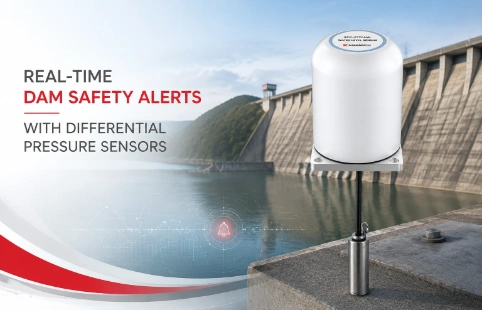
Real-Time Dam Safety Alerts with Differential Pressure Water Level Sensors
Key Takeaways An alert chain needs more than a sensor: define field in...

Cable Force Measuring Instrument for Reliable Tension Monitoring
When a bridge stay cable needs re-tensioning, or a guyed mast shows unexpected sway, knowing the actual force in the cables is what separates guesswork from informed decisions. A cable force measuring instrument answers that directly—using vibration frequency analysis to convert a tap or ambient wind into a tension reading. No heavy hydraulic jacks, no embedded load cells that may have drifted. Just a field-ready device and the physics of a taught string. Kingmach has been supplying these instruments to monitoring teams, construction firms, and asset managers who work on structures where cable loads matter. Their approach leans toward practicality: instruments that function in rain, cold, and after a long truck ride to the site—backed by a technical team that handles calibration queries without fuss. Instead of a one-size-fits-all black box, you’ll find a range of sensors and data collectors that can be adapted for permanent monitoring arrays or spot checks during load tests. The point is to get the reading, log it, and move on—without the instrument making the job harder.
Technical Detail
The core of a cable force measuring instrument is the relationship between tension and natural frequency. Tap the cable, measure the response, apply a formula that accounts for length, mass per unit length, and boundary conditions, and you get the force. Kingmach builds their instruments around this principle, pairing vibration sensors with portable readout units or wireless nodes. The sensors themselves are typically high-sensitivity accelerometers, chosen to capture the low-frequency vibrations of long cables as well as the higher modes of short, stiff ones. Data processing happens on the spot—a handheld unit runs the math and displays tension in kN or tons, often storing the results alongside temperature and timestamp. No laptop needed in the field. For permanent installations, the sensors connect to a datalogger that pushes readings to a central server, letting engineers spot tension loss after storms or temperature shifts. What often goes unmentioned in spec sheets: a good instrument lets you ignore bad data. Rain on a cable, a passing truck, or a hammer tap that hits a cross-tie instead of the strand—these create frequency spikes that a less refined system might misinterpret. Kingmach’s software includes filtering routines that have been refined through years of user feedback from bridge monitoring projects and tower maintenance crews. Customization is not an afterthought here. Need a sensor that fits inside a small-diameter cable duct? A readout box with a polarizer display for direct sunlight? They can do that. Their product range covers everything from handheld single-channel units to multi-channel permanent systems, and the global distribution means spare parts and calibration services are not months away. Technical support is available in a way that feels like talking to an engineer, not a script. That matters when a reading looks off and you need to know if the problem is the cable or the instrument.
News
Key Takeaways An alert chain needs more than a sensor: define field in...
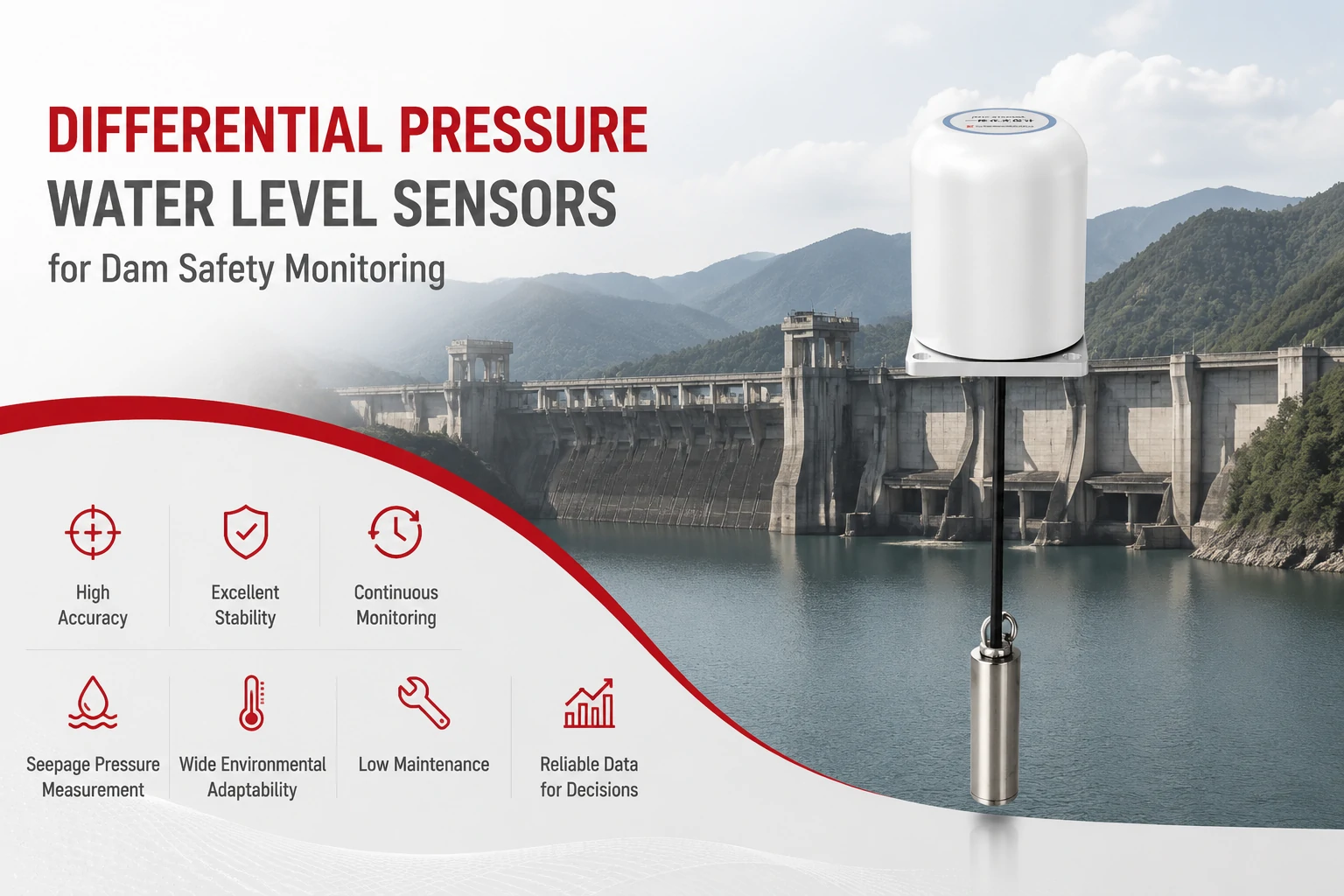
Key Takeaways The strongest fit is usually a confined, submerged, or s...
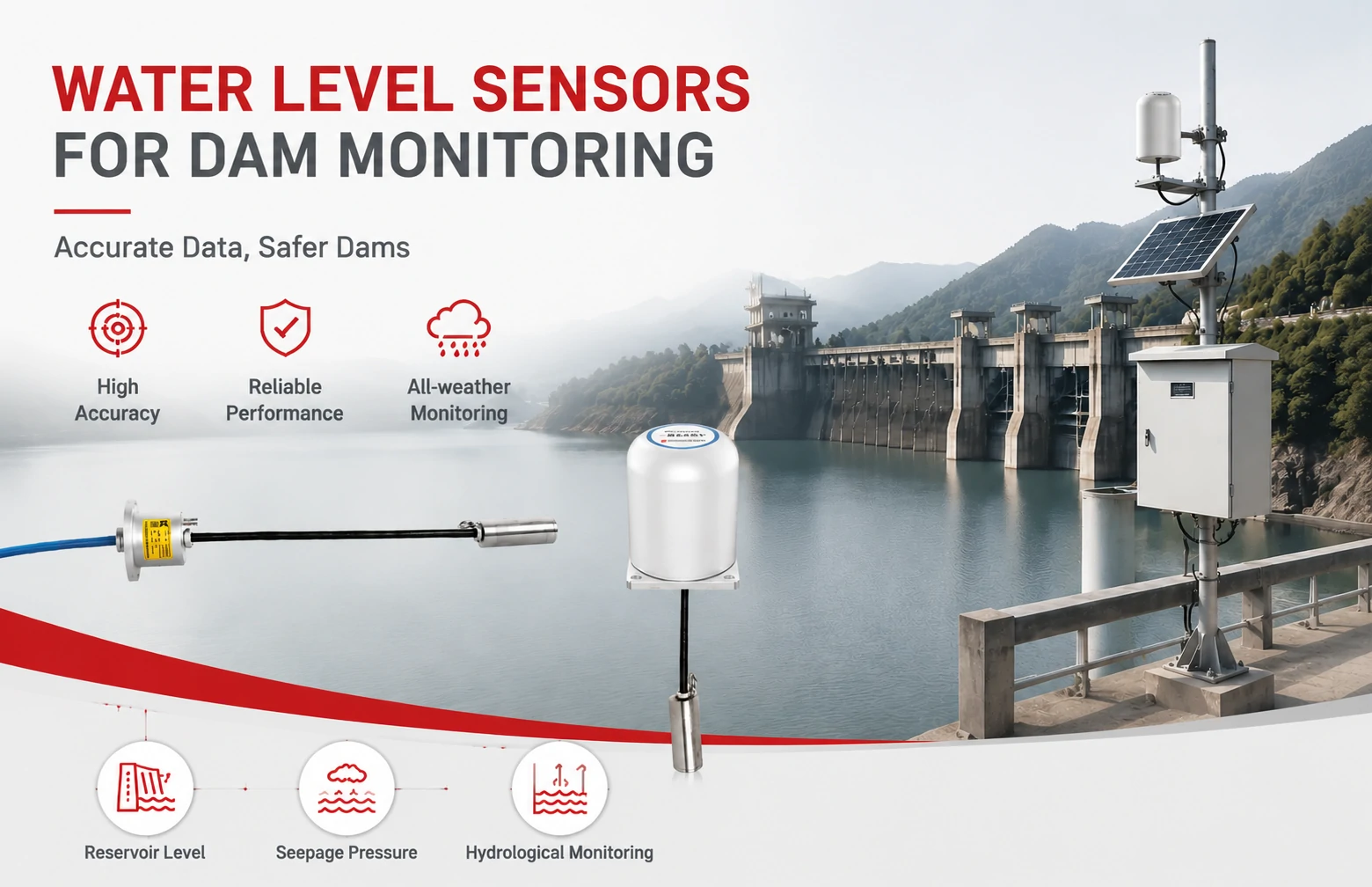
Kingmach Water Level Sensors for Dam Monitoring: A Buyer's Guide to Differential Pre...
Products
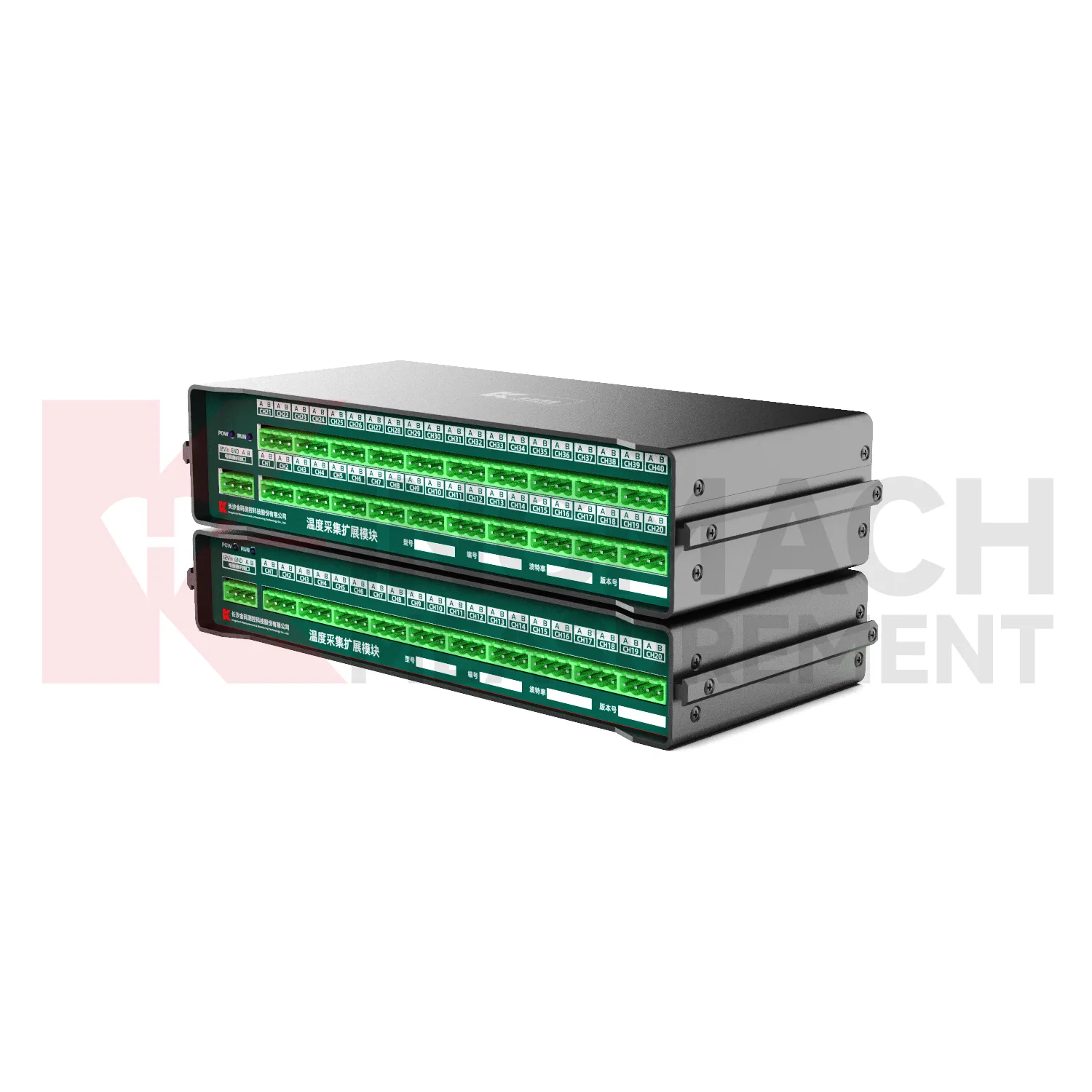
Temperature Acquisition Expansion Module JMWT-XXRTH
View Details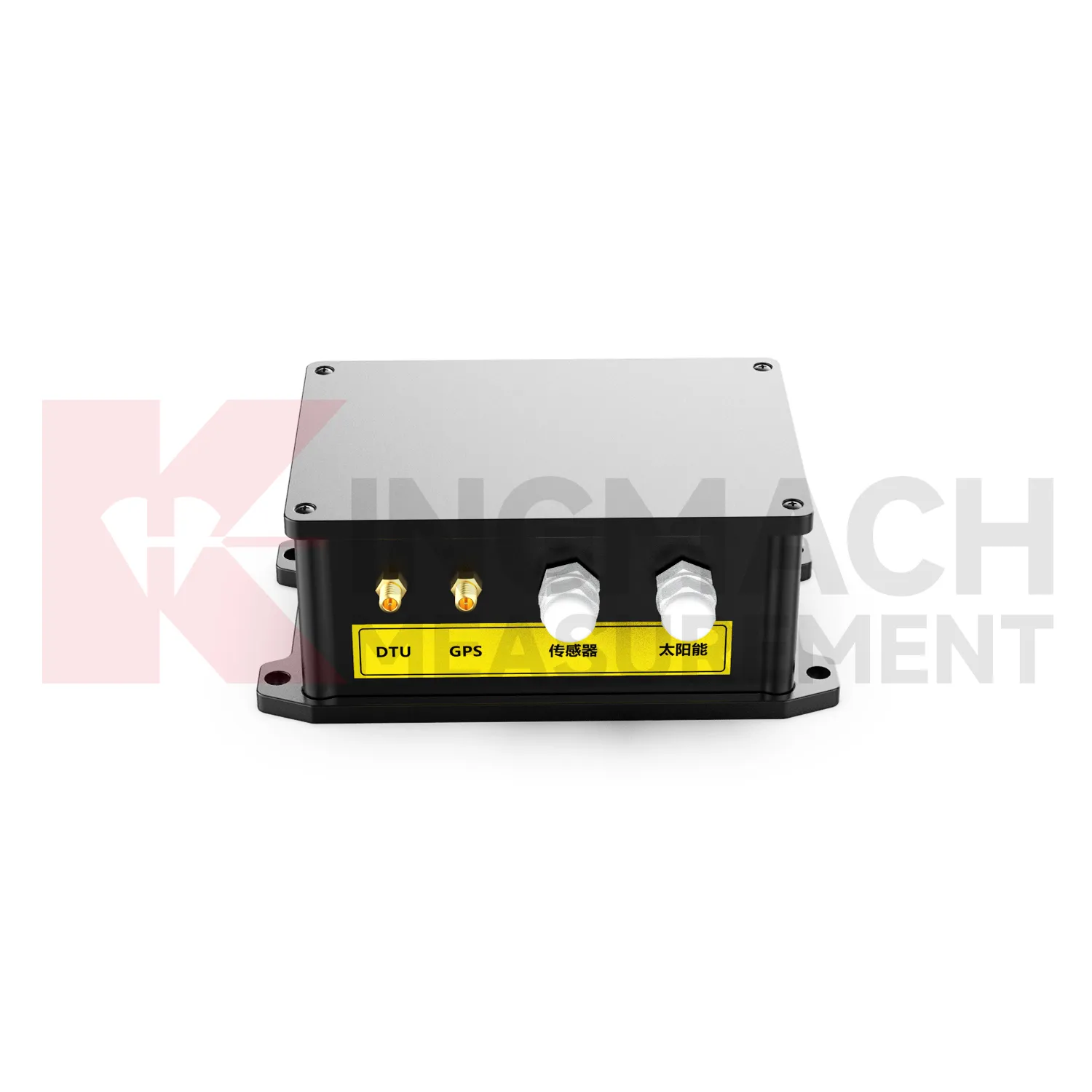
Wireless Data Logger (low power consumption design) JMWX-5RTU
View Details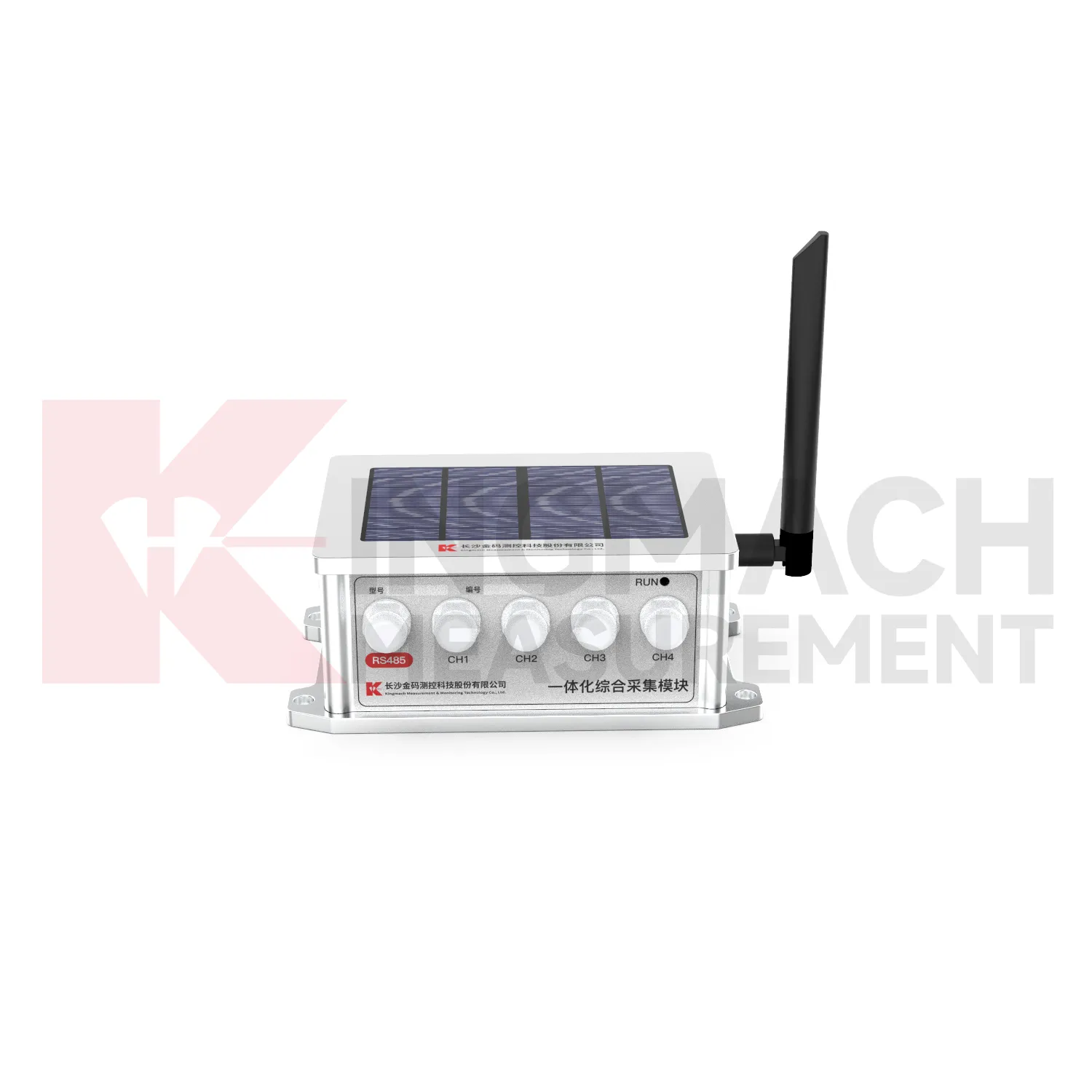
Integrated Comprehensive Acquisition Module JMZX-4/8GH-RTU
View DetailsFAQ
Generally, you tap the cable with a hammer or rely on ambient wind to make it vibrate. An accelerometer attached to the cable measures the vibration signal. The instrument then identifies the natural frequencies and calculates the tension based on the cable’s length, mass per unit length, and end conditions. It’s the same mechanical principle as tuning a guitar string, just scaled up and made rugged for field use.
Most instruments handle a range of diameters and materials, but the key is the frequency range of the sensor. A sensor that works for a 200-meter cable may have trouble with a 2-meter strand because the vibration frequencies are much higher. You often pick different sensor models from the same system. Kingmach’s lineup includes sensors optimized for both long-span bridge cables and shorter rock anchors, and the readout units are configurable to switch between parameters.
In typical field conditions, you can expect accuracy around 1–3% of the tension value, provided the cable parameters are known accurately and the boundary conditions are well-defined. That’s quite close to what you get from a well-maintained load cell, but without the installation complexity. The trickier part is usually knowing the exact cable cross-section and modulus, not the instrument itself. If you need very precise absolute values, periodic calibration against a known reference is still recommended.
Basic operation—mounting the sensor, taking a reading—is straightforward and can be picked up in half a day by someone who’s done field measurements before. Interpreting the results and troubleshooting weird vibration modes takes a bit more experience. Kingmach includes a quick-start guide with common field pitfalls (like how to avoid measuring a wind-induced cable gallop instead of the natural frequency) and offers online support when the data looks suspicious.
You would install a set of sealed sensors on the cables, route them to a datalogger or wireless hub, and set up data collection intervals. Kingmach’s permanent systems can run for months on batteries or connect to solar power, sending data via cellular or satellite. The software can trigger alerts if tension drifts outside acceptable bounds. This is common in long-term bridge health monitoring or on guyed towers where regular manual inspections are expensive.
Share your product type, target capacity, and application requirements. Our team can review the details and recommend a practical next step.
If you are interested in our products or want to become our partner.
Please leave your contact information, our team will contact you as soon as possible.
Mail: [email protected]
Contact Us: +8613808434127
Address: No. 188 Tongzipo West Rd, Changsha, Hunan, China