
 EN
EN
 ar
ar bg
bg hr
hr cs
cs da
da nl
nl fi
fi fr
fr de
de el
el hi
hi it
it ko
ko no
no pl
pl pt
pt ro
ro ru
ru es
es sv
sv tl
tl iw
iw id
id lv
lv lt
lt sr
sr sk
sk sl
sl uk
uk vi
vi et
et hu
hu th
th tr
tr fa
fa ms
ms hy
hy ka
ka ur
ur bn
bn mn
mn ta
ta kk
kk uz
uz ku
ku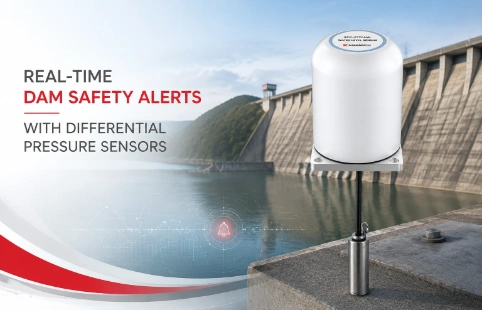
Real-Time Dam Safety Alerts with Differential Pressure Water Level Sensors
Key Takeaways An alert chain needs more than a sensor: define field in...

Central Data Acquisition Host for Field Monitoring
A central data acquisition host sits at the core of any serious field monitoring setup. In geotechnical applications, it collects readings from sensors spread across a site—be it inclinometers, piezometers, or load cells—and brings them together into one coherent dataset. Without this piece, data stays scattered and hand-collected, which costs time and invites errors. Kingmach, as a manufacturer of geotechnical instruments, builds these hosts to match the rhythm of long-term monitoring. The units are designed to handle the mix of sensor types that show up on real job sites. They run unattended for months, pushing data upstream and keeping it safe even when power dips or the weather turns. The point is not just to log numbers, but to make sure the right numbers reach the engineer without fuss.
Technical Detail
When you look inside a Kingmach central data acquisition host, a few things stand out. First, channel counts are configurable. A small slope monitoring job might need only eight channels, while a dam instrumentation scheme can call for several dozen. The hardware scales by adding modules, so you do not pay for unused capacity upfront. Second, sensor compatibility is broad. The host accepts standard analog inputs (4–20 mA, 0–5 V) and common digital protocols like Modbus RTU. Vibrating wire sensors, which dominate geotechnical work, connect directly to dedicated readout channels with built-in thermistors. Third, data storage works in layers. Each host carries non-volatile memory large enough to hold months of records at typical rates. If the uplink goes down, nothing is lost; the buffer flushes when the connection returns. On top of that, the unit logs its own health—supply voltage, internal temperature, and charging status if a solar panel is in use. In terms of communications, you will find RS-485, Ethernet, and optional 4G modems. The 4G option is popular for remote sites because it eliminates the need for a separate router. Power management is built around a wide input range, typically 9–36 V DC, and a smart charger for lead-acid batteries. This means you can feed it from a solar panel, a basic DC supply, or a combination, and the host will keep running through rainy weeks. One practical detail is the SD card slot on the front panel, which lets field technicians grab data with a simple card swap if a laptop is not handy. Setting up logging intervals and calibration factors is done through a browser-based interface, so no special software is required. Kingmach provides a brief commissioning script that helps check each channel before the crew leaves the site. The housing is an IP65 rated enclosure with gland entries, and it can bolt to a pole or mount on a wall. Overall, the host is designed to be fitted and then mostly left alone, which is what long-term monitoring demands.
News
Key Takeaways An alert chain needs more than a sensor: define field in...
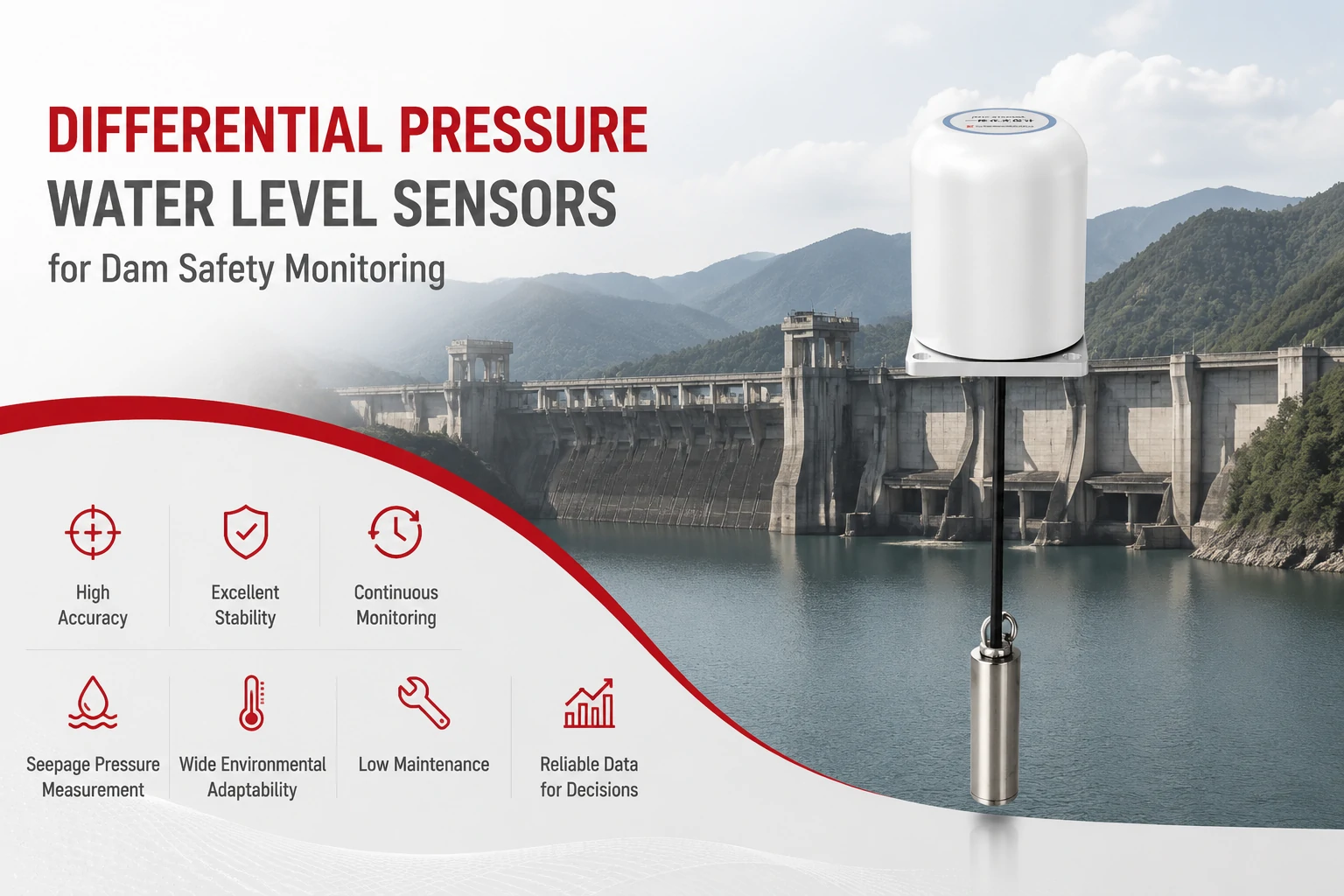
Key Takeaways The strongest fit is usually a confined, submerged, or s...
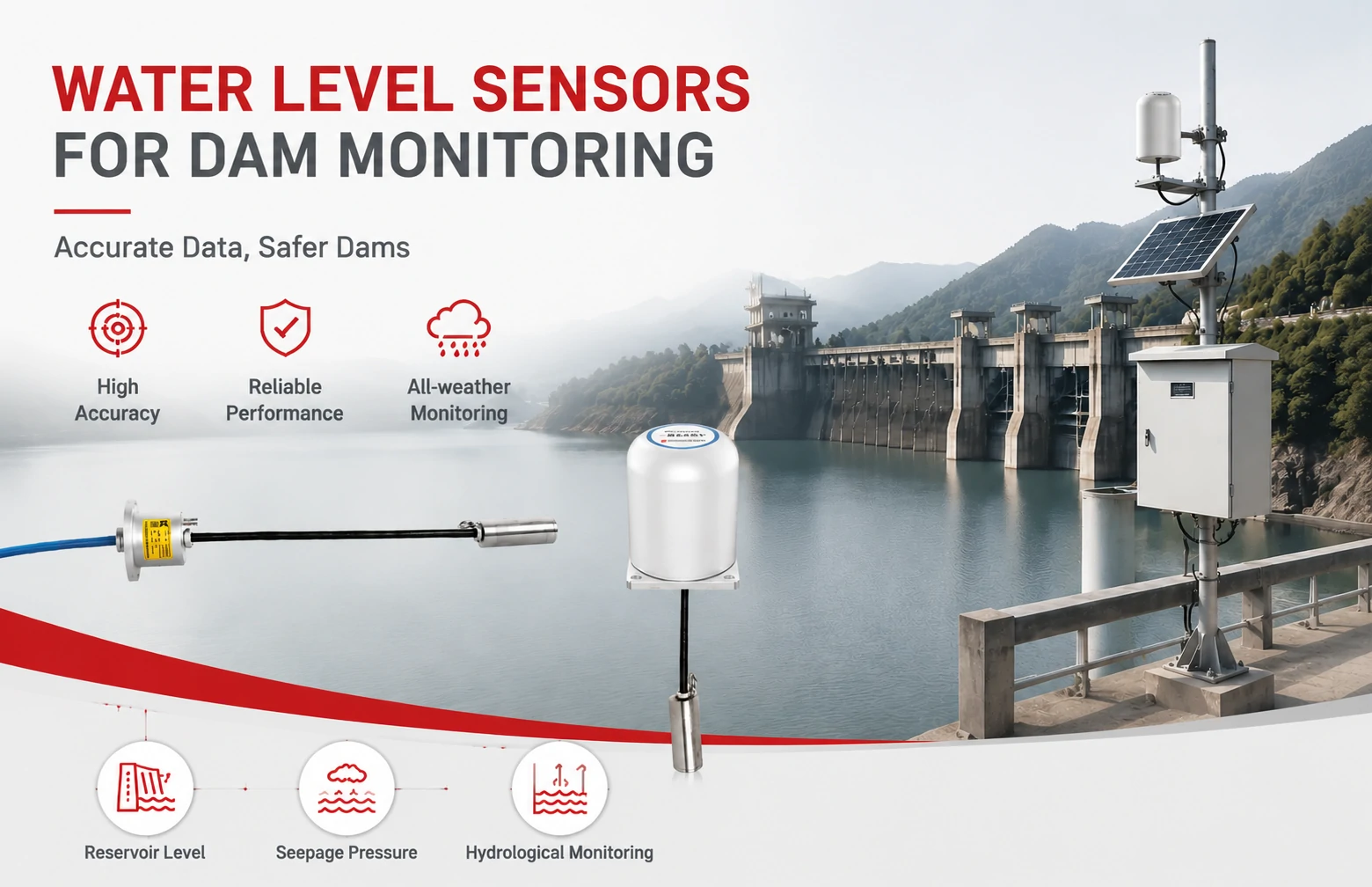
Kingmach Water Level Sensors for Dam Monitoring: A Buyer's Guide to Differential Pre...
Products
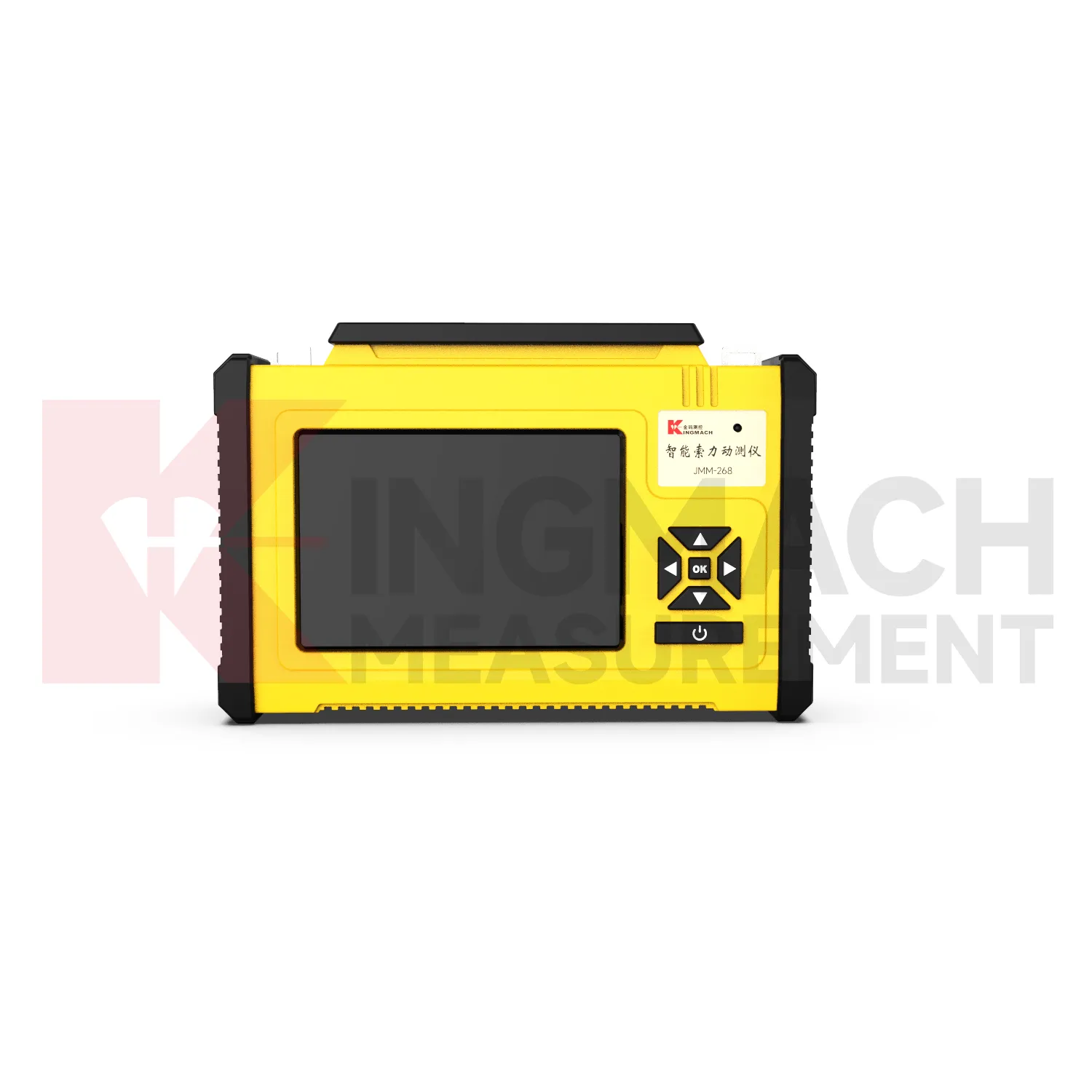
Cable force measuring instrument JMM-268L-1、2
View Details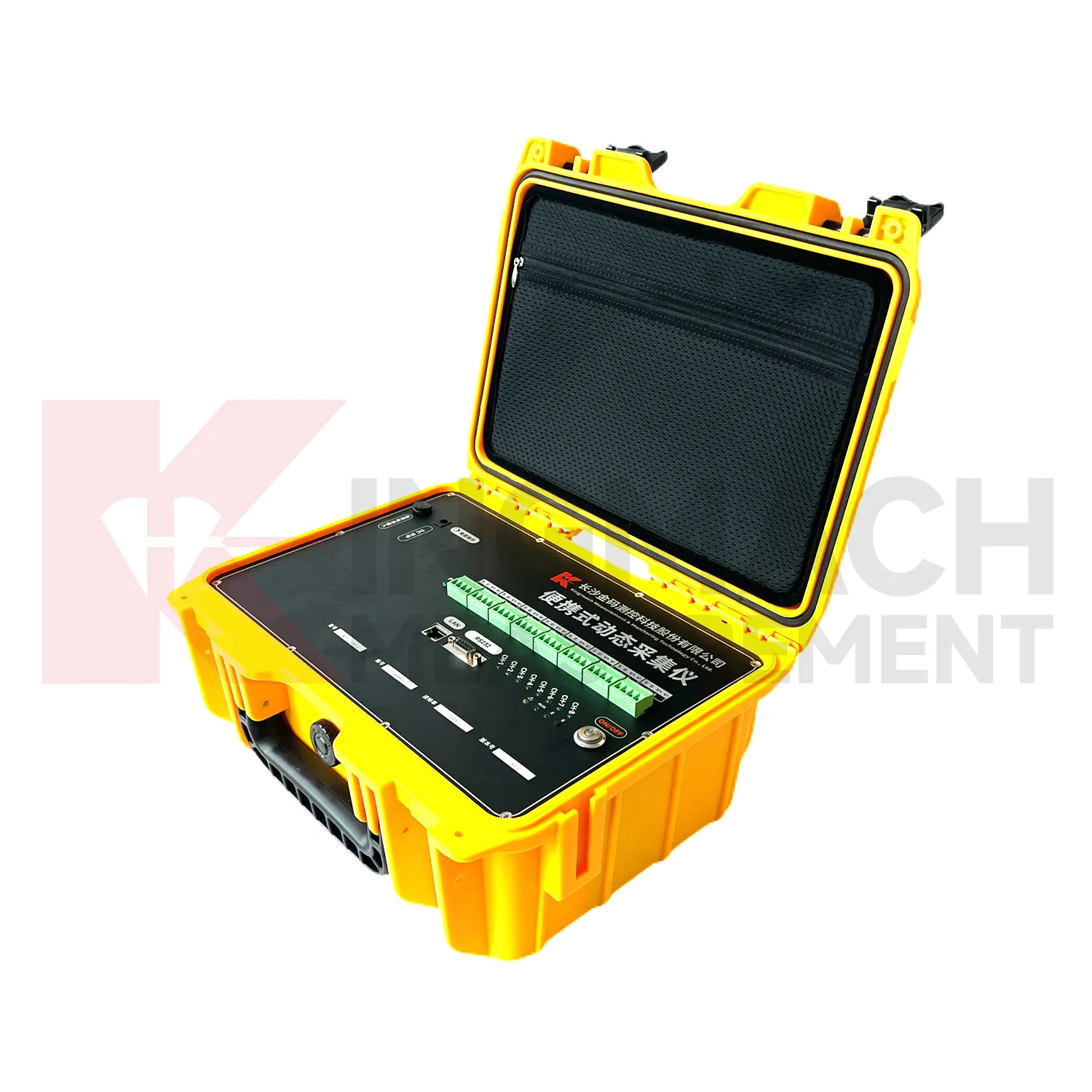
Portable Dynamic Signal Acquisition Readout JMYS-1008BX
View Details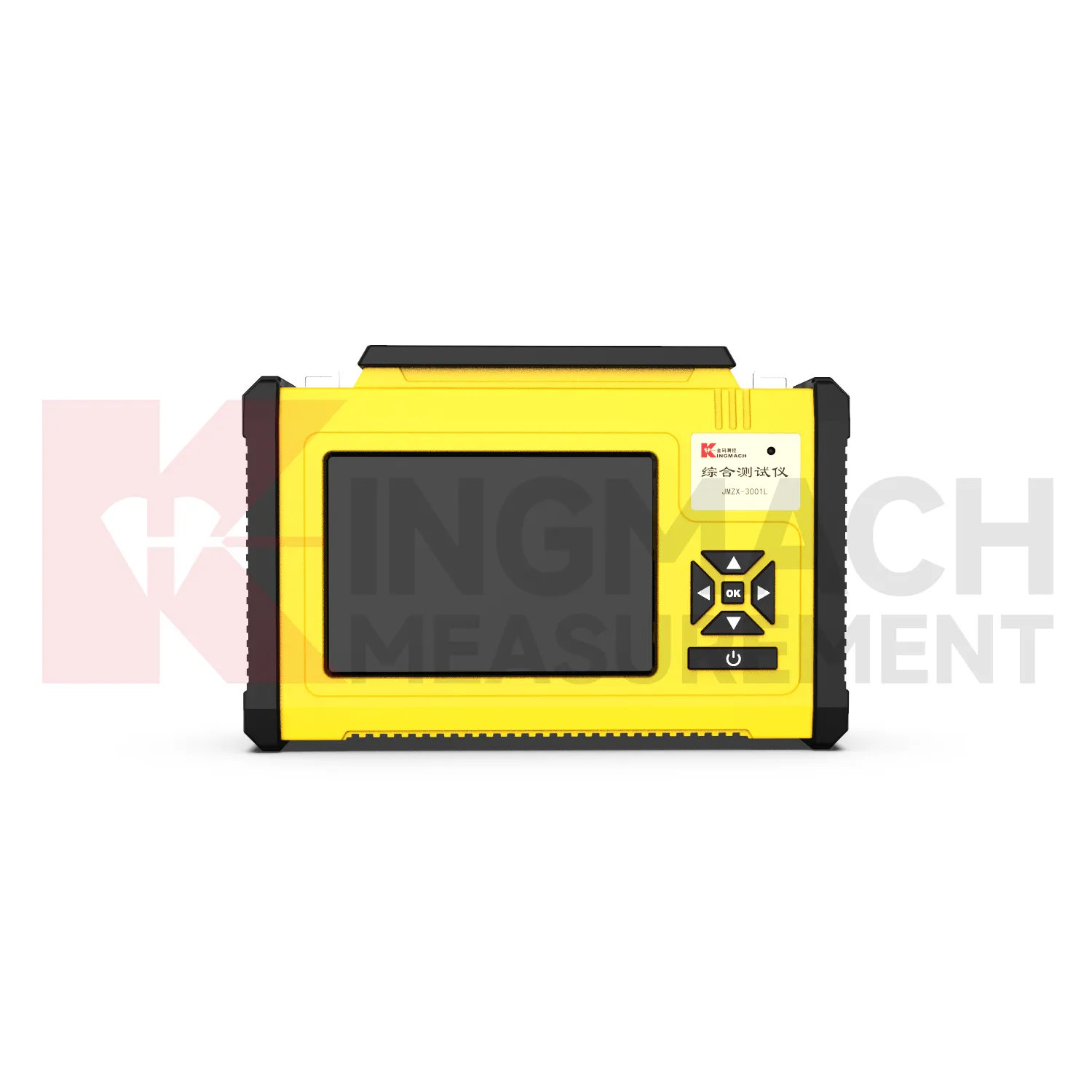
FAQ
It varies. The base unit typically supports 8 or 16 channels, but you can add expansion boards to go up to 64 or more, depending on the sensor type. Analog channels and digital channels are mixed in the same system. For a specific project, you tell us the sensor list, and we confirm the channel count.
The host is designed to work with any sensor that outputs standard signals—4–20 mA, 0–5 V, RS-485 Modbus, vibrating wire, etc. As long as the sensor follows the electrical standard, there is no lock-in. You enter the calibration factors for your specific sensors during setup.
Data stays on the host. All readings are stored in non-volatile memory. When the link comes back, the host sends any backlog automatically. The buffer can hold several months of data at typical intervals. If you need to retrieve data manually, you can pull the SD card.
Yes. The power input accepts 9–36 V DC, and there is an internal battery charger. You connect a 12 V battery and a solar panel, and the host manages its own power. It will log low-voltage events and shut down cleanly if the battery gets too low, then restart when power returns.
Configuration is done through a web interface. You set intervals per channel, define alarm levels, and choose how notifications are sent (SMS or email if a modem is fitted). The interface works on any browser, so you can do it with a laptop or even a tablet in the field.
Share your product type, target capacity, and application requirements. Our team can review the details and recommend a practical next step.
Related Keywords
If you are interested in our products or want to become our partner.
Please leave your contact information, our team will contact you as soon as possible.
Mail: [email protected]
Contact Us: +8613808434127
Address: No. 188 Tongzipo West Rd, Changsha, Hunan, China