
 EN
EN
 ar
ar bg
bg hr
hr cs
cs da
da nl
nl fi
fi fr
fr de
de el
el hi
hi it
it ko
ko no
no pl
pl pt
pt ro
ro ru
ru es
es sv
sv tl
tl iw
iw id
id lv
lv lt
lt sr
sr sk
sk sl
sl uk
uk vi
vi et
et hu
hu th
th tr
tr fa
fa ms
ms hy
hy ka
ka ur
ur bn
bn mn
mn ta
ta kk
kk uz
uz ku
ku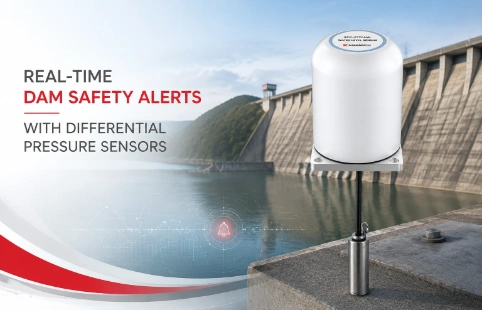
Real-Time Dam Safety Alerts with Differential Pressure Water Level Sensors
Key Takeaways An alert chain needs more than a sensor: define field in...

Daisy-Chained Digital Thermometers: Less Wiring, More Coverage
Running dozens of temperature sensors in a tunnel or borehole usually means a mess of cables. Daisy-chained digital thermometers cut through that. Each sensor has its own digital address, so a single bus can carry data from dozens of points. Kingmach builds these chains for geotechnical and industrial monitoring—slope stability, dam health, permafrost, and more. The sensors talk over a shared line, which means less trenching, fewer connectors, and a faster setup. Field crews appreciate the time saved, and data loggers see cleaner signals compared to long analog cable runs. Whether you need 10 meters or 10 kilometers of sensor chain, the architecture stays the same: plug in a new node and it’s recognized automatically. This overview covers how daisy-chain thermometry works on the ground, what makes a reliable chain, and where it fits best.
Technical Detail
A daisy-chained digital thermometer setup from Kingmach starts with a master cable carrying power and data. Individual sensor nodes—typically DS18B20 or similar 1-Wire devices—are spliced in at regular intervals. Each node reports its own temperature when polled, so there’s no cross-talk. The sensors are pre-calibrated to common industrial ranges (say, -55°C to +125°C) with ±0.5°C accuracy, though exact specs vary by client spec. The chain itself can be armored, jacketed in PVC, or encased in stainless steel for direct burial or immersion. Because each node draws microamps in standby, a single 3.3V or 5V rail can power a long string. Kingmach offers turnkey chains in custom lengths, pre-wired to a weatherproof logger like the KM-101 or KM-200 series. Clients running distributed monitoring often pair these with vibrating wire sensors, but the digital thermometer chain is simpler to deploy and doesn’t need a readout box at every point. After-sales support includes on-site training, and our network covers projects in North and South America, Southeast Asia, and Europe. Customization is standard: you specify the node spacing, cable length, and housing material. Lead times depend on complexity, but a typical 50-point chain ships within 3-4 weeks.
News
Key Takeaways An alert chain needs more than a sensor: define field in...
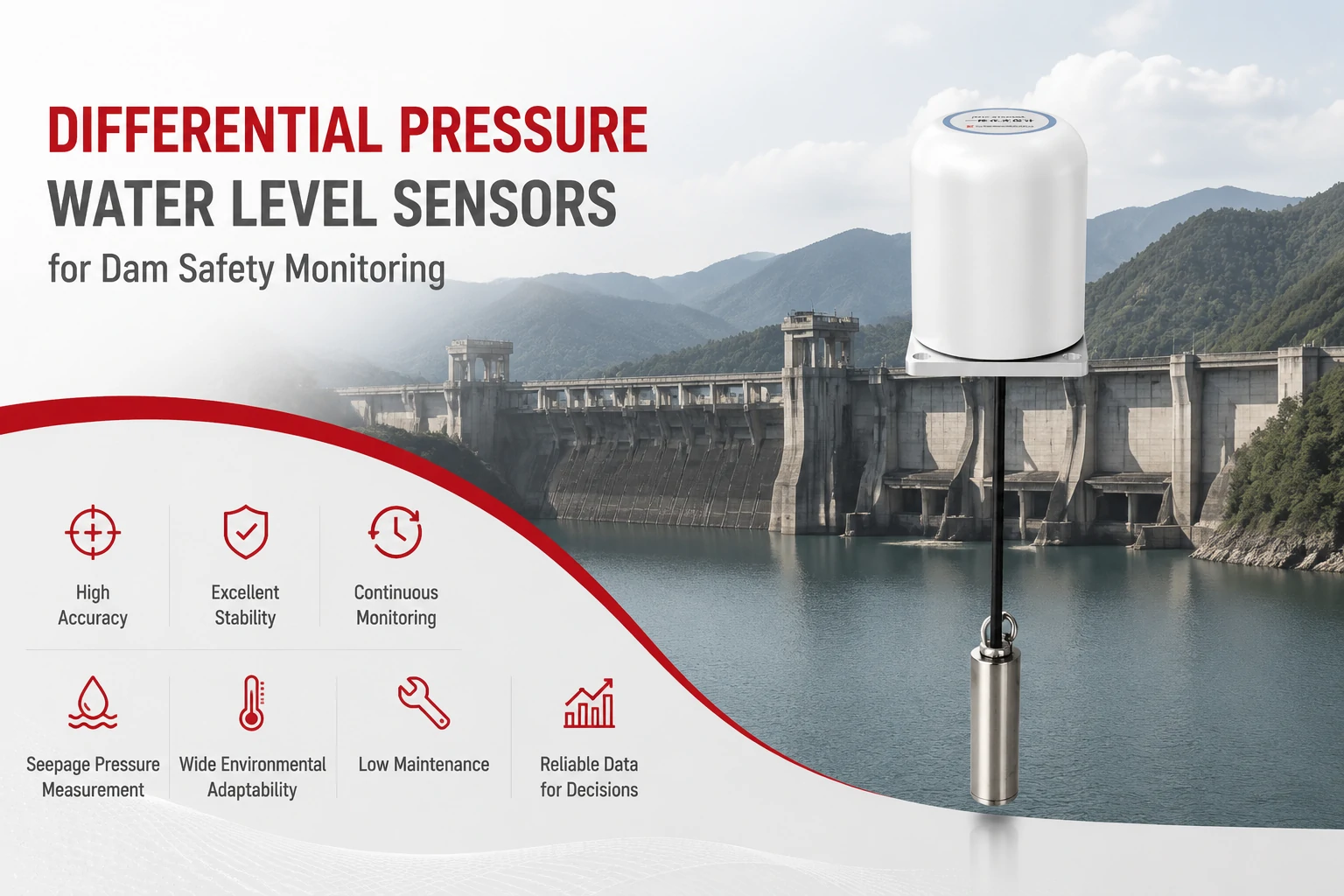
Key Takeaways The strongest fit is usually a confined, submerged, or s...
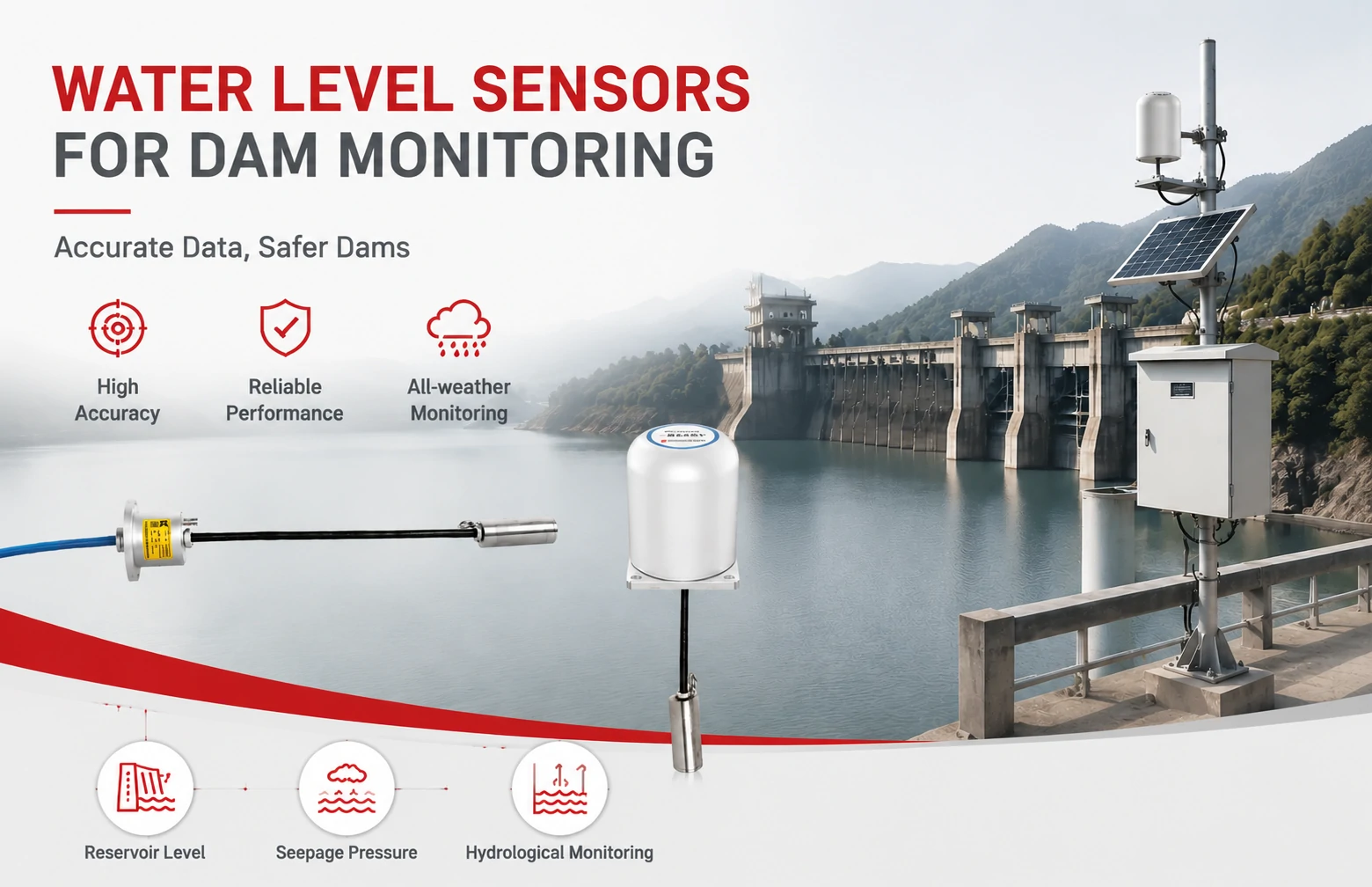
Kingmach Water Level Sensors for Dam Monitoring: A Buyer's Guide to Differential Pre...
Products
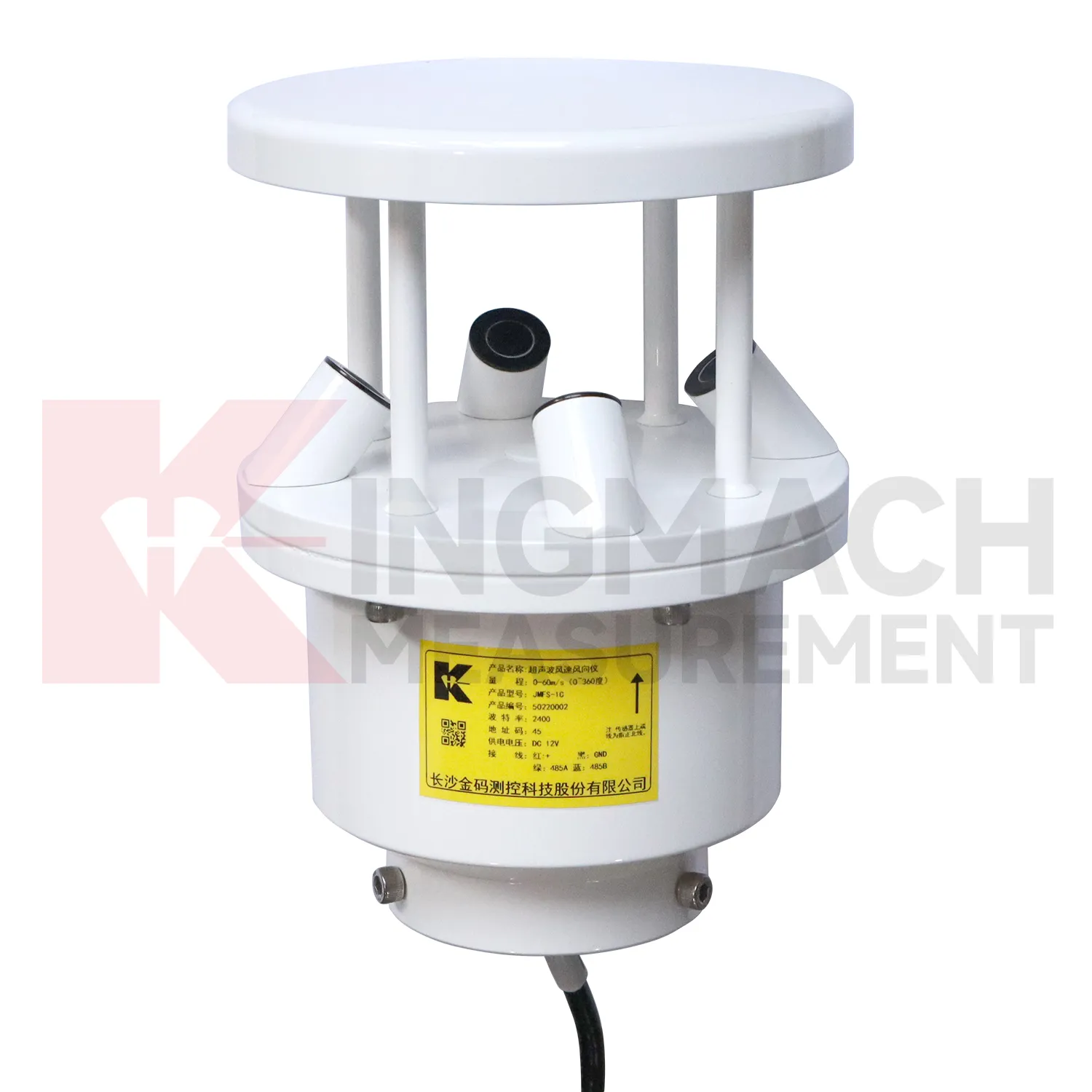
Ultrasonic Wind Speed and Direction Sensor JMFS-1C
View Details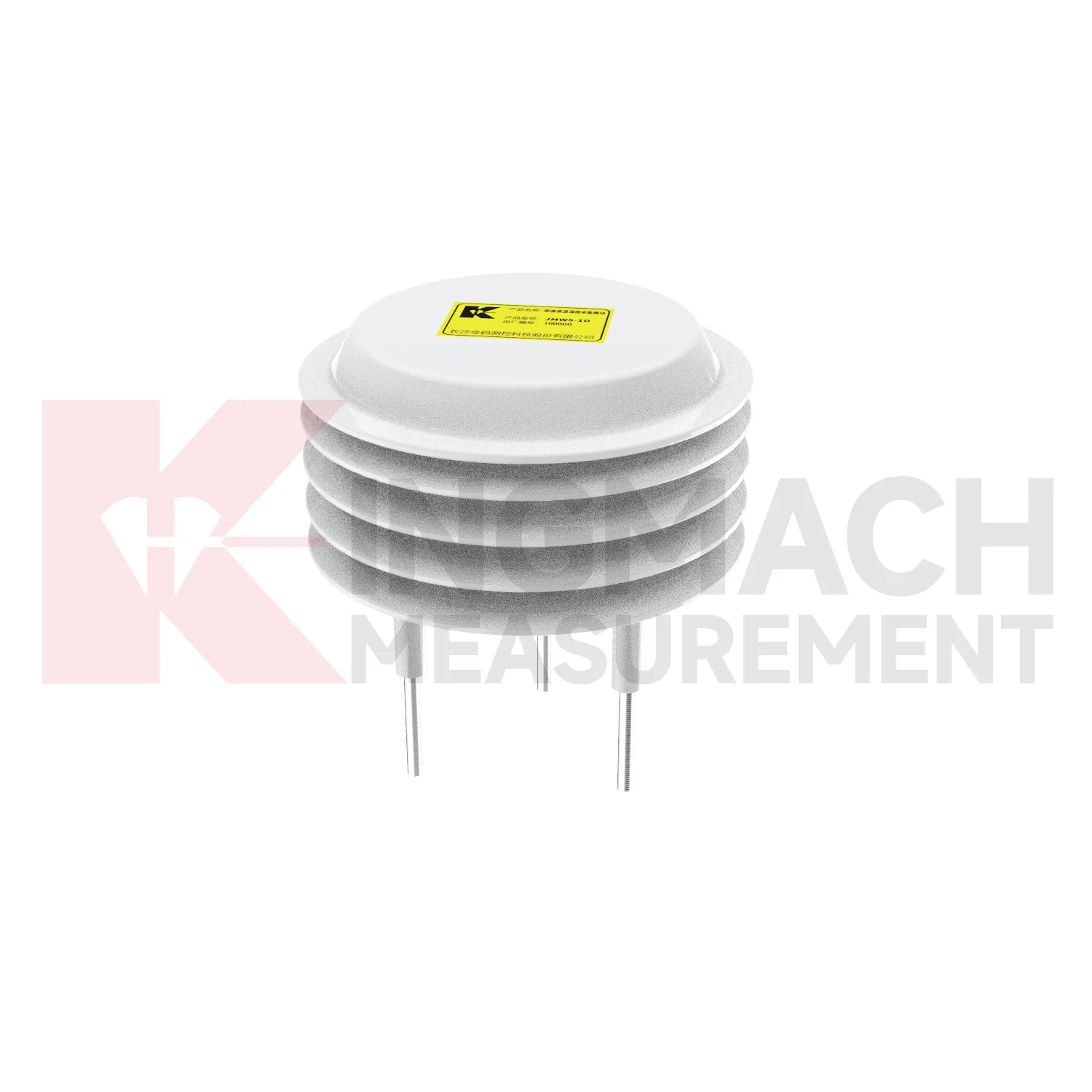
Single-Channel Temperature and Humidity Acquisition Module JMWS-1D
View DetailsFAQ
It depends on the sensor type and cable length. With 1‑Wire sensors like the DS18B20, a single bus often handles up to 100 nodes over a few hundred meters before you need a line driver. In practice, we’ve done 60-point chains at 1‑meter spacing for a 60‑m section with no data loss. If you need more points or longer runs, we split the bus or add repeaters. Better to describe your project and we’ll suggest a topology that keeps data reliable.
Not necessarily special, but it does need to speak the right protocol—most use 1‑Wire. Kingmach loggers like the KM‑101 have a dedicated 1‑Wire port and scan the bus automatically. You can also use a Raspberry Pi or an Arduino with a USB adapter; we supply example Python scripts for that. The key is ensuring the logger can provide strong pull‑up voltage and handle the bus capacitance of a long chain.
Since it’s a digital parallel bus, a dead node can pull down the whole chain if it shorts. But our chains include isolation circuitry at each node to prevent that. If a sensor just stops responding, the logger can skip it and continue polling the rest. In the field, you’d replace that section during next maintenance. We recommend keeping a few spare sensors on hand.
Technically yes, if the humidity sensor shares the same 1‑Wire or RS‑485 protocol. But in practice, mixing adds firmware complexity and can slow down the polling cycle. Most clients keep separate chains for temperature and other parameters. We’ve built combined strings before, e.g., with a voltage-output humidity chip at the same physical node, but it’s not a standard catalog item—it would be a custom project.
The individual sensors come factory‑calibrated, but over time you might want to verify. For in‑situ checks, we suggest lowering a reference probe alongside the chain in a standpipe and comparing readings at a couple of stable temperatures. If an offset is found, you can apply correction factors in the logger software. Full recalibration of the chain involves pulling it out and sending it back, which is rarely needed outside of high‑precision labs.
Share your product type, target capacity, and application requirements. Our team can review the details and recommend a practical next step.
If you are interested in our products or want to become our partner.
Please leave your contact information, our team will contact you as soon as possible.
Mail: [email protected]
Contact Us: +8613808434127
Address: No. 188 Tongzipo West Rd, Changsha, Hunan, China