
 EN
EN
 ar
ar bg
bg hr
hr cs
cs da
da nl
nl fi
fi fr
fr de
de el
el hi
hi it
it ko
ko no
no pl
pl pt
pt ro
ro ru
ru es
es sv
sv tl
tl iw
iw id
id lv
lv lt
lt sr
sr sk
sk sl
sl uk
uk vi
vi et
et hu
hu th
th tr
tr fa
fa ms
ms hy
hy ka
ka ur
ur bn
bn mn
mn ta
ta kk
kk uz
uz ku
ku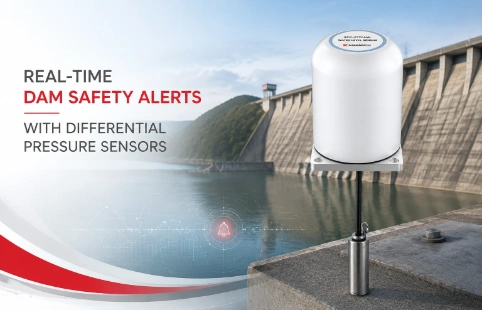
Real-Time Dam Safety Alerts with Differential Pressure Water Level Sensors
Key Takeaways An alert chain needs more than a sensor: define field in...

Embedded Automation Chassis: Built for Field Data
Setting up data loggers on a remote slope or in a tunnel isn’t just about mounting a box. Moisture, dust, and daily temperature swings can trash electronics fast. An embedded automation chassis should handle these without babysitting. Kingmach builds its chassis around the idea of surviving rockfalls and monsoons, not climate-controlled server rooms. We supply geotechnical instruments worldwide, so the chassis reflects lessons from sites you’d probably rather avoid. Instead of one-size-fits-all, the platform is modular – you add the I/O cards, modems, or storage your project actually needs. No one likes paying for slots they’ll never populate. When you’re collecting strain gauge or piezometer data for months, reliability stops being abstract and starts being whether you sleep through the night. That’s why we don’t treat the chassis as an afterthought.
Technical Detail
Most industrial PCs expect a factory floor, not a borehole collar. Kingmach’s embedded automation chassis is different. The housing uses cast aluminum with gasketed seams, not just because it looks rugged, but because crusted mud and condensation are facts of life on dam monitoring projects. We’ve seen too many installations fail from moisture creeping through plastic vents. Inside, the card cage follows a passive backplane design. This matters when a vibration spike at 2 a.m. could unseat a board – something we’ve addressed with proper locking mechanisms, not just friction fits. You can choose from analog input modules optimized for common geotechnical sensors: vibrating wire, 4–20mA, or half-bridge connections. Digital I/O handles rain gauges or alert strobes, while serial ports talk to older inclinometer probes that refuse to retire. Communication is where field life gets real. We support 4G, LoRaWAN, and Ethernet options, with fallover logic that switches to the strongest signal. The firmware team doesn’t hide behind ticket systems – they’ve actually modified logging intervals over a phone call when a client’s landslide accelerated. Power draws under 5W when the modem sleeps, so a modest solar panel can sustain a station for weeks. Custom front panels with client branding or specific connector arrangements are standard practice, not a premium upcharge. Kingmach’s support loops in engineers who’ve installed gear themselves, so when you ask about mounting a chassis inside an existing NEMA enclosure, they won’t just send a dimension drawing – they’ll suggest bracket orientation.
News
Key Takeaways An alert chain needs more than a sensor: define field in...
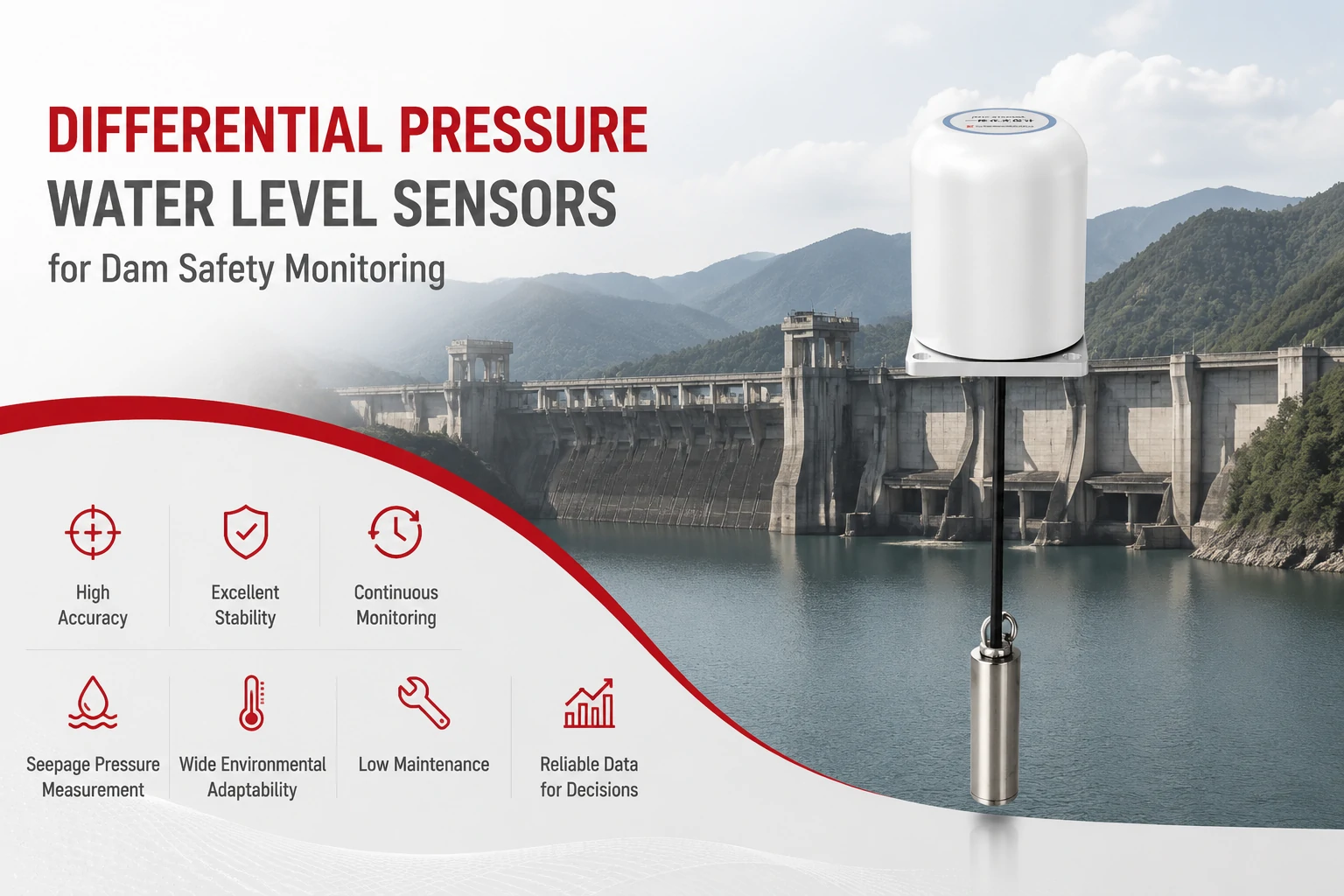
Key Takeaways The strongest fit is usually a confined, submerged, or s...
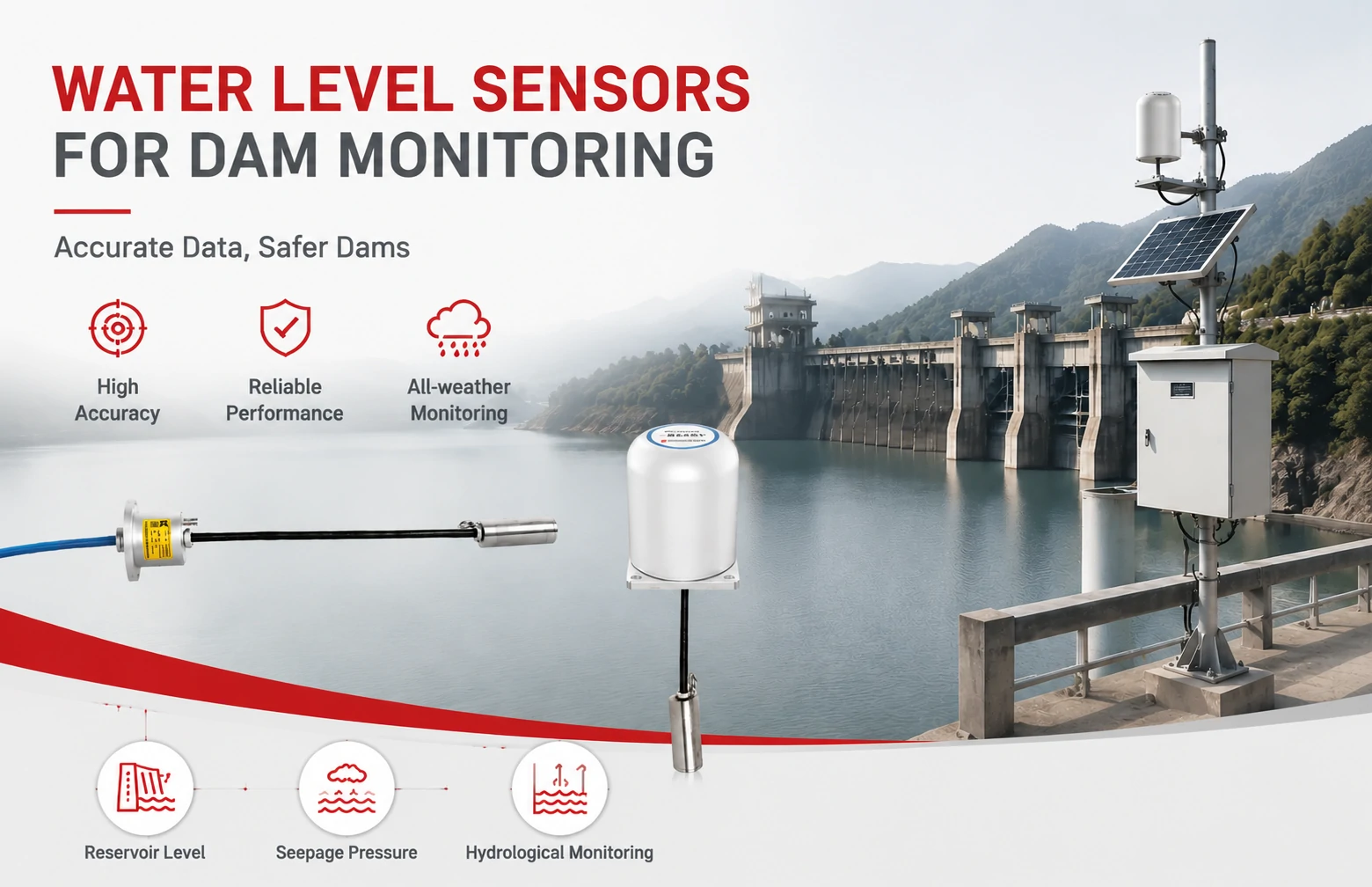
Kingmach Water Level Sensors for Dam Monitoring: A Buyer's Guide to Differential Pre...
Products
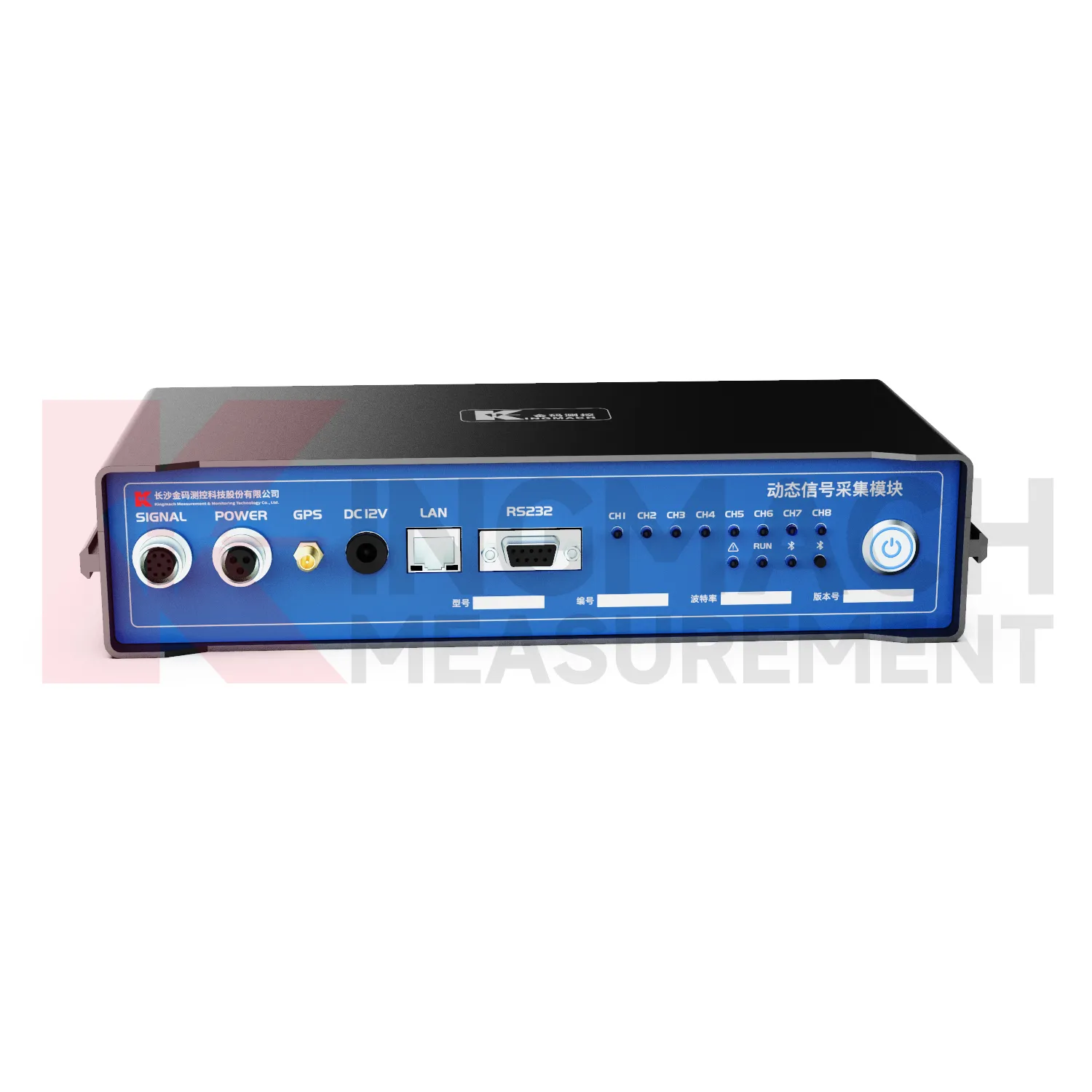
Dynamic signal acquisition module JMYD-1008XC
View Details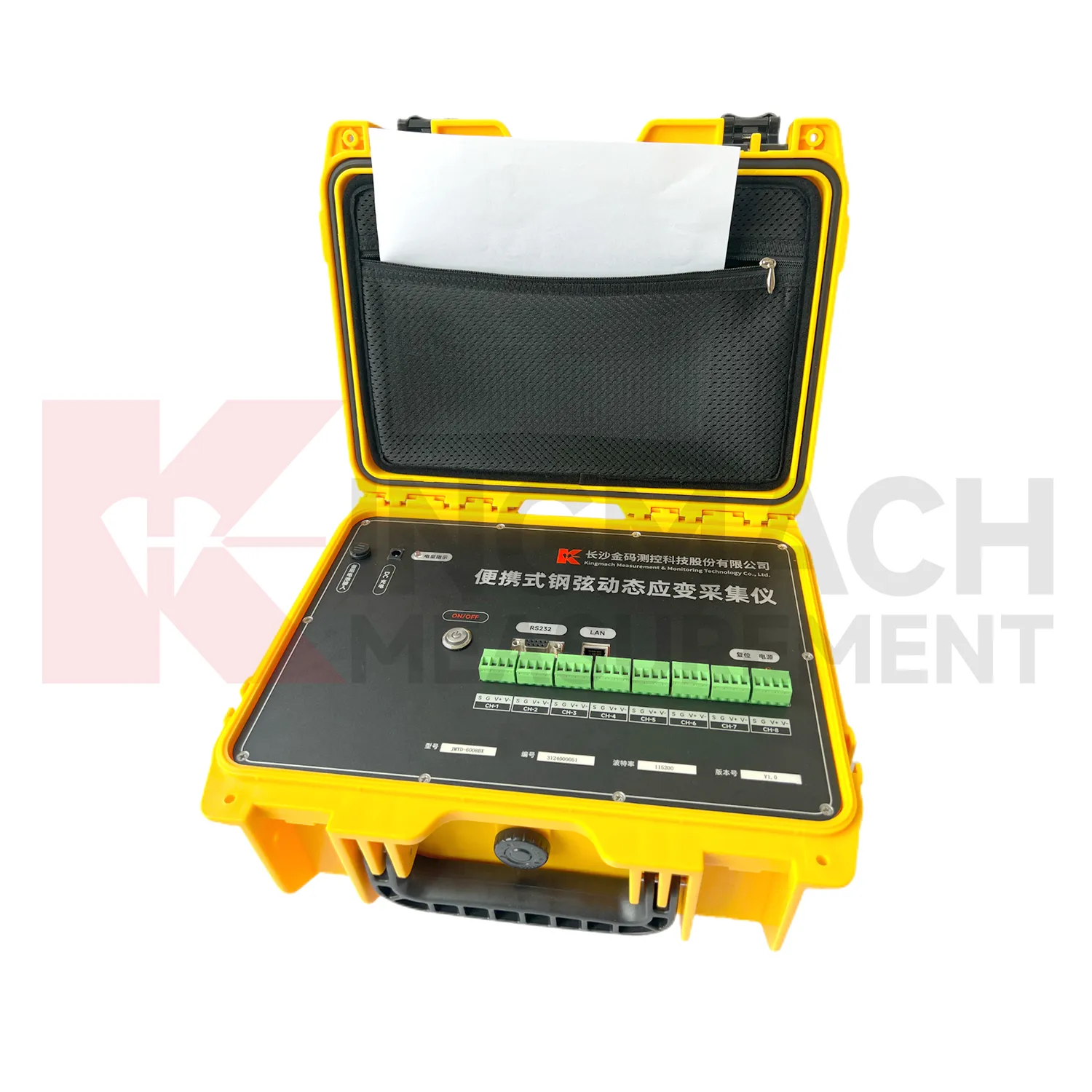
Portable Vibrating Wire Dynamic Strain Acquisition Readout JMYD-6008BX
View Details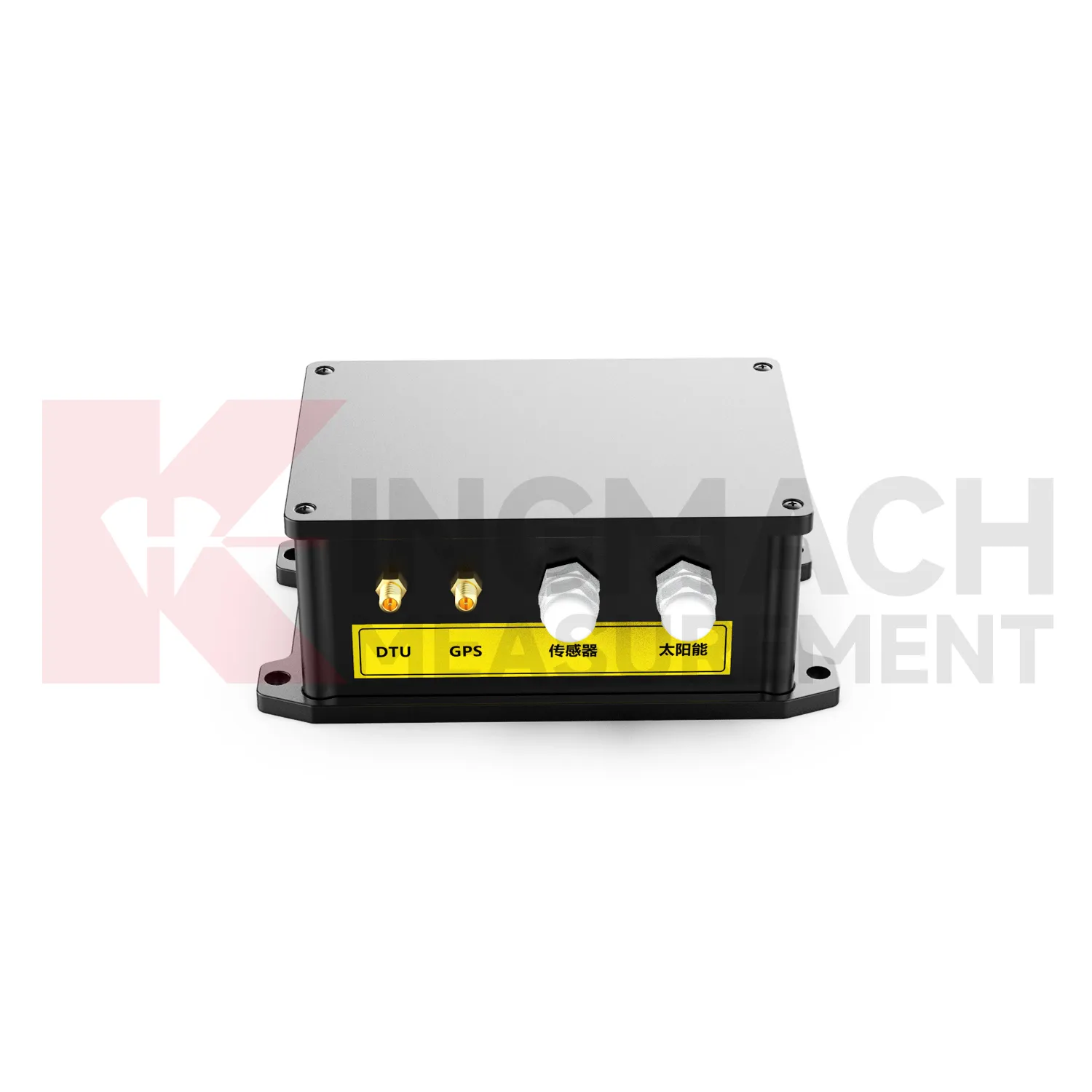
Wireless Data Logger (low power consumption design) JMWX-5RTU
View DetailsFAQ
The standard analog board handles vibrating wire, 4–20 mA, and half-bridge sensors out of the box. That covers most piezometers, strain gauges, and load cells used in geotech. For thermistors or LVDTs, we usually add a dedicated module – it’s cleaner than cramming everything onto one card and hoping for the best.
The rated range starts at -20°C, but we’ve tested startup at -35°C on a frozen tailings dam in Inner Mongolia. The main concern is the display LCD slowing down, not the processor. Specifying an industrial-wide-temp compact flash for storage and avoiding cheap RTC chips makes a bigger difference than the temperature sensor on the board.
Every chassis ships with a built-in secure web server. You can change scan rates, adjust calibration factors, or pull data logs over a browser. If the cellular link is patchy, the system stores changes locally and syncs when connectivity improves. That’s saved us from many ‘just reboot it’ trips.
No. We cut and print a single unit if that’s what your pilot project needs. The setup cost is in the design file, not the metal. Once your connector layout and labeling are locked, the per-unit cost actually drops slightly for production runs.
We offer DIN rail clips, wall-mount lugs, and a 19-inch rack adapter. The chassis itself has multiple threaded inserts on the backplane side, so you can bolt it to almost anything. I’ve seen installers use L-brackets from a hardware store – if it holds up a hillside radio, nobody complains.
Share your product type, target capacity, and application requirements. Our team can review the details and recommend a practical next step.
If you are interested in our products or want to become our partner.
Please leave your contact information, our team will contact you as soon as possible.
Mail: [email protected]
Contact Us: +8613808434127
Address: No. 188 Tongzipo West Rd, Changsha, Hunan, China