
 EN
EN
 ar
ar bg
bg hr
hr cs
cs da
da nl
nl fi
fi fr
fr de
de el
el hi
hi it
it ko
ko no
no pl
pl pt
pt ro
ro ru
ru es
es sv
sv tl
tl iw
iw id
id lv
lv lt
lt sr
sr sk
sk sl
sl uk
uk vi
vi et
et hu
hu th
th tr
tr fa
fa ms
ms hy
hy ka
ka ur
ur bn
bn mn
mn ta
ta kk
kk uz
uz ku
ku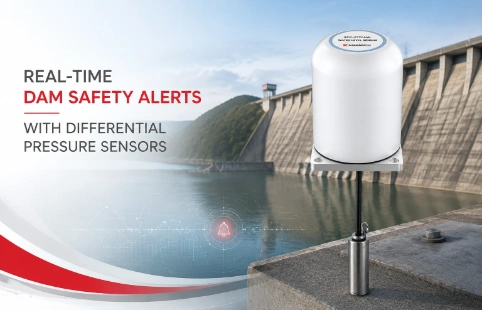
Real-Time Dam Safety Alerts with Differential Pressure Water Level Sensors
Key Takeaways An alert chain needs more than a sensor: define field in...

Embedment Strain Gauges That Work Deep Inside Concrete
When a dam or tunnel needs monitoring, the real story is inside the concrete. Surface measurements miss what’s happening around rebar or deep in a pour. Embedment strain gauges fill that gap—they’re cast directly into concrete to track strain from day one. Kingmach has been supplying these tools for geotechnical projects long enough to know that no two pours are alike. Gauge length, cable routing, and even the steel housing can be adapted. This isn’t off-the-shelf for critical jobs; it’s built to match the mix design and the monitoring plan. From mass concrete in arch dams to shotcrete in tunnel linings, the goal is the same: data that holds up over decades.
Technical Detail
An embedment strain gauge is essentially a vibrating wire sensor sealed inside a steel body, placed in fresh concrete before it sets. As the structure cures and later takes load, the wire’s tension shifts in response to strain. That frequency is read by a portable logger or an automatic system. Kingmach gauges use a proven vibrating wire principle, with stainless steel construction that resists corrosion in wet, alkaline environments. Standard models can be produced with active gauge lengths from 150 mm to 300 mm, but longer or shorter versions are possible for different aggregate sizes or research setups. The end blocks anchor the gauge firmly in the concrete, minimizing slip. Temperature change is also tracked—each unit includes a thermistor, so strain data can be corrected. Typical accuracy runs around ±0.1% of full scale, with ranges commonly from 3000 to 4000 microstrain. These aren’t lab-only numbers; they come from factory calibration across the full working range. Installation is straightforward if planned early. The gauge is tied to rebar or a mounting frame before pouring, and the cable is routed to a junction box. For mass concrete, multiple gauges can be arranged in rosettes to capture strain in several directions. Kingmach ships gauges with rugged polyurethane-jacketed cables that handle construction site handling. For long-term jobs, stainless steel cable armor is an option. After-sales, replacement calibration factors or spares can be sent through existing distribution partners in Latin America, Southeast Asia, and parts of Africa. Tech support is part of the offer—questions about grout compatibility or cable splicing get answered by engineers who have done this themselves. If a project has unusual conditions, like high radiation (as in nuclear containment) or dynamic loading, a custom design is usually feasible with a few extra weeks of lead time.
News
Key Takeaways An alert chain needs more than a sensor: define field in...
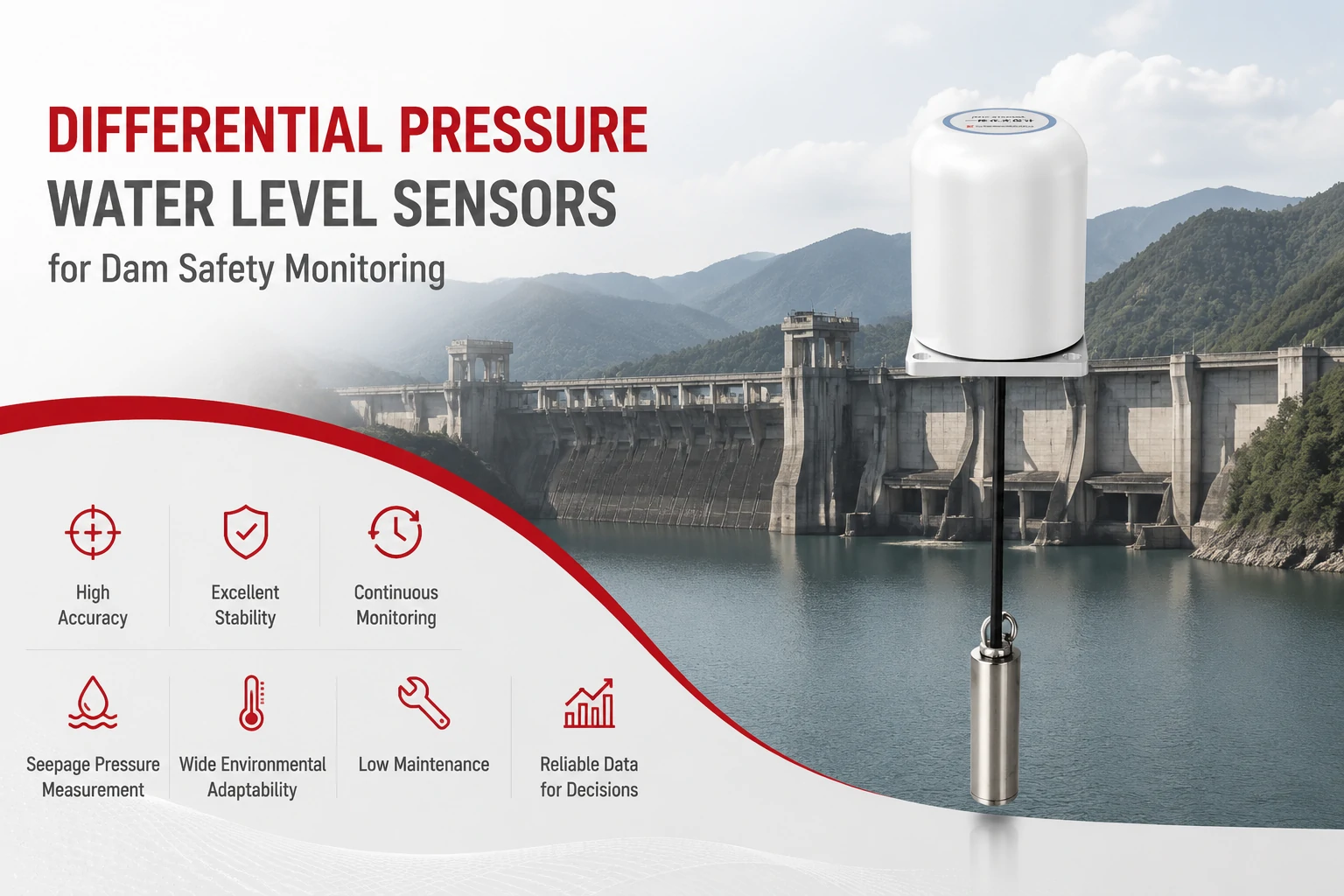
Key Takeaways The strongest fit is usually a confined, submerged, or s...
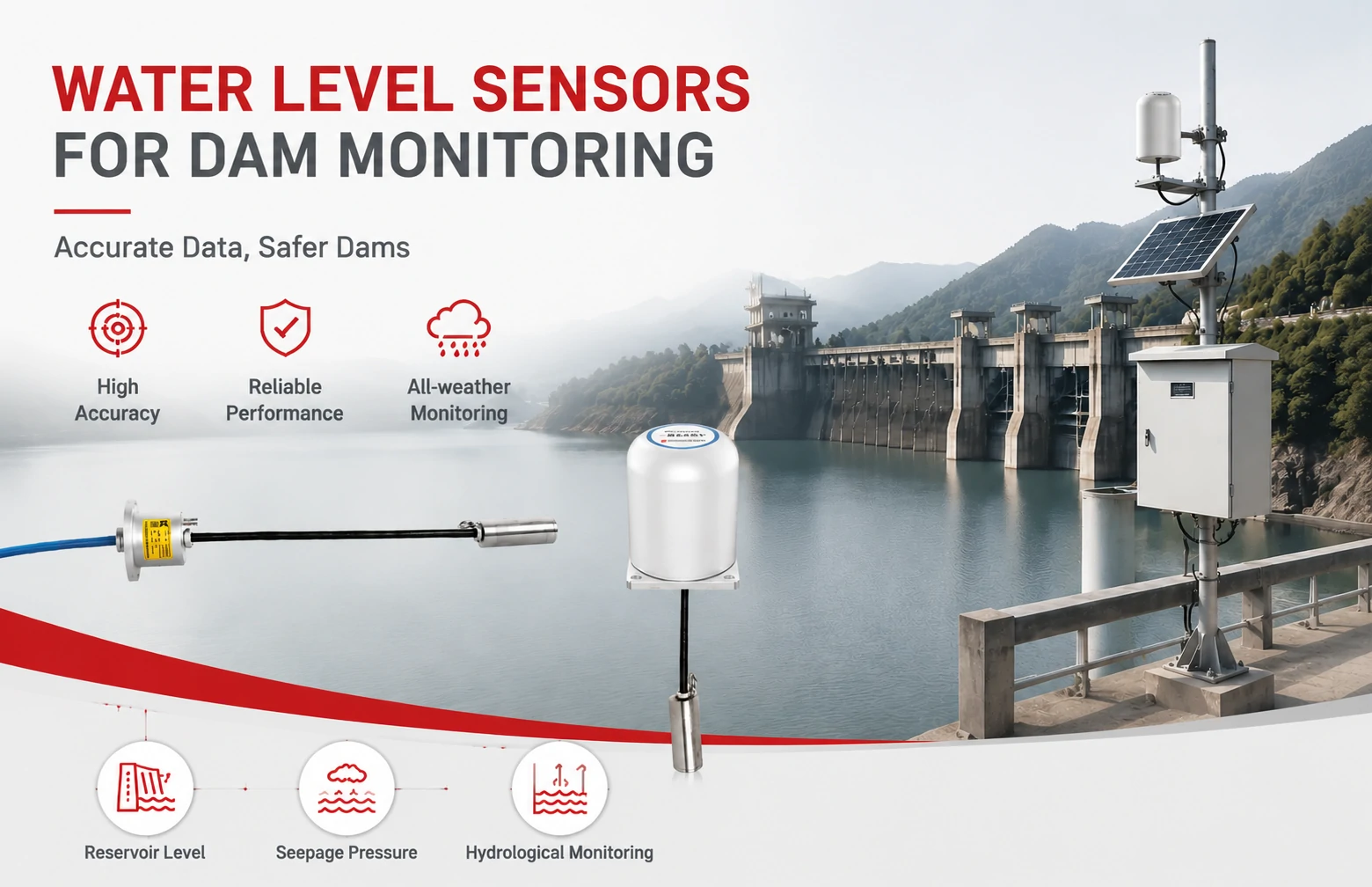
Kingmach Water Level Sensors for Dam Monitoring: A Buyer's Guide to Differential Pre...
Products
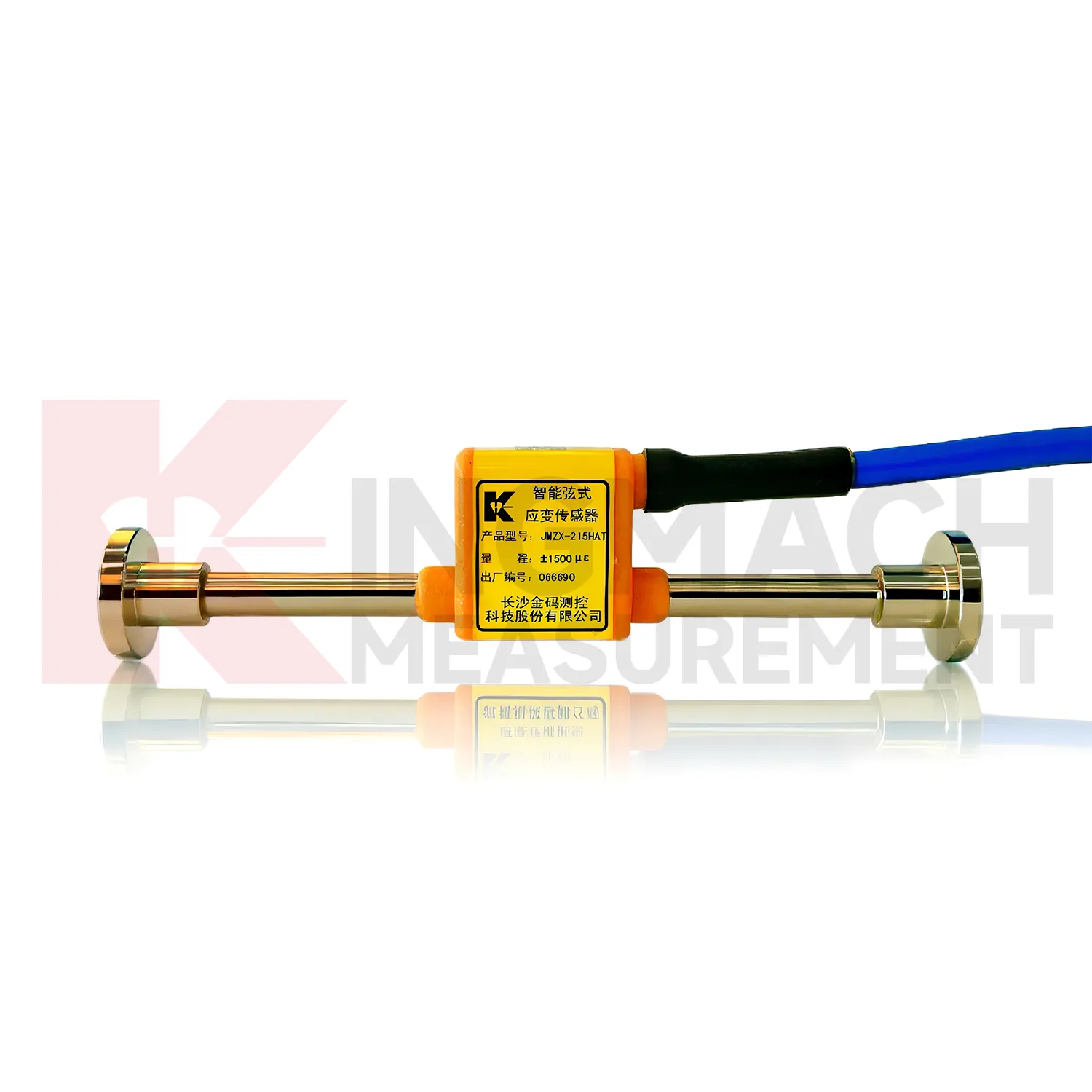
Smart vibrating wire strain gauge (embedment model) JMZX-215HA/215HAT/HB
View Details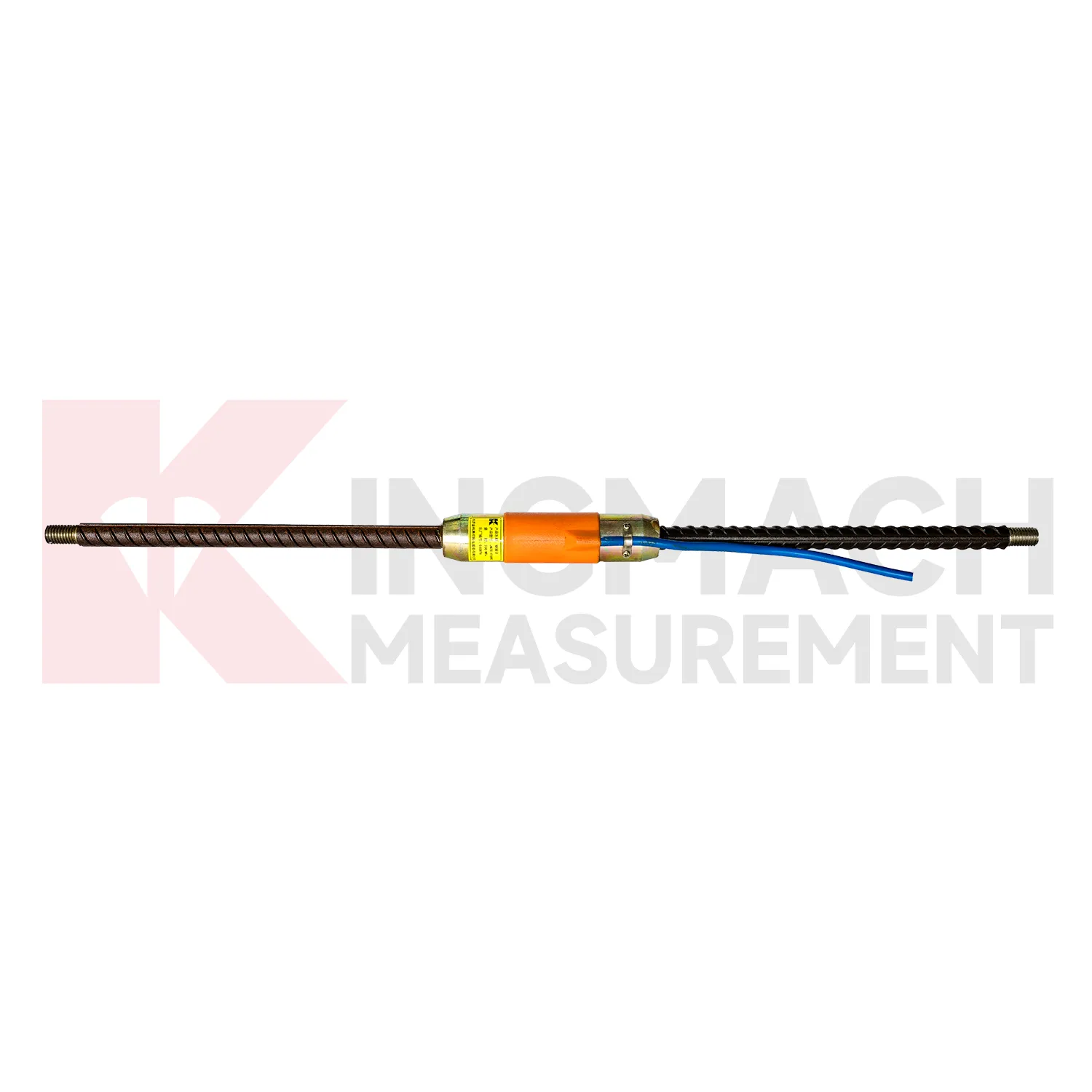
Rebar Strainmeters ( VW & Smart Type) JMZX-4XXHAT/HB
View Details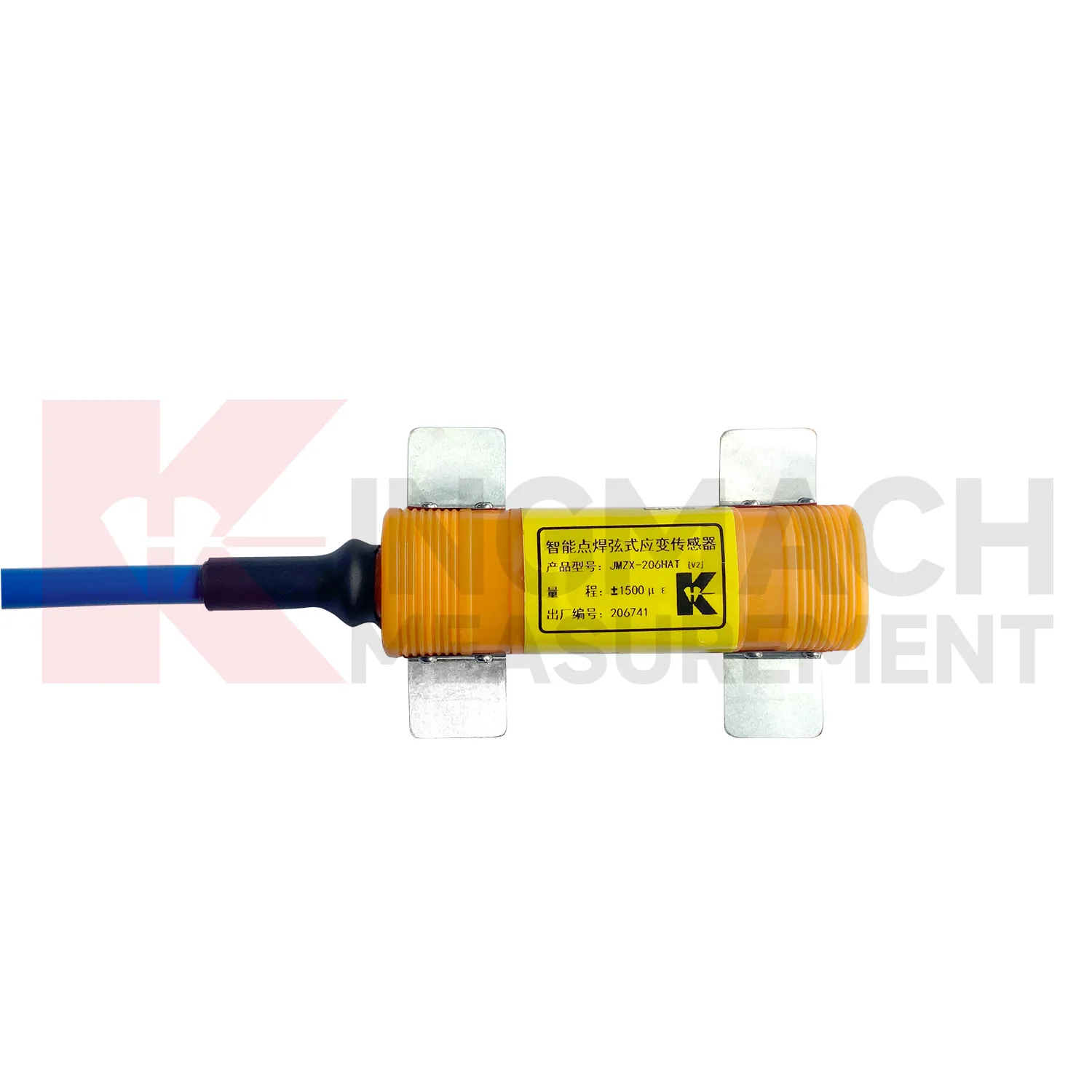
Smart vibrating wire strain gauge (surface welded model) JMZX-206HAT
View DetailsFAQ
It’s not about depth, but location relative to the neutral axis and reinforcement. For a slab, mid-depth might work for axial strain. Near a crack-prone zone, place it close to the rebar where strain is highest. Always discuss with the design engineer; we can help with typical placement drawings.
Yes. The vibrating wire and end blocks are inside a stainless steel housing, often 316L, which stands up to pH above 12. We’ve seen them used in environments with chloride exposure too, with proper cable sealing.
An embedment gauge goes into the concrete before it hardens, measuring internal strain through the entire section. A surface gauge is glued on after, seeing only surface strains and often missing creep or shrinkage effects. If you need long-term structural integrity data, go embedment.
Most dataloggers read vibrating wire frequencies directly. You supply a 2-wire or 4-wire connection from the gauge. Kingmach gauges use a standard pinout; we provide wiring tables. Some projects use a multiplexer for many points. If you need help matching logger to gauge, our support team can walk you through it.
Larger aggregate, like 40 mm or more, benefits from a longer gauge length to average strain over a representative volume. We routinely build 300 mm or even 500 mm active lengths. Just let us know the mix design when ordering.
Share your product type, target capacity, and application requirements. Our team can review the details and recommend a practical next step.
If you are interested in our products or want to become our partner.
Please leave your contact information, our team will contact you as soon as possible.
Mail: [email protected]
Contact Us: +8613808434127
Address: No. 188 Tongzipo West Rd, Changsha, Hunan, China