
 EN
EN
 ar
ar bg
bg hr
hr cs
cs da
da nl
nl fi
fi fr
fr de
de el
el hi
hi it
it ko
ko no
no pl
pl pt
pt ro
ro ru
ru es
es sv
sv tl
tl iw
iw id
id lv
lv lt
lt sr
sr sk
sk sl
sl uk
uk vi
vi et
et hu
hu th
th tr
tr fa
fa ms
ms hy
hy ka
ka ur
ur bn
bn mn
mn ta
ta kk
kk uz
uz ku
ku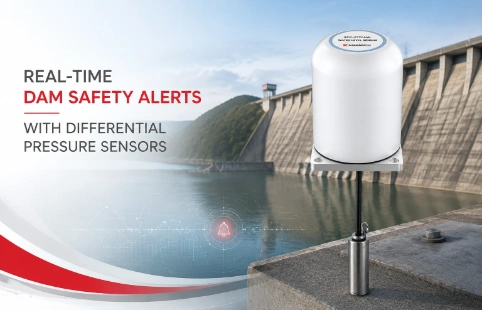
Real-Time Dam Safety Alerts with Differential Pressure Water Level Sensors
Key Takeaways An alert chain needs more than a sensor: define field in...

Integrated Monitoring Station: Ready-to-Deploy Field Data Hub
For field monitoring projects, the hardware that sits outside day and night tends to get more attention than it deserves – until something stops working. An integrated monitoring station brings together sensors, dataloggers, power supply, and communication into a single package that is easier to deploy and less fuss to maintain. Kingmach has been building these stations for years, and we’ve shipped them to projects in over a dozen countries. They’re not the cheapest option in the catalog, but they’re built to run without constant babysitting. The enclosure, wiring, and mounting are all figured out beforehand, so you’re not improvising on-site. We’ve seen them used on everything from deep excavation monitoring to long-term dam surveillance. If your project calls for multiple sensor types – maybe piezometers, inclinometers, and weather sensors all reporting to one hub – a pre-configured station saves a lot of integration time. It’s not rocket science, it’s just practical engineering.
Technical Detail
Kingmach’s integrated monitoring stations are built around a simple idea: putting all the field data collection gear into one weatherproof box saves time and reduces installation errors. The standard package includes a datalogger with multiple channels—support for 4-20mA, vibrating wire, and Modbus sensors is standard, so you can mix and match the geotechnical instruments your project needs. The enclosure is IP66 rated, with a hinged door and internal mounting plate that makes field wiring easier. Inside, you’ll find a rechargeable battery and a charge controller that works with solar panels or AC input. For communication, we typically include a 4G cellular modem, but satellite and LoRa options are available. Customization is a big part of what we do: if you need a specific logger brand, a larger battery for high-power sensors, or a particular data push protocol, we can configure it in our workshop before shipping. The stations come with a setup guide that’s written for field technicians, not engineers who never leave the office. After-sales support reaches our global partners, so if something acts up, you’re not stuck waiting days for a reply. These stations have been deployed on bridge monitoring projects, railway slope stability systems, and even a few offshore platforms. While they’re positioned in the mid-range market, the components inside are from known industrial brands, not knock-offs. The real value is in the pre-assembly and testing: every station gets a 48-hour burn-in test before it leaves our facility. That catches most loose wires and configuration mismatches before they become field problems. And if you have a tricky site with extreme temperatures or corrosive air, we can swap in stainless steel fittings and wider-range components—not every supplier will do that without a major upcharge.
News
Key Takeaways An alert chain needs more than a sensor: define field in...
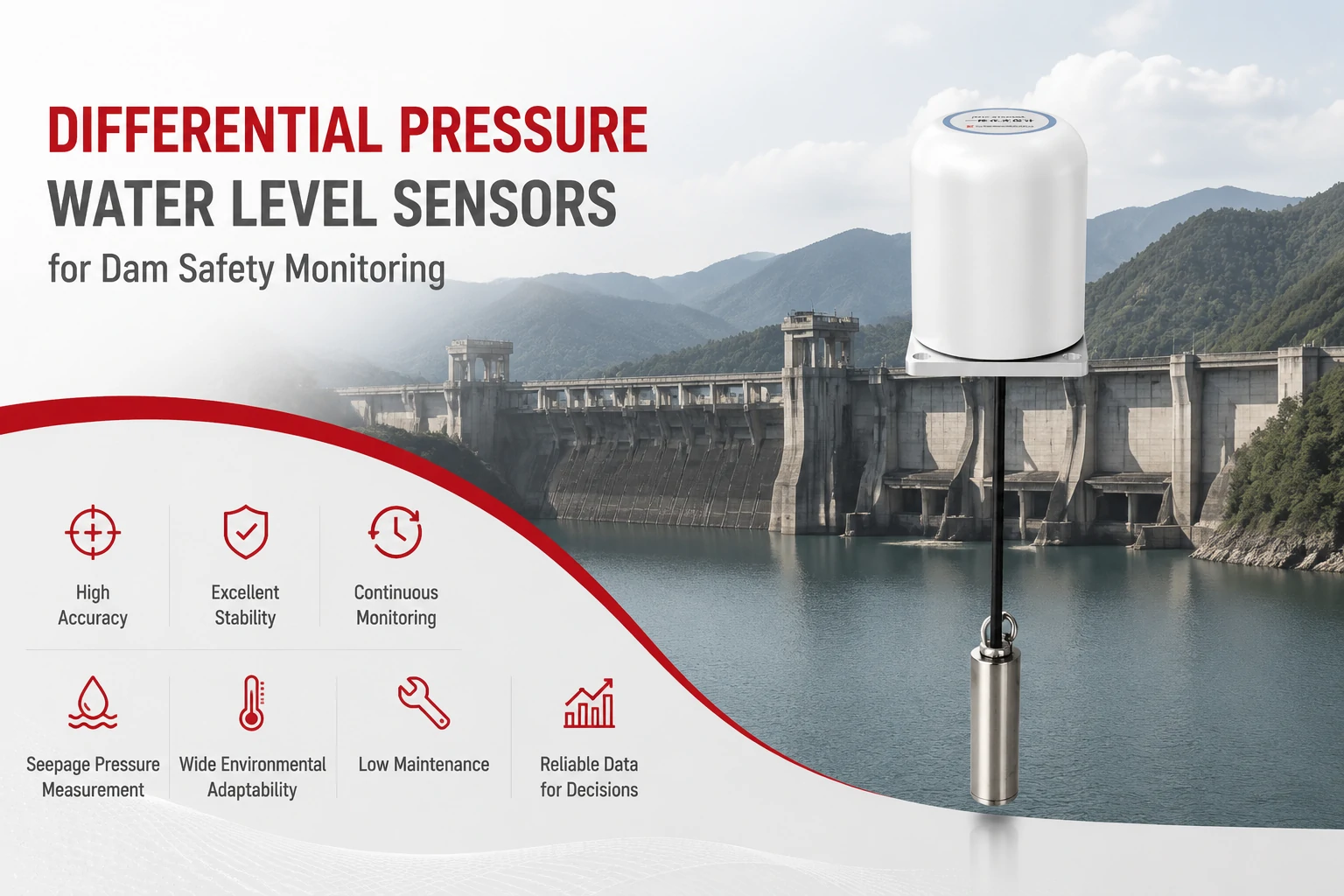
Key Takeaways The strongest fit is usually a confined, submerged, or s...
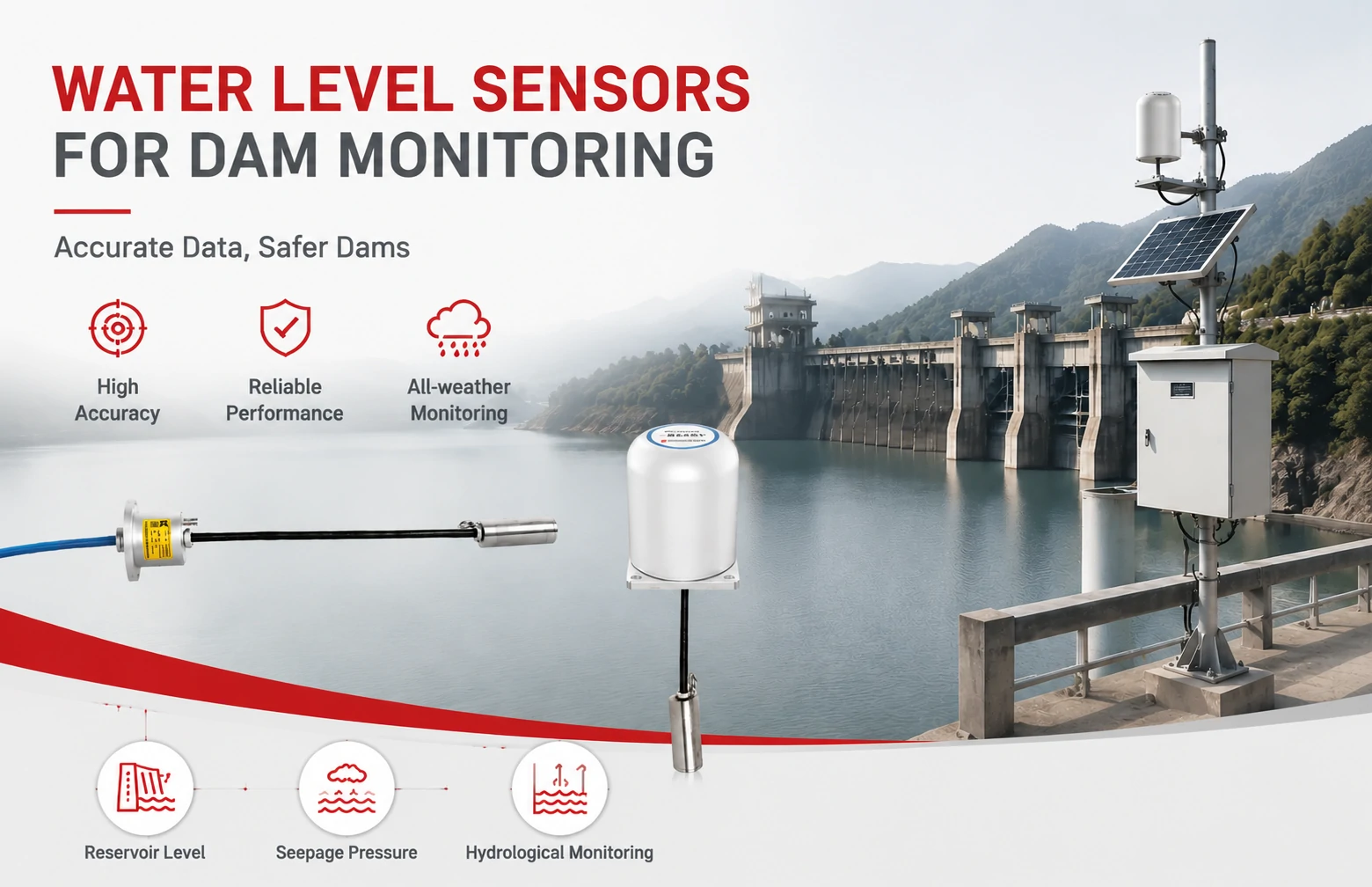
Kingmach Water Level Sensors for Dam Monitoring: A Buyer's Guide to Differential Pre...
Products
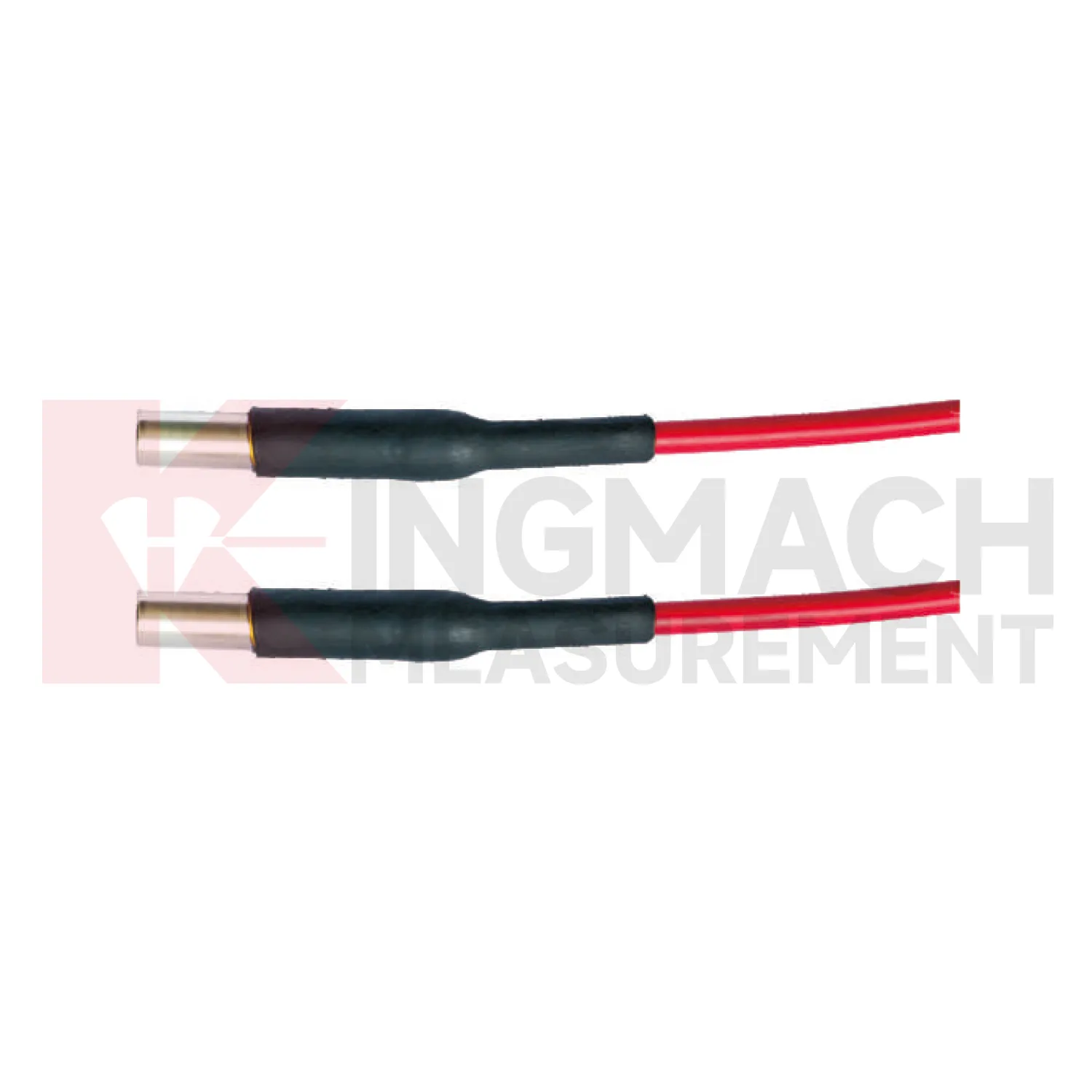
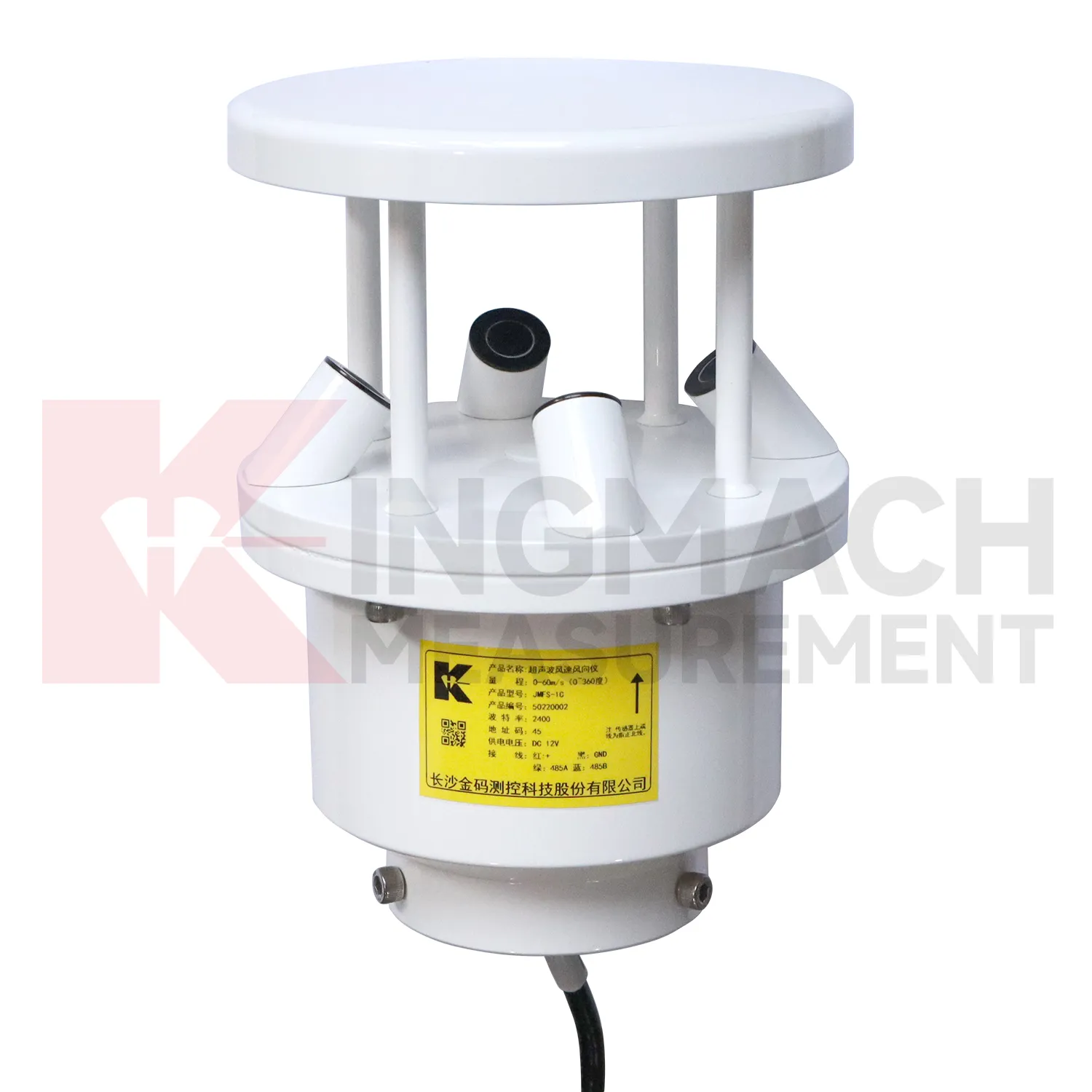
Ultrasonic Wind Speed and Direction Sensor JMFS-1C
View Details
FAQ
The standard datalogger accepts 4-20 mA, vibrating wire, and Modbus RTU sensors. That covers most geotechnical instruments like piezometers, inclinometers, crack meters, and weather sensors. If you have a less common sensor interface, we can usually add a signal conditioner or a custom input module during assembly.
Each station comes with a sealed lead-acid battery and a charge controller. You can connect a solar panel (typically 20W to 80W depending on sensor load), or a mains AC supply if available at site. The logger monitors battery voltage and can send low-battery alerts. For remote sites with high power demand, we can size up the battery and solar array before shipping.
Yes. The built-in 4G modem pushes data to your server or our cloud platform on a schedule you set. You can also poll the station for real-time readings. SMS and email alarms are triggered when any sensor exceeds your thresholds. If cellular coverage is spotty, we offer satellite or LoRaWAN options.
We treat every station as a project-specific build. You can choose the datalogger brand, add more sensor channels, request a stainless steel enclosure for coastal environments, or include backup batteries. The wiring layout, gland plates, and mounting brackets can all be adapted to your site constraints. We don’t charge extra for reasonable modifications.
For a standard station with common options, lead times are usually 2 to 4 weeks because we test every unit before shipment. Heavily customized builds might take a few weeks longer. Your local distributor can give a more accurate timeline once we confirm the spec.
Share your product type, target capacity, and application requirements. Our team can review the details and recommend a practical next step.
If you are interested in our products or want to become our partner.
Please leave your contact information, our team will contact you as soon as possible.
Mail: [email protected]
Contact Us: +8613808434127
Address: No. 188 Tongzipo West Rd, Changsha, Hunan, China