
 EN
EN
 ar
ar bg
bg hr
hr cs
cs da
da nl
nl fi
fi fr
fr de
de el
el hi
hi it
it ko
ko no
no pl
pl pt
pt ro
ro ru
ru es
es sv
sv tl
tl iw
iw id
id lv
lv lt
lt sr
sr sk
sk sl
sl uk
uk vi
vi et
et hu
hu th
th tr
tr fa
fa ms
ms hy
hy ka
ka ur
ur bn
bn mn
mn ta
ta kk
kk uz
uz ku
ku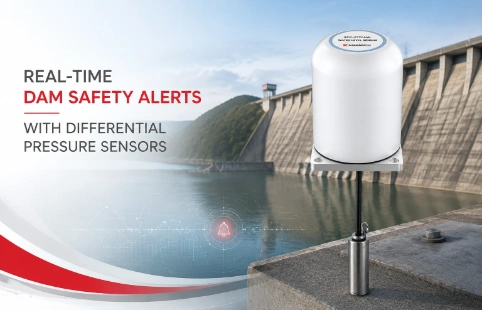
Real-Time Dam Safety Alerts with Differential Pressure Water Level Sensors
Key Takeaways An alert chain needs more than a sensor: define field in...

Strain Acquisition Readout: Built for Demanding Sites
Strain gauges are only as reliable as the readout unit they’re connected to. On a busy construction site or a remote landslide monitoring station, the data box is what bridge engineers and geologists actually interact with—day after day, in rain, dust, or freezing temps. Kingmach produces strain acquisition readout systems that field crews trust because they’re simple to set up, tough enough to take a beating, and accurate enough to catch a 0.1 microstrain shift before it becomes a problem. Rather than chasing one-size-fits-all specs, we build around how they’re wired, how they’re powered, and how they talk to the rest of your monitoring chain. Whether you need a standalone logger or a networked array for a tunnel project, the core requirement is the same: data that holds up when it matters.
Technical Detail
Kingmach strain acquisition readout instruments are designed for long-term geotechnical and structural monitoring. Instead of forcing users to adapt to a fixed architecture, we configure the input channels, excitation voltage, and logging interval around your gauge type and site power constraints. Standard units handle quarter-, half-, and full-bridge configurations, with low-noise 24-bit ADC resolution that resolves small strain changes even on long cable runs—something that quietly matters when your gauges are 200 meters down a borehole. There’s no black box here; terminals are clearly labeled, and the interface walks you through a channel scan without needing a laptop on site. For projects that scale, your readout can be daisy-chained via RS-485 or LoRa radio, feeding into a central data logger or cloud dashboard. Kingmach maintains a range that covers spot-check handheld readers and permanent DIN-rail installations, and our engineering team can adjust sample rates, alarm thresholds, or cellular reporting modules when the standard spec isn’t quite right. Global distribution and direct support from our factory mean you’re not left decoding a translated manual at 3 a.m. during a critical monitoring phase. More than just a measurement box, it’s the quiet constant in an instrumentation chain where getting the reading wrong isn’t an option.
News
Key Takeaways An alert chain needs more than a sensor: define field in...
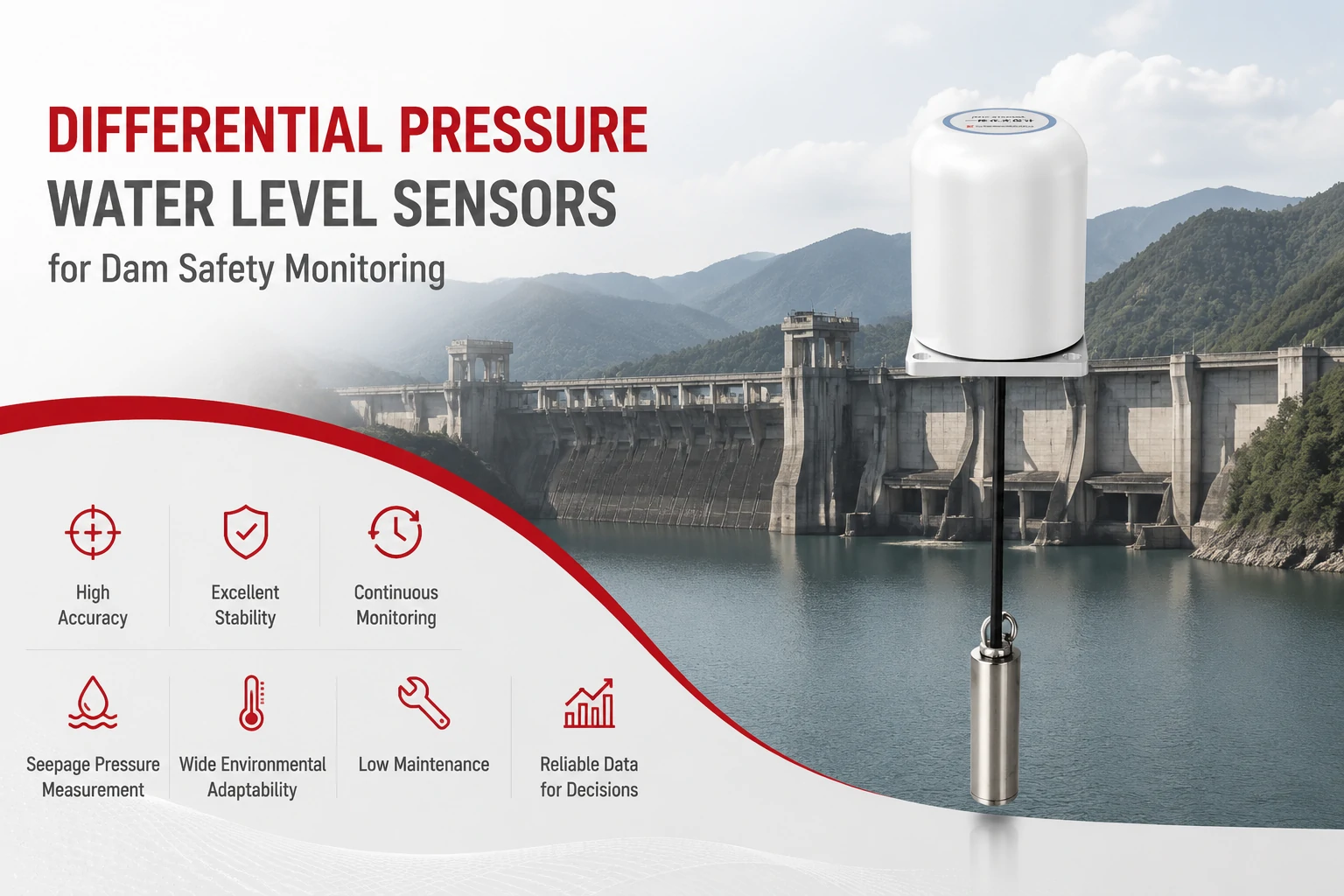
Key Takeaways The strongest fit is usually a confined, submerged, or s...
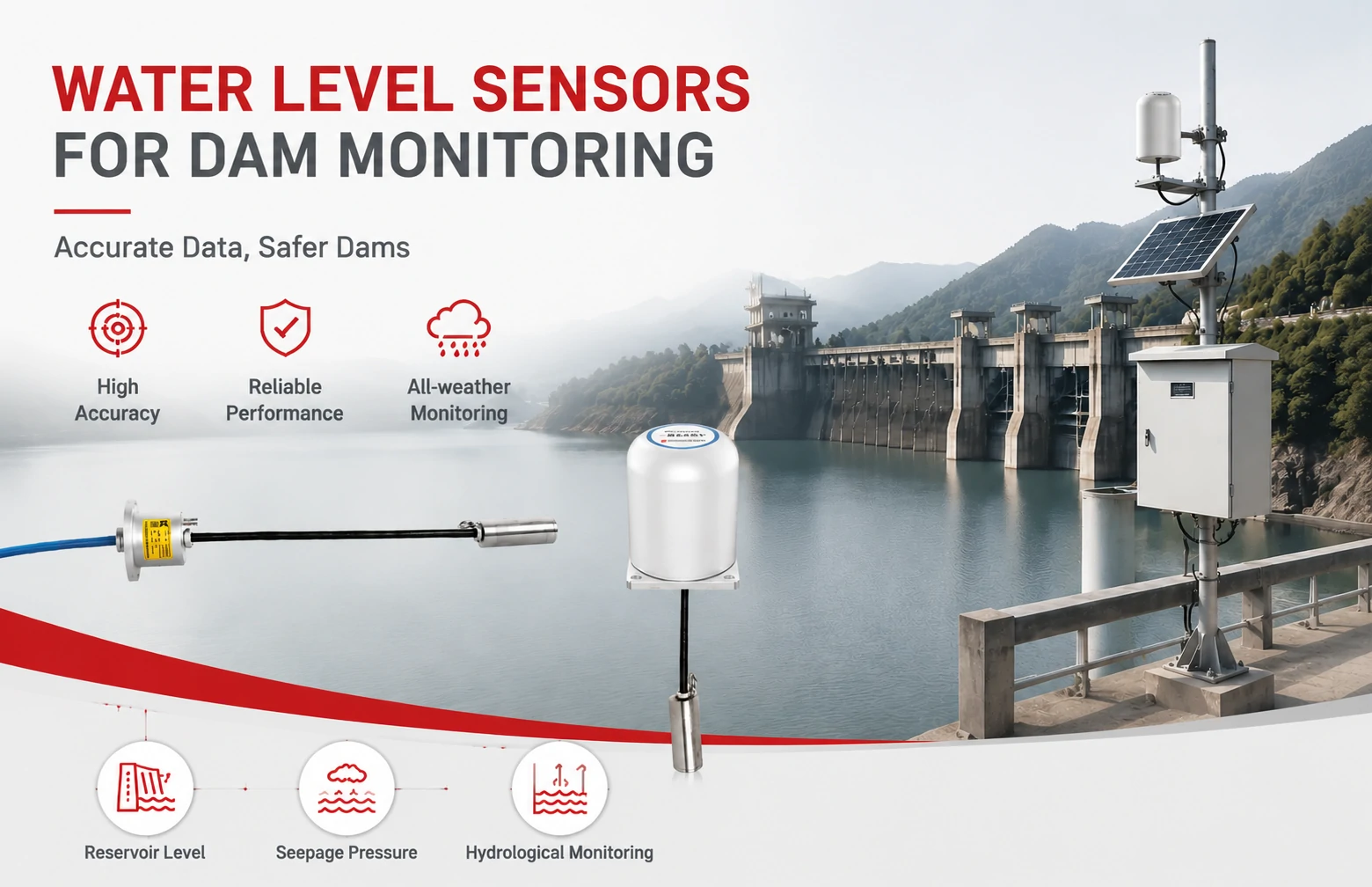
Kingmach Water Level Sensors for Dam Monitoring: A Buyer's Guide to Differential Pre...
Products
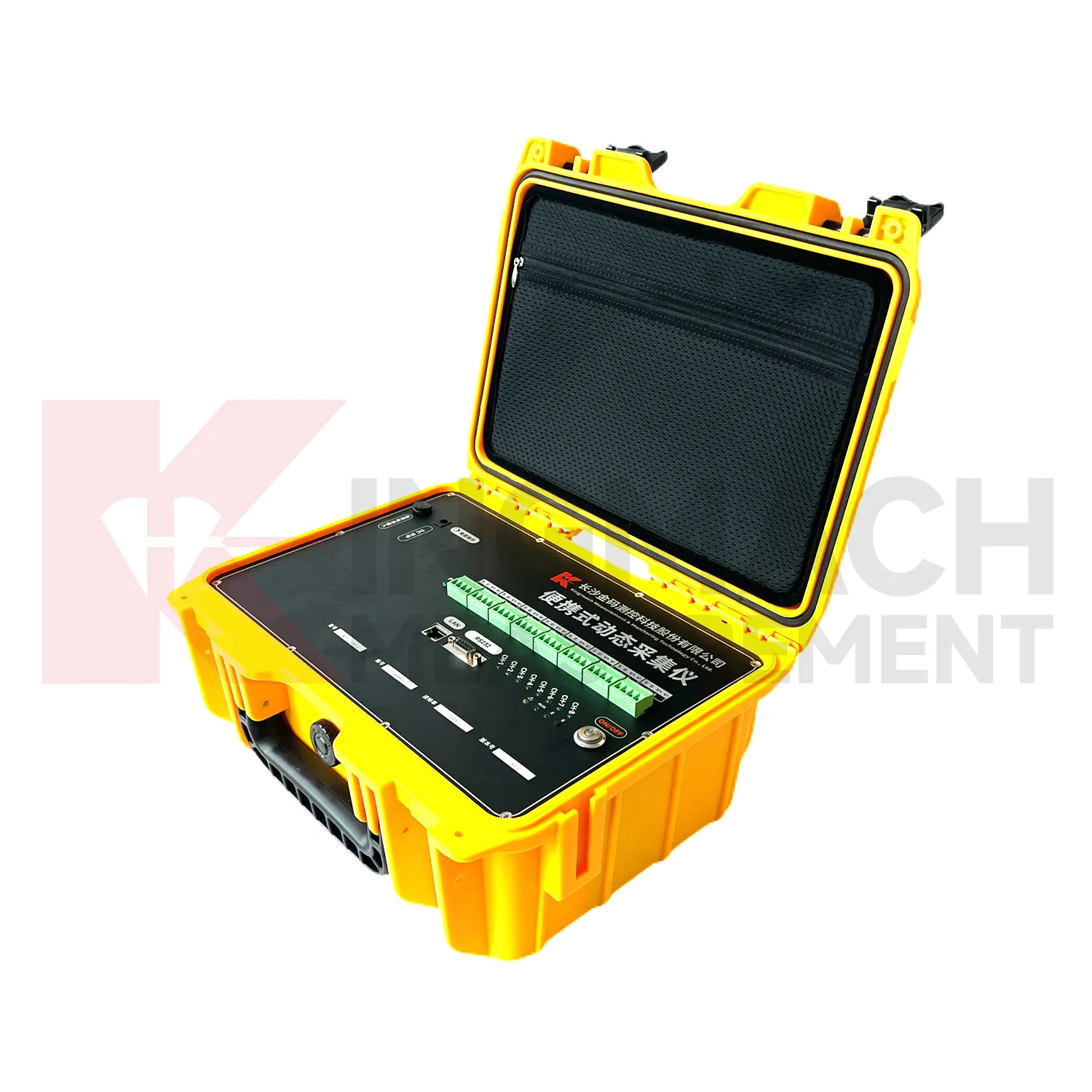
Portable Dynamic Signal Acquisition Readout JMYS-1008BX
View Details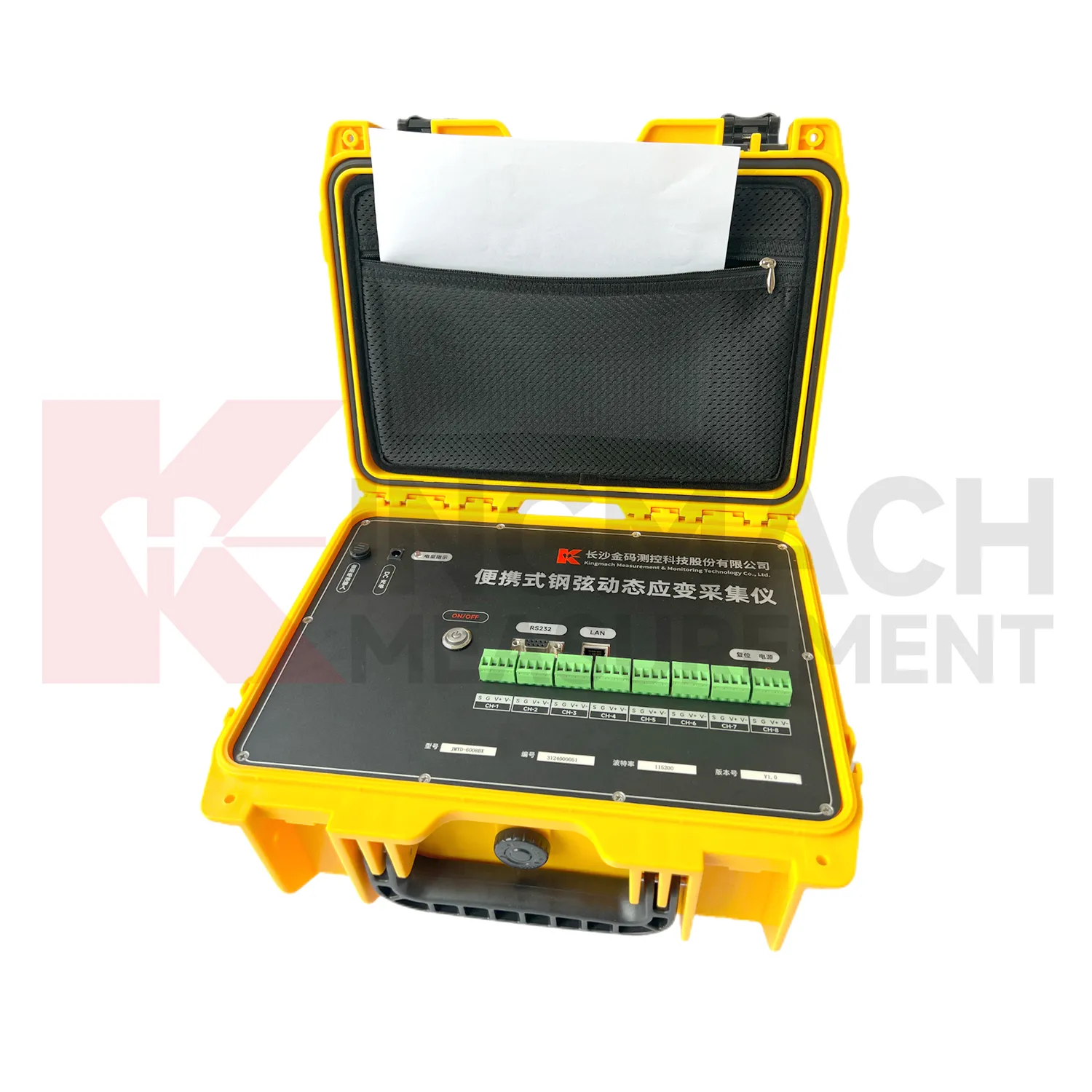
Portable Vibrating Wire Dynamic Strain Acquisition Readout JMYD-6008BX
View Details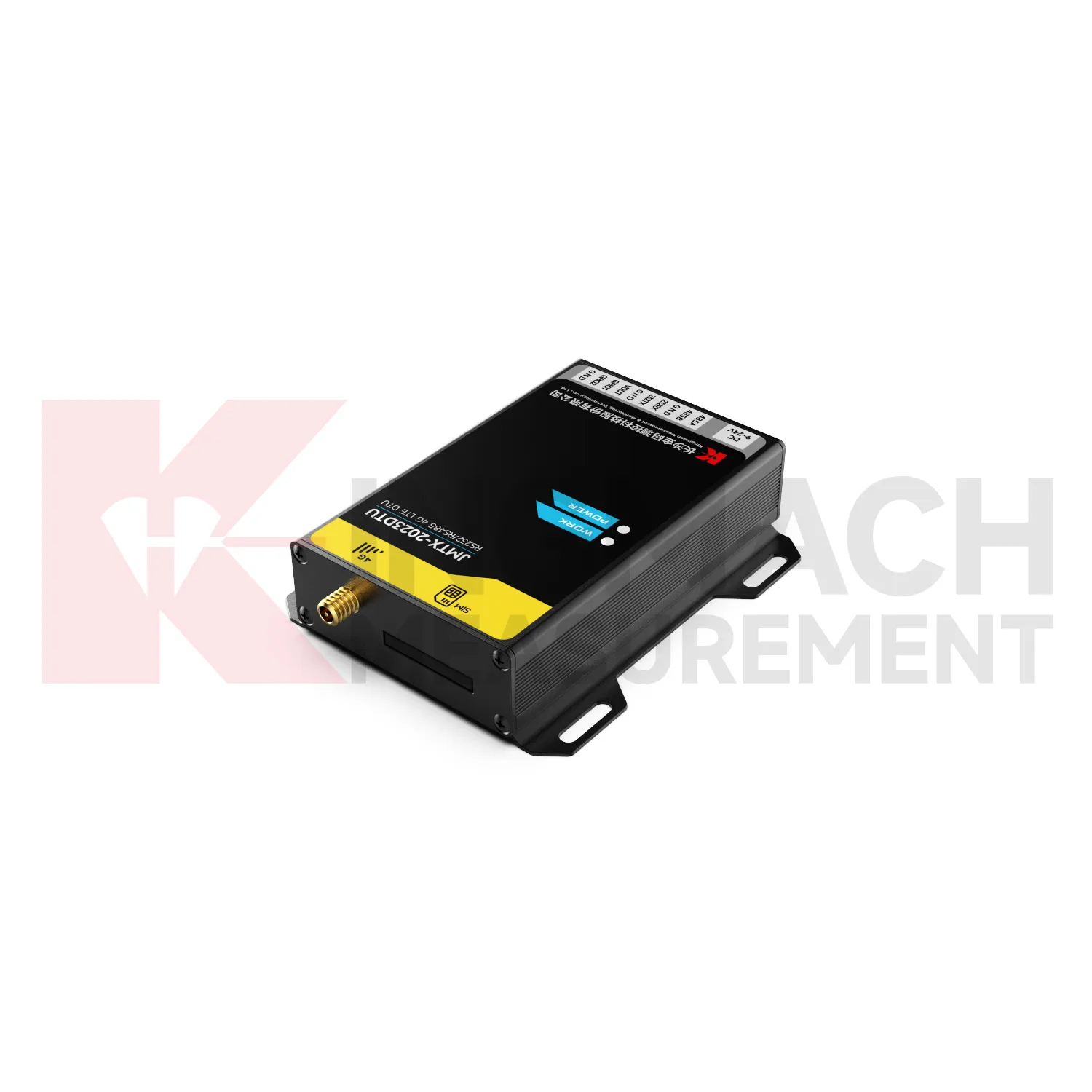
FAQ
They’re built for the common types found on civil engineering sites—vibrating wire, foil strain gauges, and spot-weldable gauges. You can specify quarter, half, or full bridge completion, and the unit handles 120Ω, 350Ω, or 1000Ω gauges without fuss. If you’re mixing sensor types on one project, we can set up different channels with their own excitation and gain settings.
That’s mostly about two things: a high enough input impedance and proper Kelvin sensing for lead wire resistance. Our readouts use a 24-bit ADC with differential inputs and optional 6-wire bridge connections, which largely cancels out cable resistance errors. In practice, we’ve seen stable readings over 300-meter shielded runs in dam monitoring projects, though we still recommend doing a site calibration if you can.
Yes. The base unit has RS-485 and SDI-12 ports, and we can add a 4G/LTE, LoRa, or Ethernet module depending on your site’s infrastructure. The modem can push data on a schedule or wake up on an alarm trigger—handy for slope monitoring where you don’t want to send hourly reports but need an immediate alert if strain jumps past a preset threshold.
Minor changes like adjusting sampling rate, adding a protective enclosure, or pre-wiring connectors usually add about 7–10 working days. Major re-engineering—say, integrating a specific radio or meeting a niche explosion-proof standard—takes longer and we’ll quote it case by case. We’re a specialist manufacturer, not a huge catalogue house, so the lead time is often shorter than you’d guess because we’re not waiting on a flag to flip in a foreign ERP system.
If you’re doing spot checks during construction or before installing a permanent system, a handheld unit is lighter and runs on batteries. For long-term monitoring—like tunnel convergence or bridge bearing displacement—you want a logger that can sit in a NEMA enclosure for years, powered by solar or mains. That one has memory, remote access, and an RTU function. Some projects start with the handheld for initial baselines and then install the permanent version later; we design the connectors and protocol to be the same so you’re not re-terminating cables.
Share your product type, target capacity, and application requirements. Our team can review the details and recommend a practical next step.
Related Keywords
If you are interested in our products or want to become our partner.
Please leave your contact information, our team will contact you as soon as possible.
Mail: [email protected]
Contact Us: +8613808434127
Address: No. 188 Tongzipo West Rd, Changsha, Hunan, China