
 EN
EN
 ar
ar bg
bg hr
hr cs
cs da
da nl
nl fi
fi fr
fr de
de el
el hi
hi it
it ko
ko no
no pl
pl pt
pt ro
ro ru
ru es
es sv
sv tl
tl iw
iw id
id lv
lv lt
lt sr
sr sk
sk sl
sl uk
uk vi
vi et
et hu
hu th
th tr
tr fa
fa ms
ms hy
hy ka
ka ur
ur bn
bn mn
mn ta
ta kk
kk uz
uz ku
ku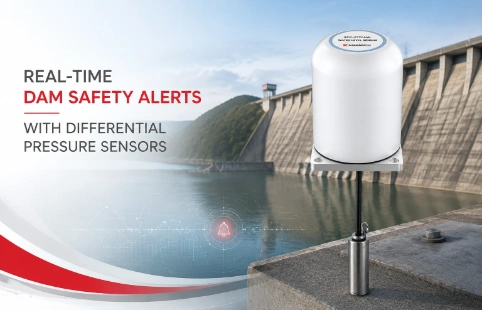
Real-Time Dam Safety Alerts with Differential Pressure Water Level Sensors
Key Takeaways An alert chain needs more than a sensor: define field in...

String Potentiometer: Precise Displacement Sensing
When a dam shifts or a slope begins to creep, catching those first millimeters matters. A string potentiometer turns that physical movement into a clear electrical signal, helping engineers respond before small drifts become serious problems. Kingmach builds these sensors for long-term field use, with design choices that reflect decades of working on monitoring sites. Instead of generic catalog specs, each unit is selected or customized around specific project needs—whether you are tracking crack opening in a tunnel lining or settlement behind a retaining wall. The stainless steel cable and sealed housing are meant to handle moisture and dust, while the output options (like 4-20 mA or voltage) make integration into existing data loggers straightforward. Because they work on a simple measuring principle, trouble-shooting is faster and there is less to go wrong in remote installations. For survey teams and instrumentation contractors, that means fewer site visits and cleaner data over the monitoring period.
Technical Detail
Kingmach offers a practical approach to string potentiometer selection for monitoring applications. These sensors use a spring-loaded reel to keep a constant tension on the cable, so the measurement always reflects the true displacement between two points. The cable itself can be extended through pulleys or guides without affecting accuracy, which gives flexibility when the sensor cannot be mounted in line with the movement. Many geotechnical monitoring programs rely on this to track convergence in tunnels, joint movement in rock slopes, or deflection in structural elements. The mechanical design minimizes backlash and friction errors—this is important when readings are taken over temperature swings and long cable runs. Output can be analog (potentiometric, voltage divider, or current loop) or digital, depending on the data acquisition setup. For projects that need a custom cable length or mounting bracket, Kingmach can adjust the build without the lead time that often comes with specialized instruments. Installation is usually straightforward: fix the body to one side of the joint, attach the cable end to the other, and connect the wiring. Regular checks involve ensuring the cable path is clear and the housing seals are intact, which fits into typical maintenance routines. Because the sensors are designed for repeatable measurements rather than highest laboratory precision, they deliver stable, meaningful trends that engineers trust for early warning and verification. When paired with Kingmach’s support network, the result is a system that matches the budget and technical demands of a mid-range geotechnical project.
News
Key Takeaways An alert chain needs more than a sensor: define field in...
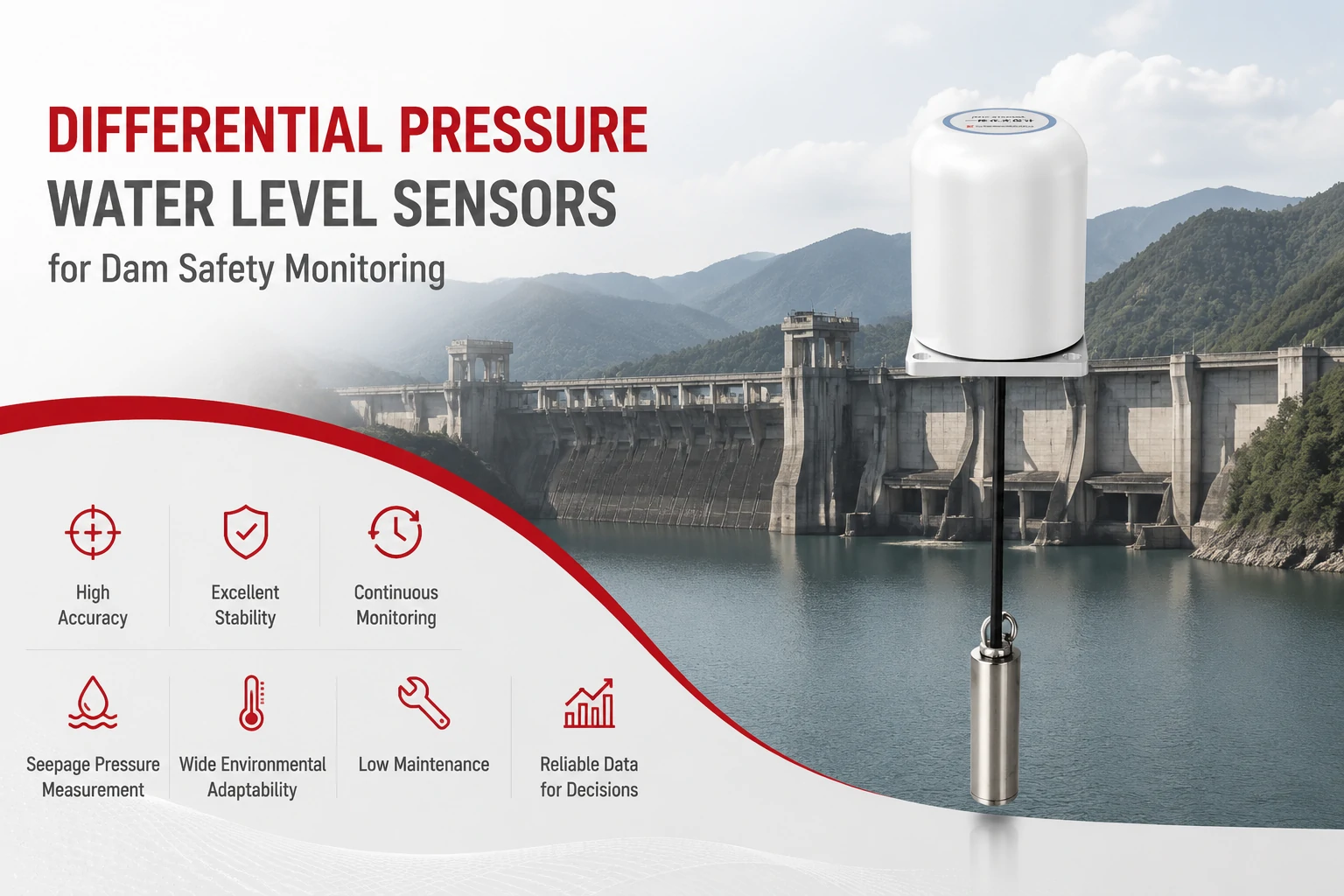
Key Takeaways The strongest fit is usually a confined, submerged, or s...
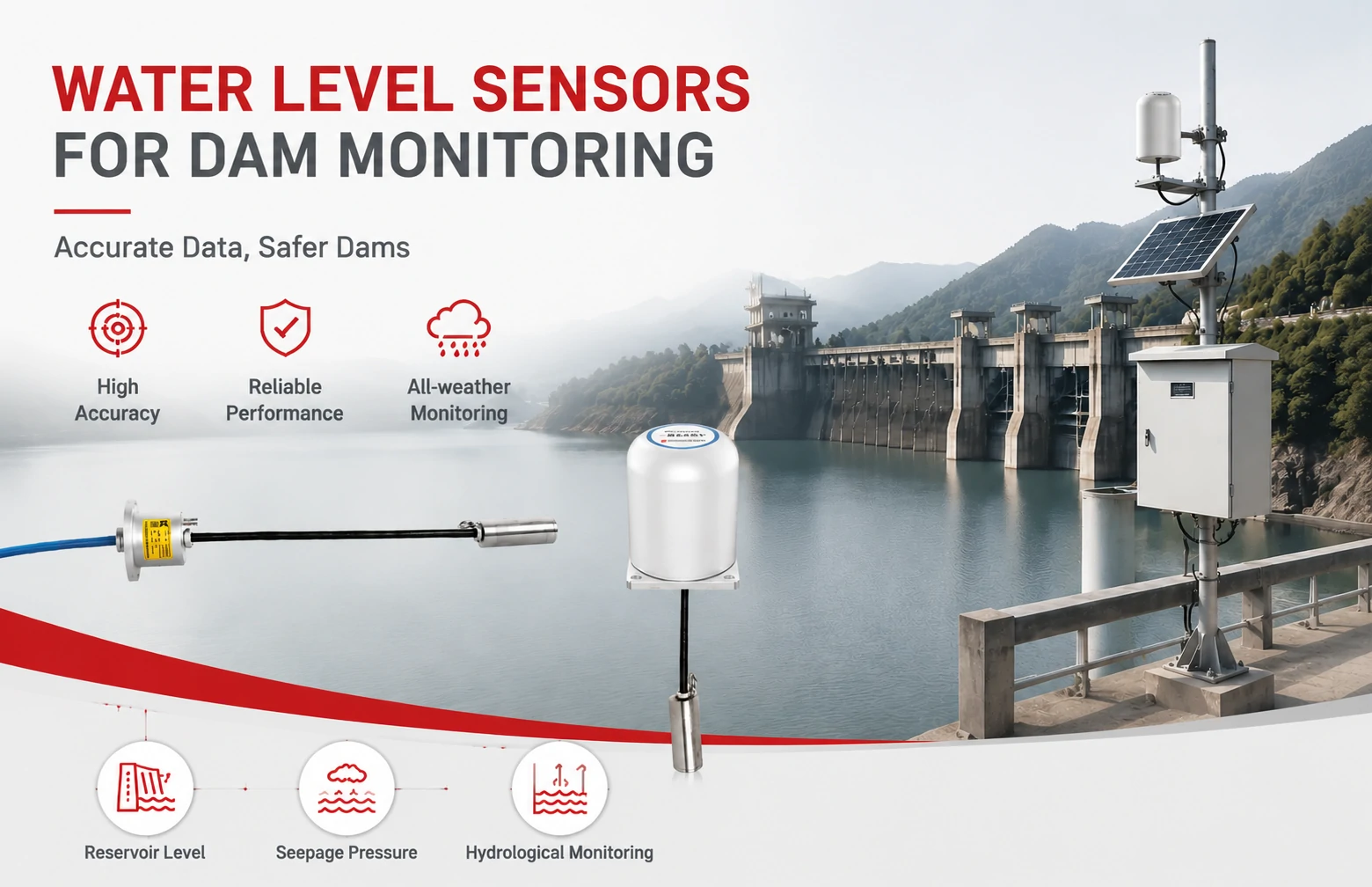
Kingmach Water Level Sensors for Dam Monitoring: A Buyer's Guide to Differential Pre...
Products
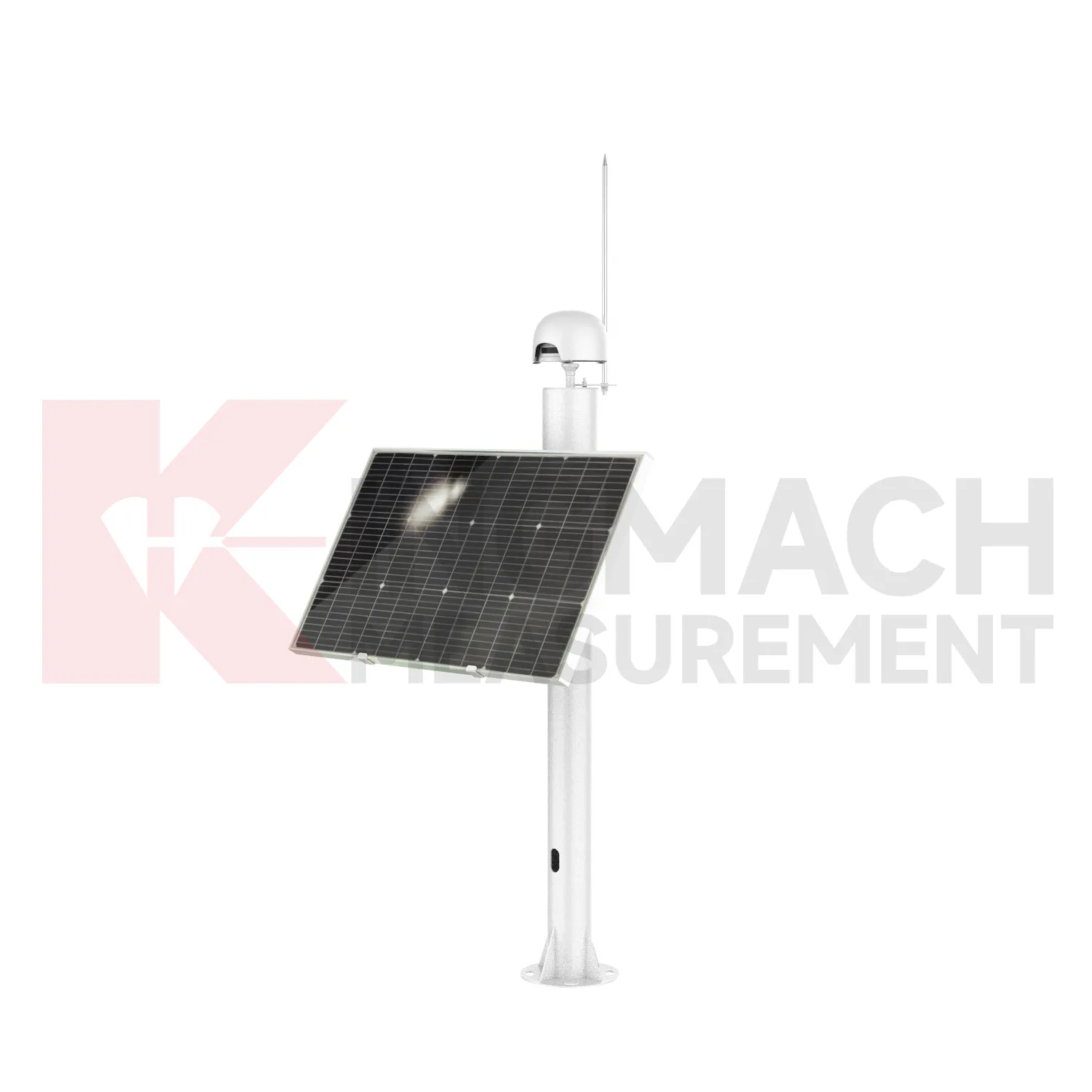
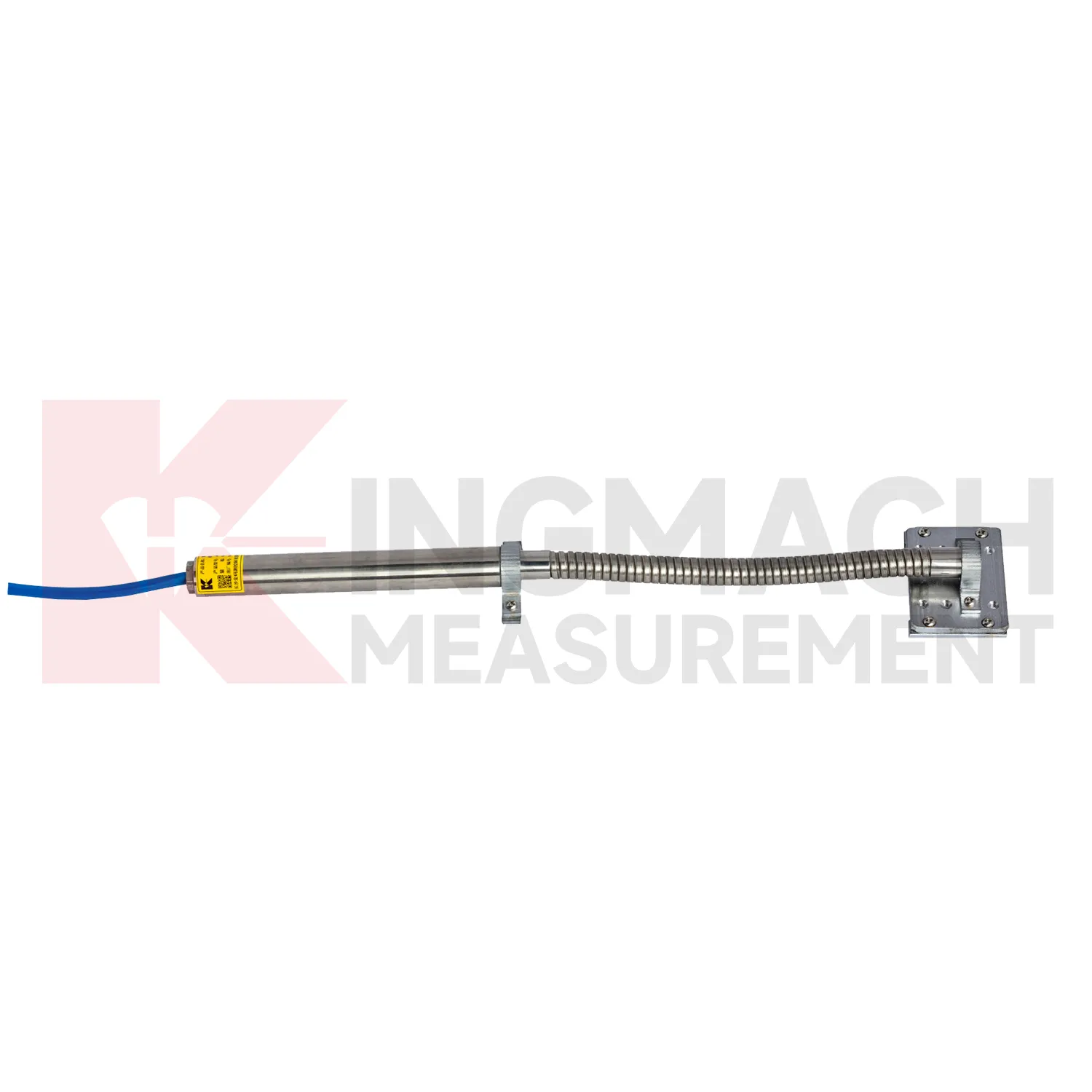
Smart Flexible Displacement Meter JMDL-24XXAT
View DetailsFAQ
Both can deliver sub-millimeter repeatability, but a string potentiometer handles much longer measuring ranges—up to several meters—without the mechanical constraints of an LVDT. For crack monitoring or large displacement, the string pot is often the simpler choice.
Yes, if you use low-friction pulleys or guides. The measurement stays accurate as long as the cable path doesn’t introduce slack or excessive drag. Kingmach can supply accessory kits for common routing scenarios.
4-20 mA current loop is typical because it resists electrical noise over long cable runs and allows the logger to detect wiring faults. Voltage outputs work fine for shorter distances. Kingmach can provide either based on your data logger specs.
For most installations, a quick visual check every 3 to 6 months is enough—look for cable nicks, dirt buildup on the reel, and intact seals. In very dusty or icy conditions, more frequent checks might be needed, but the design is meant to keep maintenance low.
Share your product type, target capacity, and application requirements. Our team can review the details and recommend a practical next step.
If you are interested in our products or want to become our partner.
Please leave your contact information, our team will contact you as soon as possible.
Mail: [email protected]
Contact Us: +8613808434127
Address: No. 188 Tongzipo West Rd, Changsha, Hunan, China