
 EN
EN
 ar
ar bg
bg hr
hr cs
cs da
da nl
nl fi
fi fr
fr de
de el
el hi
hi it
it ko
ko no
no pl
pl pt
pt ro
ro ru
ru es
es sv
sv tl
tl iw
iw id
id lv
lv lt
lt sr
sr sk
sk sl
sl uk
uk vi
vi et
et hu
hu th
th tr
tr fa
fa ms
ms hy
hy ka
ka ur
ur bn
bn mn
mn ta
ta kk
kk uz
uz ku
ku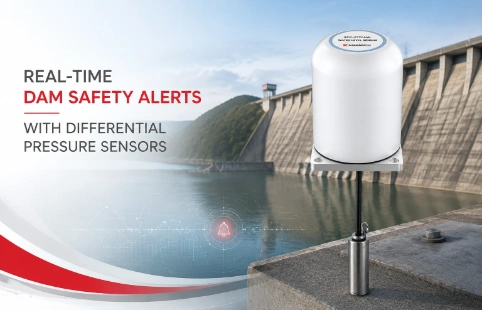
Real-Time Dam Safety Alerts with Differential Pressure Water Level Sensors
Key Takeaways An alert chain needs more than a sensor: define field in...

Earth Pressure Cells: Direct Stress Measurement in Geotechnics
When a retaining wall shifts or an embankment settles, the question is not just how much it moved, but what stresses caused it. Earth pressure cells answer that question. These sensors measure total stress in soil or at soil-structure boundaries, giving engineers data they can act on. Kingmach has supplied pressure cells for tunnels, dams, and foundations across a range of site conditions. The cells come in hydraulic, pneumatic, or vibrating wire types, each suited to different monitoring periods and environments. Rather than claiming universal perfection, we focus on matching the right cell to the specific job — whether it's a short-term construction check or a decade-long dam safety program. Custom diaphragm thickness, cable length, and even housing material are available where standard options fall short. This practical approach has made Kingmach a regular choice for geotechnical consultants who need reliable stress data without overpaying for features they don't use.
Technical Detail
Earth pressure cells from Kingmach are built around a simple principle: a flat, stiff diaphragm that deforms under soil load, converting stress into a measurable signal. The way that signal is read varies by model. Hydraulic cells transmit pressure through a fluid-filled line to a remote gauge, ideal for installation in boreholes or under embankments where electrical components could be trouble. Vibrating wire cells output a frequency, making them immune to long cable runs and electrical noise — a real advantage on sites with heavy machinery. Pneumatic cells use gas pressure to balance the diaphragm, giving a direct reading without electronics. All housings are stainless steel, with standard thicknesses often around 12 to 25 mm depending on the expected load. Custom ranges go from 100 kPa up to 20 MPa, and the active sensing area typically spans 100 to 300 mm in diameter. For interface pressure measurement, we can supply cells with anchor plates or attach them to curved surfaces. Kingmach also handles the small but important details: pigtails with robust connectors, desiccant chambers for long-term installations, and documentation that includes individual calibration certificates. Since no site is exactly like the next, we regularly modify stock designs — changing the flange width or cable exit direction — without treating it as a special project. Technical support during installation is part of the service, and we stock spares for common parts to keep downtime short.
News
Key Takeaways An alert chain needs more than a sensor: define field in...
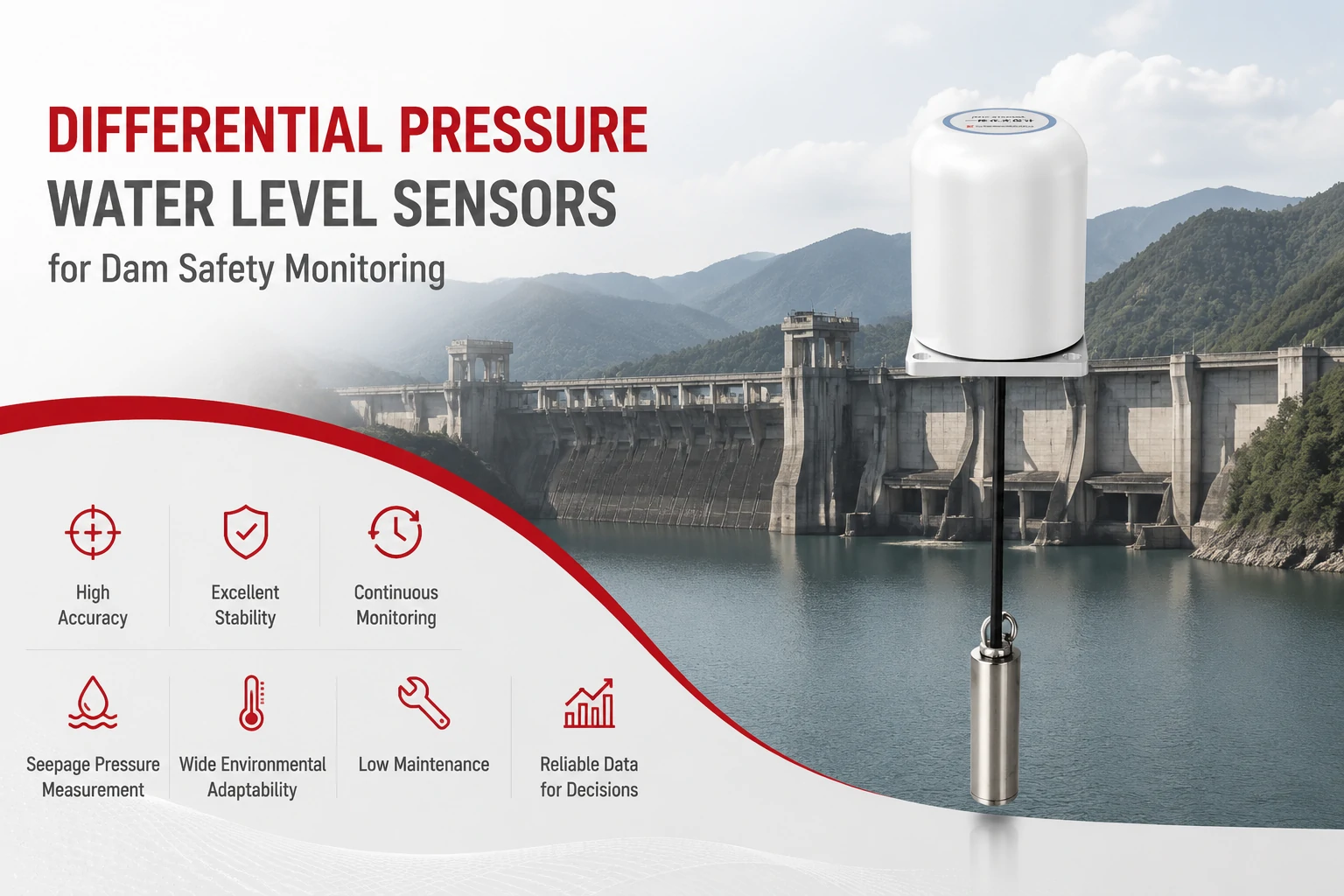
Key Takeaways The strongest fit is usually a confined, submerged, or s...
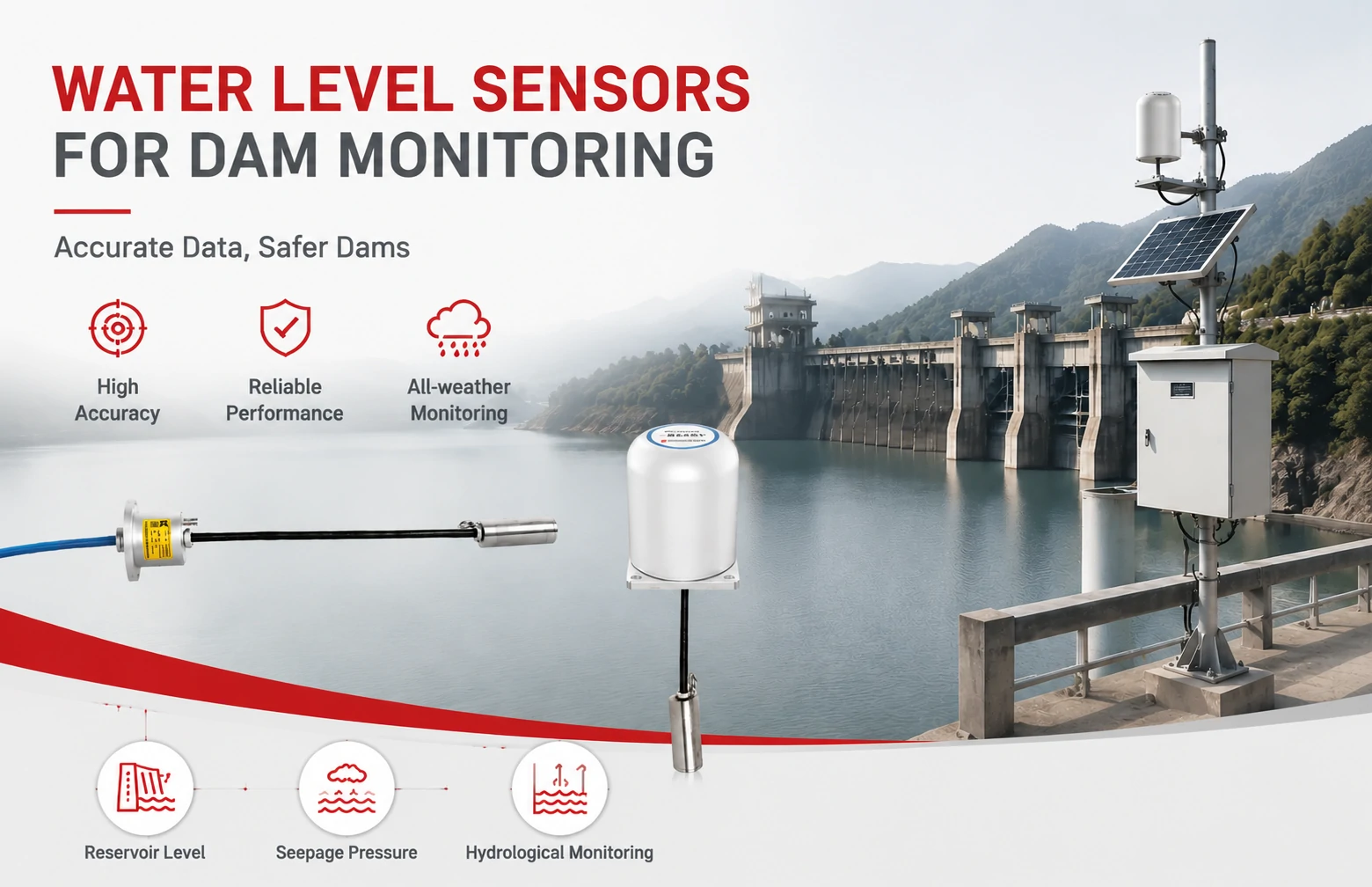
Kingmach Water Level Sensors for Dam Monitoring: A Buyer's Guide to Differential Pre...
Products
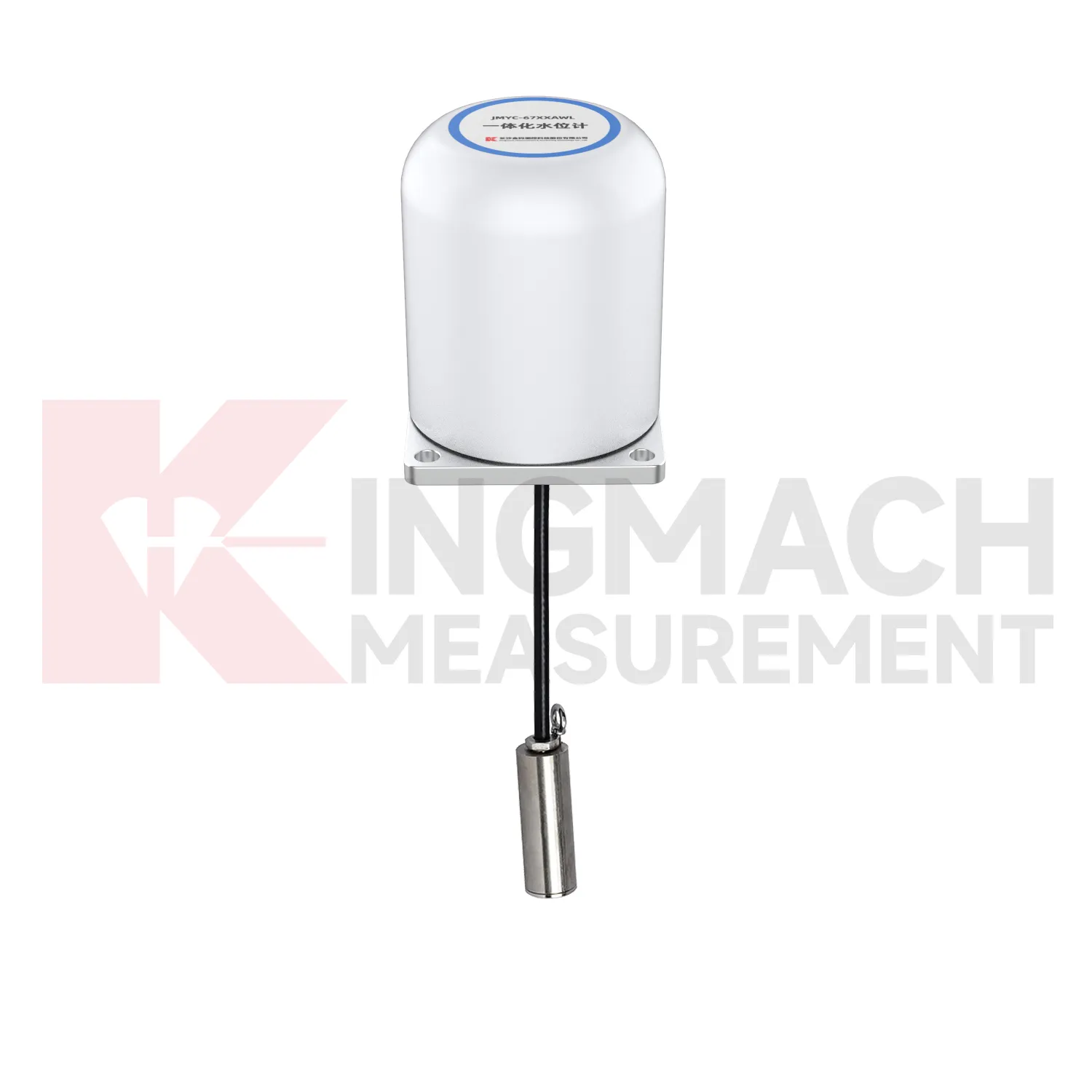
Integrated Wide-Range Differential Pressure Water Level Meter JMYC-67XXAWL
View Details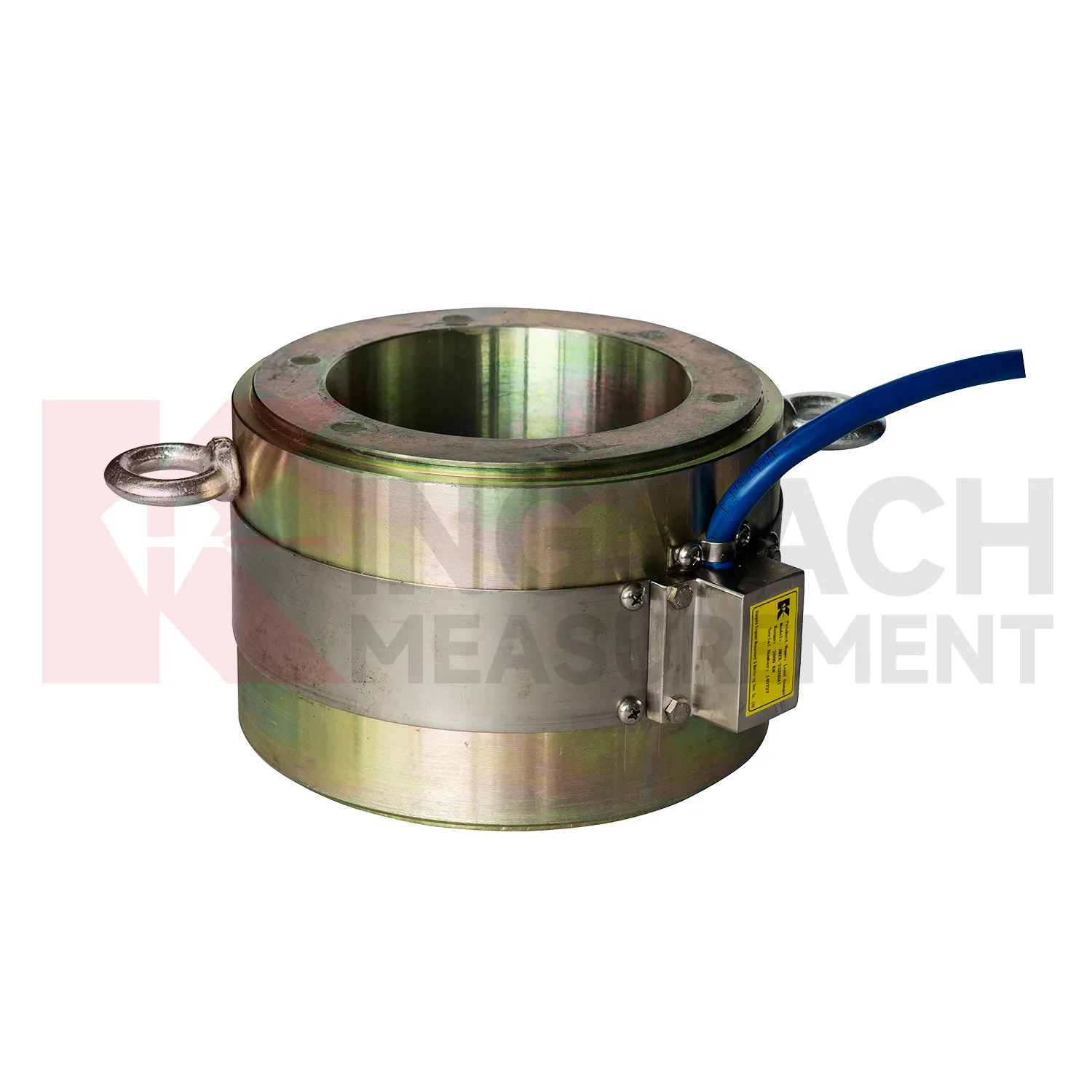
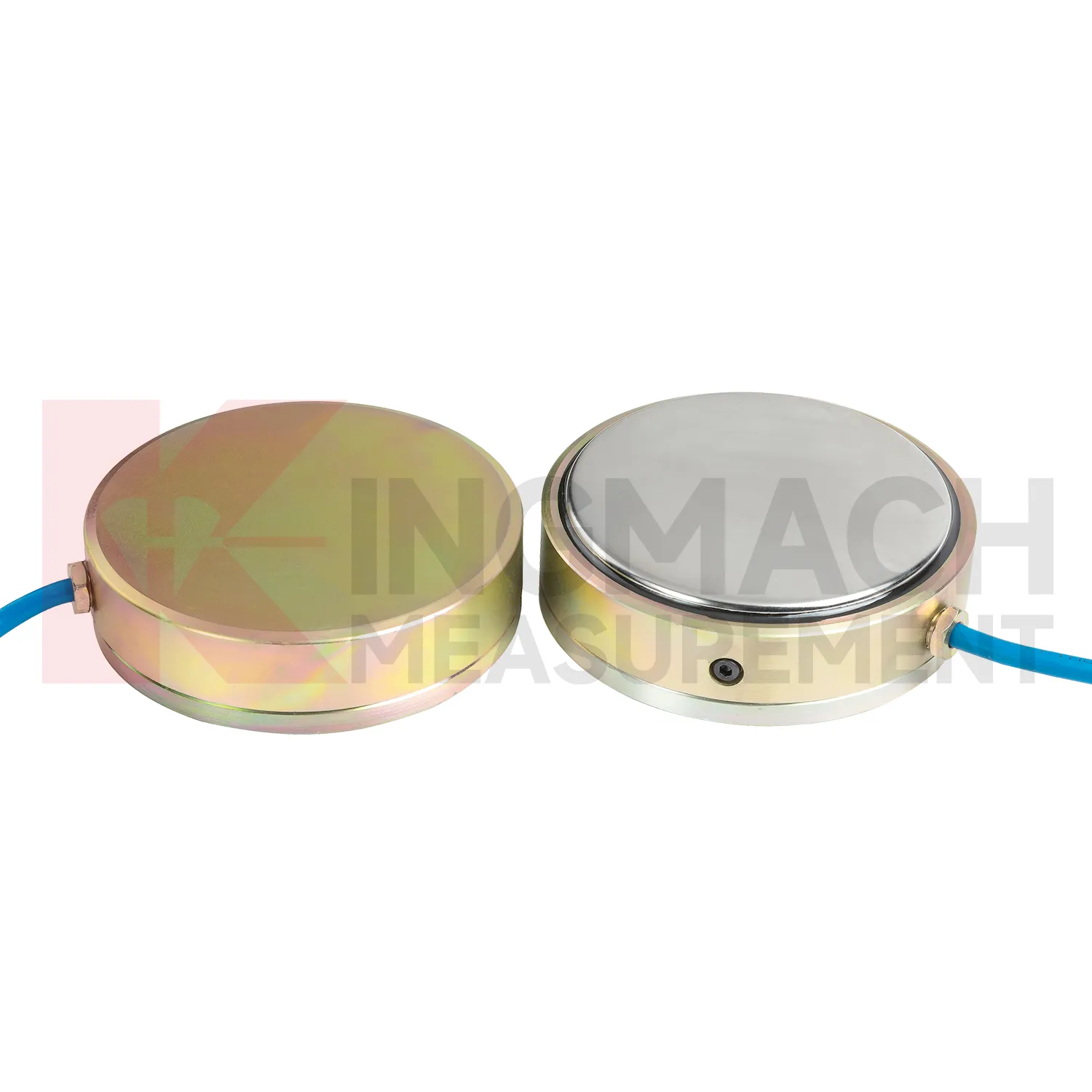
Large Earth Pressure Cell ( VW & Smart Type) JMZX-51XXAT/ ATM
View DetailsFAQ
Hydraulic cells use a fluid-filled line to a remote pressure gauge. They are simple and need no power at the sensor, but the fluid line can be sensitive to temperature changes. Vibrating wire cells output a frequency, which travels long distances without signal loss and resists electrical noise. They are better for permanent installations with automated data logging.
Start with the expected maximum overburden or structural load, then add a safety margin — often 20 to 30%. For shallow excavations, a 500 kPa cell might suffice. Under high tailings dams, you may need 10 MPa or more. Kingmach provides cells with ranges up to 20 MPa, and we can advise based on your soil report.
Yes. For concrete placements, we recommend adding a thin sand pocket or a plywood buffer between the cell and the fresh concrete to protect the diaphragm. The cell itself is robust enough, but the buffer helps avoid point loads from large aggregate. We can supply mounting accessories for different interface applications.
They produce a frequency signal, typically in the range of 1500 to 3500 Hz. You can use handheld readouts that display pressure directly after entering the calibration constants, or connect them to data loggers. Our calibration sheets give the linear equation relating frequency squared to pressure in kPa.
Share your product type, target capacity, and application requirements. Our team can review the details and recommend a practical next step.
If you are interested in our products or want to become our partner.
Please leave your contact information, our team will contact you as soon as possible.
Mail: [email protected]
Contact Us: +8613808434127
Address: No. 188 Tongzipo West Rd, Changsha, Hunan, China