
 EN
EN
 ar
ar bg
bg hr
hr cs
cs da
da nl
nl fi
fi fr
fr de
de el
el hi
hi it
it ko
ko no
no pl
pl pt
pt ro
ro ru
ru es
es sv
sv tl
tl iw
iw id
id lv
lv lt
lt sr
sr sk
sk sl
sl uk
uk vi
vi et
et hu
hu th
th tr
tr fa
fa ms
ms hy
hy ka
ka ur
ur bn
bn mn
mn ta
ta kk
kk uz
uz ku
ku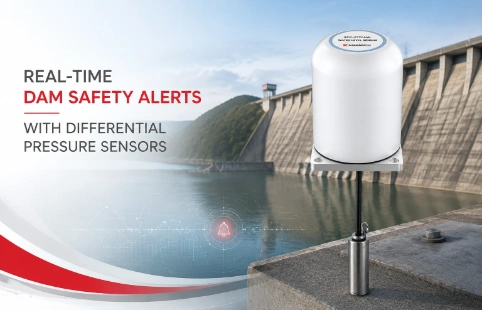
Real-Time Dam Safety Alerts with Differential Pressure Water Level Sensors
Key Takeaways An alert chain needs more than a sensor: define field in...

Transducer Load Cells That Hold Up in the Field
Load cells usually sit in controlled environments—factories, labs, test benches. But when you need to track tension in a rock anchor or verify bearing pressure under a bridge pier, the sensor has to live outdoors, often buried or submerged, for years. That is where most off-the-shelf designs fall short. Kingmach builds transducer load cells specifically for these long-haul geotechnical and structural monitoring jobs. The focus is on stability over time, not just factory accuracy. All units are sealed against moisture, wired for long cable runs, and supplied with calibration data traceable to known standards. Because projects vary, load cells can be ordered with different geometries—annular, column, or low-profile—and in capacities from a few kilograms to hundreds of tonnes. The intent is simple: supply a sensor that installs quickly, connects to most data loggers, and gives readings the engineer can trust without constant recalibration.
Technical Detail
Kingmach manufactures transducer load cells as part of a broader geotechnical instrumentation portfolio. These are not generic industrial sensors; they are adapted for real-world conditions like high humidity, temperature swings, and long cable distances. Strain gauge-based designs are the workhorse, offering a balance of cost and performance that suits most monitoring budgets. Capacities typically span from 50 kN to 5000 kN, with smaller and larger ranges available on request. Each load cell goes through a temperature compensation cycle during production to maintain accuracy between -20°C and 70°C. The bodies are machined from high-grade alloy steel or stainless steel, with an IP67 or IP68 rating depending on the model. Customers often use them with Kingmach readout units or third-party dataloggers, with signal output options including mV/V, 4-20 mA, or RS485. A key advantage is customization: for projects that need a specific diameter to fit an anchor head or a particular cable length, the factory can modify standard designs without the premium of fully bespoke builds. Common applications include tieback load testing, strut monitoring in excavations, load verification on pile caps, and long-term observation of retaining wall anchors. Kingmach supports these deployments with pre-wired connectors, detailed mounting instructions, and a calibration sheet that includes a factor for field gravity if required. Because the company maintains regional distribution centers, replacement sensors or additional units can be delivered more quickly than from some niche specialists.
News
Key Takeaways An alert chain needs more than a sensor: define field in...
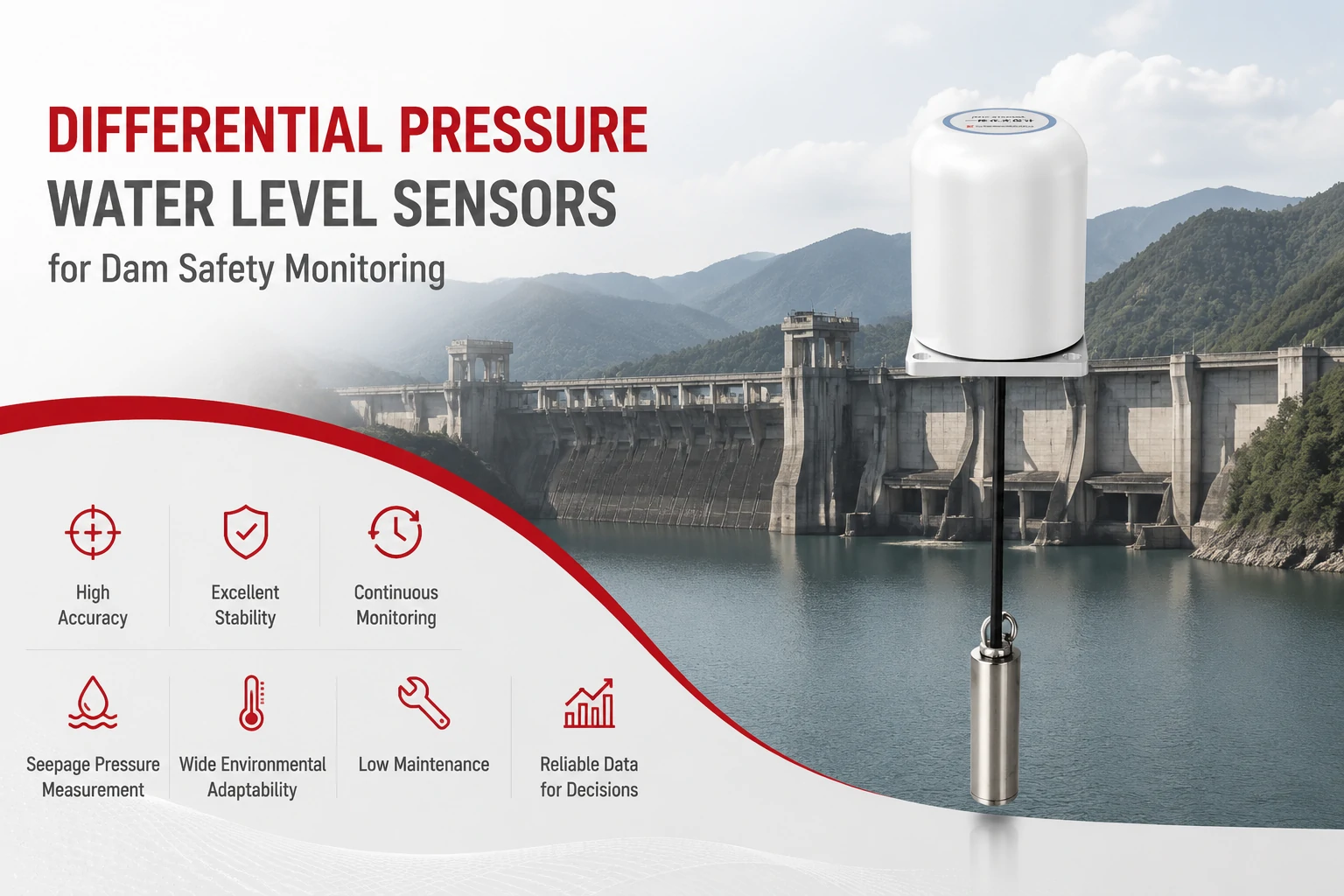
Key Takeaways The strongest fit is usually a confined, submerged, or s...
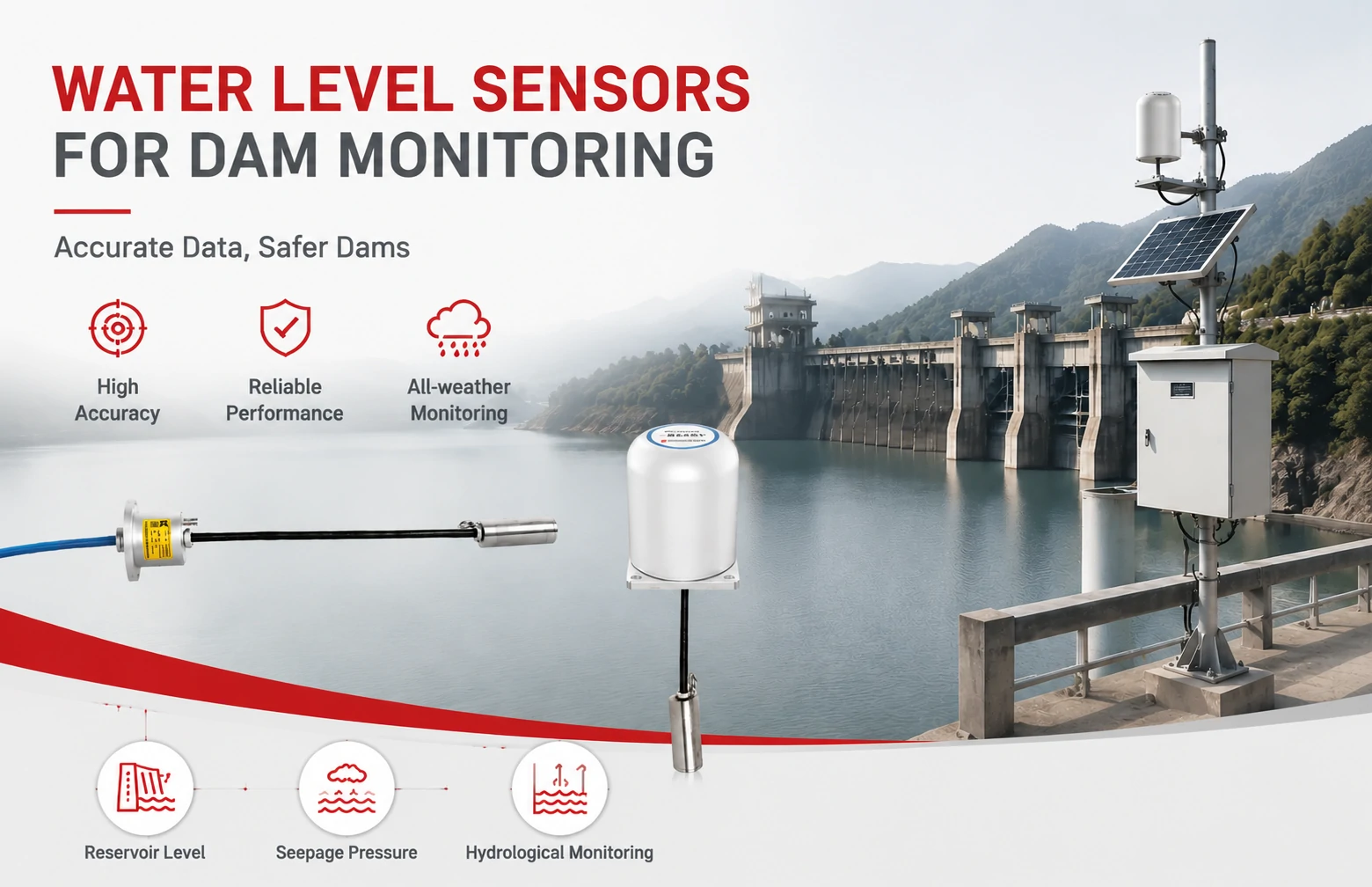
Kingmach Water Level Sensors for Dam Monitoring: A Buyer's Guide to Differential Pre...
Products
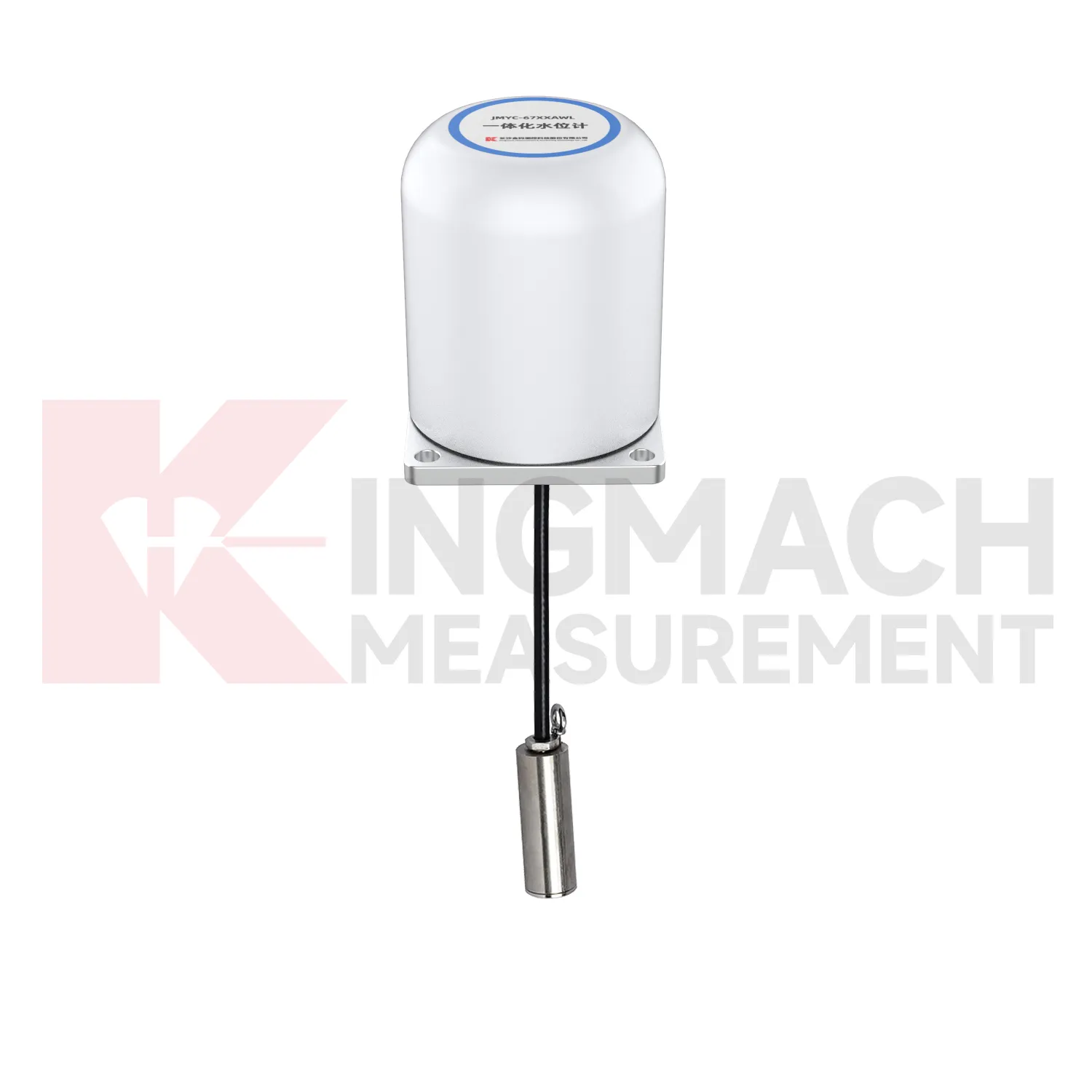
Integrated Wide-Range Differential Pressure Water Level Meter JMYC-67XXAWL
View Details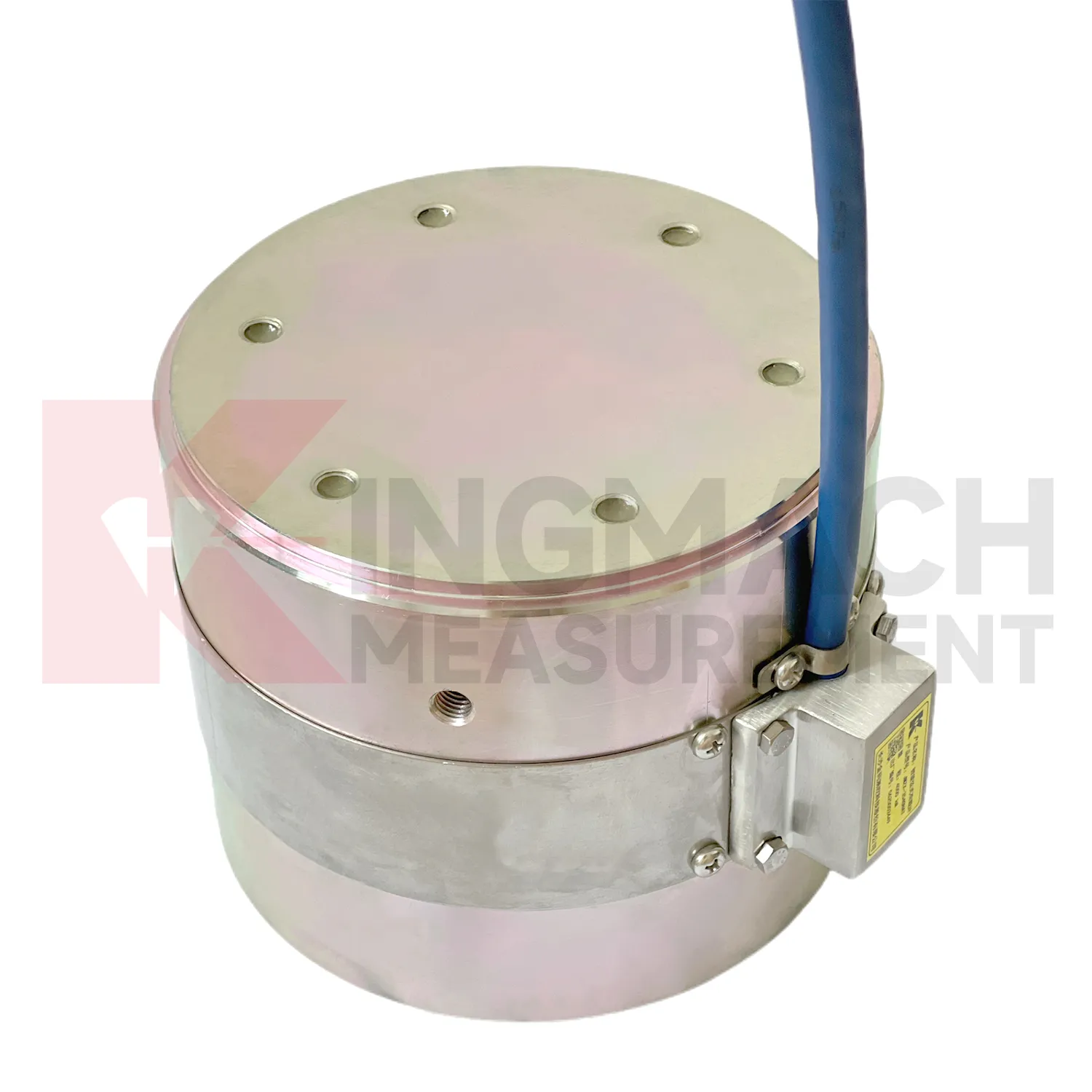
Solid load cell JMZX-34XXHAT、35XXHAT、36XXHAT
View Details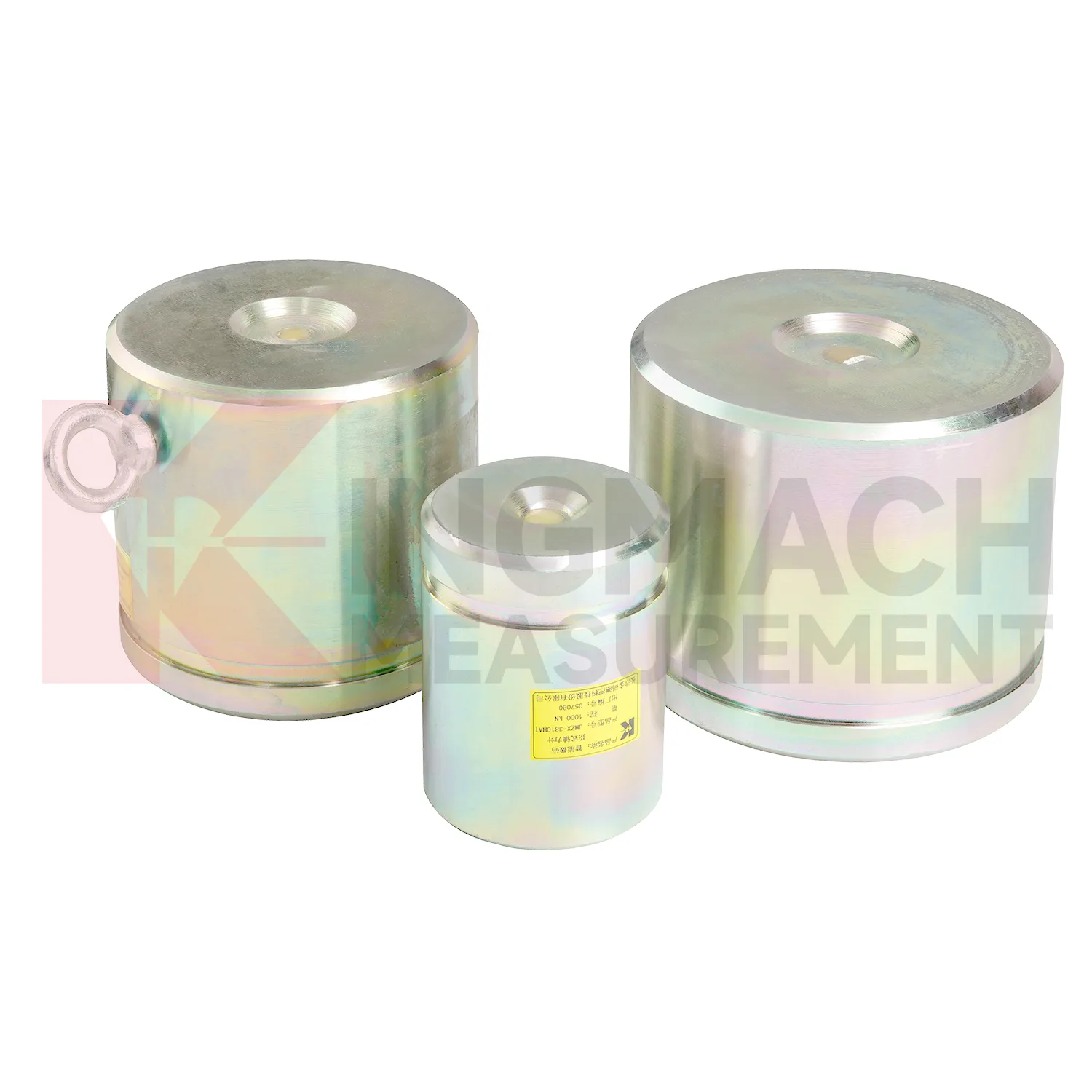
Axial Force Load Meter ( VW & Smart Type)JMZX-38XXHAT
View DetailsFAQ
Standard versions are rated for outdoor use with IP67 sealing, meaning they resist dust and temporary immersion. For permanent submersion, such as in a wet borehole, IP68-rated models with double O-ring seals and marine-grade connectors are recommended. They are also compensated for temperatures from -20°C to 70°C, which covers most geotechnical environments unless you are monitoring permafrost or a furnace.
Column cells work well when you have a flat, parallel loading surface and can place the cell directly in the load path, like under a hydraulic jack. Annular (donut-style) cells are used when a bar or tendon has to pass through the center—common in rock bolt and anchor monitoring. The choice often comes down to geometry; the performance specs are similar for the same capacity.
Yes, that is one of Kingmach's strengths. If you need, say, a 350 kN cell with a certain outer diameter, the engineering team can modify an existing design. There is usually an NRE (non-recurring engineering) charge for significant changes, but it tends to be economical for even a small batch of units.
Every load cell ships with a calibration certificate showing applied load versus output across the full range, usually in both directions if the cell is bidirectional. The data is traceable to national standards via the lab's reference load frame. If you need an accredited certificate from an external body, that can also be arranged at extra cost.
For field monitoring, annual recalibration is standard practice, though many users extend that to every two years if the cells are kept clean and dry. Kingmach can recalibrate them in-house or recommend local labs. The most common drift is in the zero reading after heavy overloading, so always check the baseline before a new project phase.
Share your product type, target capacity, and application requirements. Our team can review the details and recommend a practical next step.
If you are interested in our products or want to become our partner.
Please leave your contact information, our team will contact you as soon as possible.
Mail: [email protected]
Contact Us: +8613808434127
Address: No. 188 Tongzipo West Rd, Changsha, Hunan, China